
When you’re looking to ship your car, your goal is to find a reliable service at a fair price. You’re not just buying a service; you’re protecting a valuable asset. To do that, you need a solid answer to the question, “how much does cost to ship a car?” But a good answer is more than just a number. It’s about understanding what goes into that number so you can spot a great deal and avoid red flags. This guide will equip you with the essential knowledge you need. We’ll explore the key factors that determine your quote, explain how to compare different offers, and give you actionable tips for choosing a trustworthy company.
Key Takeaways
- Know what shapes your quote: Your final price is determined by several key factors, including the total distance, your vehicle’s size and condition, the time of year, and whether you choose open or enclosed transport.
- Plan ahead to save money: You can often find a better rate by being flexible with your pickup and delivery dates, booking your shipment at least a week or two in advance, and choosing locations near major cities.
- Vet your shipping partner thoroughly: Look beyond the price and choose a reputable company by verifying their DOT number, reading recent customer reviews on third-party sites, and carefully reviewing the contract before you sign.
How Much Does It Cost to Ship a Car?
Figuring out the cost to ship your car can feel like a puzzle, but the biggest piece is almost always distance. While many factors influence your final quote, the mileage between your pickup and drop-off locations sets the foundation for the price. Think of it this way: a shorter trip means less fuel, time, and labor for the carrier, which translates to a lower cost for you. As the distance increases, so do the resources required to get your car safely to its destination. Let’s break down what you can generally expect to pay based on how far your vehicle needs to go.
Shipping Rates for Short Distances
If you’re moving your car a relatively short distance, like to a neighboring state or a city a few hundred miles away, you’re looking at the most affordable pricing tier. Generally, a trip under 500 miles will cost between $400 and $700. This is a common scenario for regional moves or for students heading off to a nearby college. According to recent vehicle transport data, these shorter hauls are straightforward and have a quicker turnaround time, which helps keep the price down. It’s an efficient way to move your car without putting miles on it yourself.
Shipping Rates for Long Distances
When your move takes you further, the cost naturally goes up to account for the extended travel time and fuel. For distances over 1,000 miles, you can typically expect to pay between $700 and $1,200. If your journey stretches between 1,200 and 2,000 miles, the price range often lands between $900 and $1,500. These longer trips require more complex logistics and planning from the transport company. The cost to ship a car in these situations reflects the resources needed to ensure a secure, multi-day journey for your vehicle.
What to Expect for Cross-Country Costs
Moving a car from one coast to the other is the most significant investment, typically involving a trip of 2,000 miles or more. For a cross-country shipment, you should budget between $1,200 and $2,500. Most people find the final price lands somewhere in the middle, often between $1,400 and $2,000, depending on the specific route and carrier. Real-world examples from people who have shipped a car across the country confirm these figures. While it’s a bigger expense, it saves you from a multi-day drive, wear and tear on your vehicle, and the costs of gas, food, and lodging along the way.
What Factors Change Your Car Shipping Quote?
Getting a car shipping quote is a personalized process. The price you see isn’t a flat rate; it’s a combination of several key details about your specific shipment. Understanding these factors helps you see exactly what goes into your quote and how you might be able to adjust for a better price. It all comes down to the specifics of your car, your route, and your timing. Let’s break down the main elements that influence the cost.
Your Route and Distance
This is the most straightforward factor. The farther your car needs to go, the higher the total cost will be. However, the price you pay per mile usually goes down on longer trips, a bit like buying in bulk. A short trip of a few hundred miles might cost around $1.50 per mile, while a cross-country journey will have a much lower per-mile rate. The total distance between your pickup and delivery points is the foundation of your shipping cost calculation. It’s the starting point every carrier uses to build your quote.
Your Vehicle’s Size and Weight
Not all vehicles are created equal, and their size plays a big role in shipping costs. A larger vehicle, like an SUV or a pickup truck, takes up more space and weight on a carrier than a standard sedan. This means fewer cars can fit on a single transport truck, so the price for each spot goes up. When you request a quote, the carrier needs to know your vehicle’s make and model to accurately assess its dimensions. The size of your car is a critical piece of the pricing puzzle, so be sure to provide accurate information.
The Condition of Your Car
Is your car running? This is a question you’ll always be asked when getting a quote. An operable vehicle that can be driven onto the transport truck is the standard and most affordable option. If your car is inoperable, meaning it doesn’t start or run, it will cost more to ship. This is because it requires special equipment, like a winch, to be loaded and unloaded from the carrier. The extra labor and equipment mean a higher price, so expect the cost for a non-running vehicle to be a bit steeper.
The Time of Year
Just like with travel, car shipping has peak and off-peak seasons. The time of year you choose to ship your vehicle can definitely affect the price. Summer is a popular time for moving, so demand for car transport is high, which can drive up rates. The same goes for January, when many “snowbirds” head to warmer climates. On the other hand, months like February tend to be slower, which can sometimes mean lower prices. If you have flexibility in your schedule, you might be able to save some money by avoiding these peak shipping times.
Your Pickup and Delivery Locations
Where your car is coming from and where it’s going also matters. Shipping between major cities is typically less expensive than shipping to or from a rural area. That’s because carriers have established routes that run through metropolitan hubs, and there are more drivers available. If your location is remote or far from a major highway, the driver has to make a special trip, which adds time and fuel costs to the journey. Choosing a pickup or delivery spot in a more populated area can sometimes be a more cost-effective option.
Open vs. Enclosed Transport: What’s the Cost Difference?
One of the biggest decisions you’ll make when shipping your car is choosing between open and enclosed transport. Think of it as picking between flying coach or first class. Both will get you to your destination safely, but the experience and level of protection differ, and so does the price. Open transport is the standard, most economical way to ship a vehicle, while enclosed transport offers a premium, sheltered environment for your car.
Your choice will depend on your vehicle type, budget, and personal preference. A daily driver might be perfectly fine on an open carrier, but a classic car or luxury vehicle could benefit from the extra security of an enclosed trailer. Let’s break down the costs and benefits of each so you can find the right fit for your needs. Understanding the price difference is the first step in making a confident decision for your vehicle’s journey.
The Cost of an Open Carrier
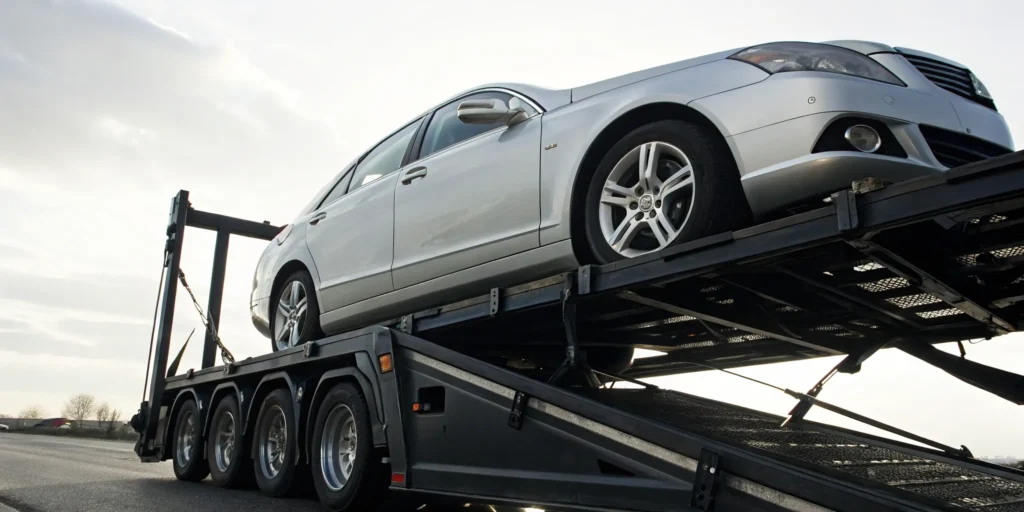
Open carrier transport is the most common and affordable method for shipping a car. These are the double-decker trucks you often see on the highway carrying multiple vehicles. Because they can transport more cars at once, the cost per vehicle is lower. This makes it a fantastic option for standard cars, trucks, and SUVs. While your vehicle is exposed to the elements like it would be during a normal drive, it’s a secure and highly efficient way to ship.
On average, you can expect to pay around $630 for trips under 500 miles and about $1,135 for distances between 500 and 2,500 miles. For cross-country trips over 2,500 miles, the cost is typically around $1,350. If you’re looking for a balance of reliability and affordability, open transport is almost always the most cost-effective choice.
The Cost of an Enclosed Carrier
If you own a classic, luxury, or high-value vehicle, enclosed transport offers maximum protection. Your car is shipped inside a covered trailer, shielding it completely from weather, road debris, and dust. This service comes at a premium because enclosed trailers carry fewer vehicles, and the demand for this specialized service is high. It’s the white-glove option for car shipping, providing peace of mind that your investment is safe from start to finish.
The added protection is reflected in the price. An enclosed shipment under 500 miles typically costs around $930. For trips between 500 and 2,500 miles, the average is about $1,550, and for journeys over 2,500 miles, you can expect to pay around $1,830. While it costs more, the security that enclosed shipping provides is often worth it for irreplaceable vehicles.
How to Choose the Right Option for You
Deciding between open and enclosed transport comes down to two key factors: your vehicle’s value and your budget. If you’re shipping a standard vehicle that you drive every day, open transport is a practical and economical solution that gets the job done safely. Millions of cars are shipped this way every year without any issues.
However, if your car is a classic, an exotic, a custom build, or holds significant sentimental value, the extra cost for an enclosed carrier is a worthwhile investment. It minimizes risk and ensures your car arrives in the exact condition it left. The best way to make a final decision is to weigh the level of protection you want against your budget. You can always get a quote for both options to see the precise price difference for your specific route and vehicle.
How Does Distance Affect Your Shipping Rate?
The distance your car needs to travel is one of the biggest factors that determines your final shipping cost. While it’s true that a longer trip will have a higher total price than a shorter one, the math isn’t always straightforward. The price you pay per mile often changes depending on the length of the journey and the specific route your vehicle will take. Understanding how these elements work together will help you get a clearer picture of what to expect from your shipping quote and why the prices can vary so much from one trip to the next. Let’s look at how distance and location influence your rate.
Breaking Down the Cost Per Mile
When you look at car shipping quotes, you’ll see that the total cost is influenced by a per-mile rate. Generally, you can expect to pay around $1 per mile for a medium-distance trip. However, this rate fluctuates based on the total mileage. For shorter trips under 500 miles, the average cost is typically between $300 and $700. If you’re planning a cross-country move of over 2,000 miles, the average cost usually falls between $1,200 and $2,500. These figures are a great starting point for budgeting, but remember that the final cost to ship a car will also depend on other factors like your vehicle’s size and the type of transport you choose.
Why Longer Trips Cost Less Per Mile
It might seem strange, but the longer the shipping distance, the lower your cost per mile will be. Shipping a car 2,000 miles won’t cost four times as much as shipping it 500 miles. This is because a significant portion of the carrier’s costs are fixed, like loading and unloading the vehicle, administrative work, and inspections. These initial expenses are the same whether your car is traveling 300 or 3,000 miles. Once your car is on the truck, the primary costs are fuel and the driver’s time. By spreading those initial fixed costs over a greater distance, the carrier can offer a lower per-mile rate for long-haul trips, making them more economical than you might expect.
The Advantage of Popular Routes
Your car’s pickup and delivery locations play a huge role in your shipping rate. If you’re shipping between major metropolitan areas or along a popular interstate highway, your cost will likely be lower. That’s because these routes have a high volume of traffic, meaning more trucks are available and looking for vehicles to transport. This increased carrier availability creates competition, which helps keep prices stable and affordable. On the other hand, if your car needs to be picked up or delivered in a remote or rural area, the cost may be higher. The driver might have to travel far off their main route, which requires more time and fuel, and there are fewer trucks servicing those locations.
What Are Your Car Shipping Options?
When you’re planning to ship your car, the choices you make play a big role in the final cost and overall experience. It’s not just about getting from point A to point B; it’s about finding the right balance of convenience, speed, and budget for your specific needs. Understanding your options ahead of time helps you get an accurate quote and feel confident in your decision. Let’s look at the key services you’ll encounter.
Terminal-to-Terminal vs. Door-to-Door Delivery
Your first major choice is how your car will be picked up and dropped off. With terminal-to-terminal shipping, you bring your car to a designated storage facility and pick it up from another at the destination. While this can be a budget-friendly option, the most convenient method is door-to-door delivery. With this service, the truck driver comes directly to your home, office, or another address you choose for both pickup and delivery. It saves you the time and hassle of coordinating travel to and from a terminal, making your move much smoother.
Standard vs. Expedited Service
How quickly do you need your car to arrive? Your answer will determine if standard or expedited service is right for you. Standard shipping is the most common and affordable choice, with your vehicle picked up within a flexible window. If you’re on a tight deadline, expedited service is the way to go. For an additional fee, you can arrange for a much faster pickup, often within 24 to 48 hours. This option is perfect for last-minute moves or ensuring a vehicle arrives for a specific event. Discuss your timeline with your shipping coordinator to find the best transport service for your schedule.
Accommodations for Different Vehicle Types
Not all vehicles are the same, and your car’s specific traits will influence your shipping plan. Standard sedans are the baseline, but a larger vehicle like an SUV or truck will cost more since it takes up more space and weight. The condition of your car also matters. If your vehicle is inoperable, it will require a winch and special handling, which adds to the cost. For classic, exotic, or modified cars, you may want to consider enclosed transport for added protection from road debris, ensuring your investment arrives safely.
How Can You Save Money on Car Shipping?
Everyone loves a good deal, and shipping your car is no exception. While the final price depends on several factors, you have more control over the cost than you might think. A little bit of planning can go a long way toward keeping your shipping quote reasonable. By being strategic about your timing, location, and preparation, you can find significant savings without sacrificing service quality. Think of it as being a savvy shopper for a major service. Let’s walk through four practical steps you can take to lower the cost of shipping your vehicle.
Be Flexible with Your Dates
If you have some wiggle room in your schedule, you can find some of the best shipping rates. Just like with airfare, flexibility is your friend. When you can provide a pickup window of three to five days instead of a single, fixed date, it gives carriers the ability to optimize their routes. This allows them to group your vehicle with others in the area, making the trip more efficient for them and more affordable for you. When you get a quote, ask how different date ranges might affect the price. A little patience can translate directly into savings.
Choose Smart Pickup and Delivery Spots
Where your car begins and ends its journey plays a big role in the final cost. Shipping to or from a major city or a well-traveled metropolitan area is almost always cheaper than arranging transport to a remote, rural location. Carriers have more trucks running along popular routes, which creates more competition and drives down prices. If you live far from a major highway, consider meeting your driver in a nearby town or city. This small adjustment can sometimes save you a surprising amount of money by making it easier for the carrier to fit your vehicle into their existing schedule.
Book Your Shipment in Advance
Spontaneity is great for a weekend trip, but not so much for shipping your car. Booking your transport one to two weeks ahead of time is one of the easiest ways to secure a better rate. Last-minute requests often come with premium charges because the shipping company has to work harder to adjust its logistics and find an available spot for your vehicle. By planning ahead, you give the company time to find the most efficient and cost-effective route. This foresight not only saves you money but also ensures a smoother, less stressful experience from start to finish.
Prepare Your Vehicle Properly
Getting your car ready for its trip is about more than just handing over the keys; it’s also about avoiding unexpected fees. Before the pickup day, take some time to clean your car inside and out. This makes it easy to complete the vehicle inspection report. Be sure to take clear photos of your car from all angles to document its pre-shipping condition. Most importantly, remove all personal belongings. Carrier insurance doesn’t cover personal items, and the extra weight can sometimes lead to additional charges. You can find more details on our FAQ page about how to prepare your car.
Watch Out for These Potential Extra Fees
Getting your car shipping quote is a great first step, but it’s smart to know what other costs could appear on your final bill. These aren’t necessarily hidden fees, but rather standard industry charges for specific situations or services. Knowing about them ahead of time means you can budget accurately and avoid any last-minute financial stress. Think of it as being a savvy shopper. We’ll walk through the most common ones so you can ask the right questions and feel completely confident in your shipping choice.
Insurance Coverage
Any reputable auto transport company works with carriers who are required to have cargo insurance. However, the details of that coverage are what matter most for your peace of mind. You have every right to understand exactly how your vehicle is protected during transit. Don’t hesitate to ask your transport provider for a copy of the carrier’s insurance certificate before you book. A trustworthy company will provide it without an issue. This simple step ensures you know your vehicle is in safe, insured hands from the moment it’s picked up until it’s delivered.
Rush Service Charges
If you need your car shipped on a tight deadline, be prepared for an extra charge. Think of it like booking a last-minute plane ticket; expedited service comes at a premium because it requires the logistics team to rearrange schedules and find immediate space on a carrier. The best way to avoid this fee is to plan ahead. Giving the shipping company a flexible pickup window allows them to fit your vehicle onto the most efficient route, which saves everyone time and money. Understanding how it works can help you plan your shipment to keep costs down.
Storage and Delay Fees
Clear communication is your best tool for avoiding unexpected storage fees. These charges can pop up if your car isn’t ready on the agreed-upon pickup day or if you’re unavailable to receive it at delivery. If the driver can’t get or give you the car, they may need to keep it at a secure terminal until you’re ready, and that storage space costs money. To prevent this, stay in close contact with your shipping coordinator. Confirm your availability for both pickup and delivery, and if your plans change, let them know immediately.
Fuel Surcharges and Cancellation Policies
Two final items to look for in your agreement are fuel surcharges and the cancellation policy. Because fuel prices fluctuate, some companies add a surcharge to cover rising costs, especially during busy seasons. It’s always a good idea to ask if your quote is all-inclusive or if fuel adjustments could be added later. At the same time, make sure you understand the cancellation terms before you commit. Life is unpredictable, and knowing the policy upfront will save you a headache and potential fees if you need to change your plans.
How to Get an Accurate Car Shipping Quote
Getting a car shipping quote is your first step, and you want to make sure it’s as accurate as possible to avoid any surprises down the road. A quote isn’t just a number; it’s the foundation of your shipping plan. It helps you budget correctly and choose a company you can trust. To get a clear picture of your total costs, you need to know what information to provide and what questions to ask. A little preparation here goes a long way in ensuring a smooth and predictable shipping experience. By gathering the right details and comparing your options thoughtfully, you can feel confident that the price you’re quoted is the price you’ll pay.
How to Compare Quotes
When you start looking for a car shipping company, don’t settle on the first quote you receive. For the best rate, it’s smart to compare quotes from at least three different providers. This gives you a solid understanding of the current market price and helps you see what’s included with each service. Look beyond the bottom line and compare the type of transport offered, the estimated delivery window, and the insurance coverage provided. A slightly higher quote might include better terms or more comprehensive protection, making it a better value in the long run. Comparing offers helps you make an informed decision based on service, not just price.
Spot the Red Flags in Pricing
A quote that is significantly lower than all the others can be a major red flag. While everyone loves a good deal, an unusually cheap price may signal hidden fees, subpar service, or an unreliable carrier. Trustworthy companies provide transparent pricing that reflects the quality and security of their service. Another warning sign is a demand for a large deposit or full payment upfront. Most reputable transporters won’t ask for payment until your shipment is confirmed and a carrier is assigned. Be cautious of any company that pressures you to pay in full immediately after providing a quote.
Key Questions to Ask Your Carrier
Before you agree to anything, make sure you have a clear conversation with the potential shipping company. Having a few key questions prepared will help you understand exactly what you’re paying for. Ask about the type of transport they recommend (open vs. enclosed) and why. Inquire about their insurance coverage and what it protects against during transit. It’s also important to ask about the estimated delivery time and the company’s policy on delays. A reliable auto transport company will be happy to answer your questions and provide detailed information, giving you peace of mind.
Understand How Long Your Quote Is Valid
A car shipping quote isn’t usually valid forever. Prices in the transport industry can change based on factors like fuel costs, seasonal demand, and route availability. Because of this, most quotes are only good for a specific period, often somewhere between 7 to 14 days. Always ask the company how long your quoted price is guaranteed. This prevents any confusion if you decide to book after the offer has expired. Knowing the timeframe allows you to make your decision without feeling rushed while also protecting you from unexpected price increases if market conditions shift.
How to Choose the Right Car Shipping Company
Finding the right car shipping company goes beyond just comparing quotes. While price is a big piece of the puzzle, the cheapest option isn’t always the best one for your peace of mind. You’re handing over the keys to one of your most valuable assets, so you want to be sure it’s in good hands. A little bit of research upfront can make the entire process smoother and help you avoid any unwelcome surprises down the road. A great partner will offer clear communication, transparent pricing, and reliable service from start to finish.
Choosing a reputable company means looking for a business that is fully licensed, insured, and has a proven track record of happy customers. It’s about finding a team that answers your questions patiently and provides a clear, detailed contract without any confusing jargon or hidden clauses. Think of it as vetting a business partner. You want someone who is accountable, professional, and genuinely cares about getting your vehicle to its destination safely. The following steps will give you a straightforward checklist to help you pick a car shipping company you can trust.
Verify Their Insurance Coverage
Before you commit to anything, make sure you understand the company’s insurance policy. Every legitimate auto transporter must carry cargo insurance to protect your vehicle against damage during transit. Don’t hesitate to ask for proof of their coverage. A reputable company will be transparent about their policy and what it includes. Find out if there’s a deductible and what the process is for filing a claim, just in case. This isn’t just a formality; it’s your primary protection. You can learn more about the insurance requirements for carriers to know what to look for.
Check the Company’s Credentials
A professional car shipping company will be properly licensed and bonded. The most important credentials to look for are a Motor Carrier (MC) number and a U.S. Department of Transportation (DOT) number. These numbers confirm that the company is legally registered with the Federal Motor Carrier Safety Administration (FMCSA) and is authorized to transport vehicles across state lines. You can easily verify a company’s information using the FMCSA’s online database. This simple step helps you filter out illegitimate operators and ensures you’re working with a company that meets federal safety and operational standards.
Read Reviews and Customer Ratings
Customer reviews are an invaluable resource for getting a real sense of a company’s performance. Look beyond the testimonials on the company’s website and check third-party platforms like Google, Yelp, and the Better Business Bureau (BBB). Pay attention to patterns in the feedback. Are customers consistently praising the company’s communication and on-time delivery? Or are there recurring complaints about hidden fees or vehicle damage? Also, notice how the company responds to negative feedback. A professional response that aims to solve the problem is a great sign of excellent customer service.
Understand Your Contract and Terms
The shipping agreement, or bill of lading, is a legally binding contract, so it’s essential to read it carefully before you sign. This document outlines all the details of your shipment, including the total cost, payment terms, insurance coverage, and the estimated pickup and delivery dates. Make sure there are no vague terms or hidden fees. If anything is unclear, ask for clarification in writing. A trustworthy company will have a straightforward shipping process and will be happy to walk you through the contract to ensure you understand everything you’re agreeing to.
Frequently Asked Questions
How long will it take for my car to arrive? The total transit time for your vehicle depends almost entirely on the distance of the trip. For shorter, regional moves under 500 miles, you can typically expect your car to arrive within 1 to 3 days. For longer, cross-country shipments, the journey usually takes between 7 and 10 days. Your shipping coordinator will give you a more precise delivery window once your route is scheduled with a carrier.
Can I pack personal items in my car for shipping? It’s a common question, but the answer is no. Transport carriers are not licensed or insured to transport household goods, only vehicles. For safety and liability reasons, all personal belongings must be removed from your car before pickup. Leaving items in your vehicle can lead to fines and any damage or loss will not be covered by the carrier’s insurance.
What is the best way to prepare my car for pickup? A little preparation makes the pickup process go smoothly. First, wash your car so you and the driver can easily inspect its condition. Take photos from all angles for your records. Inside the car, make sure you have about a quarter tank of gas, which is enough for loading and unloading. Finally, remove all personal items and any custom accessories like spoilers or bike racks that could be damaged.
How does the payment process usually work? Most reputable shipping companies follow a standard payment structure. You typically won’t pay anything until a carrier has been officially assigned to your shipment. At that point, a small portion of the total cost is often charged as a deposit. The remaining balance is then due upon the successful delivery of your vehicle, and you can usually pay the driver directly with a certified check or cash.
Is door-to-door delivery available everywhere? Door-to-door service is the standard and most convenient option, but its availability can depend on your specific location. Large transport trucks need a lot of space to maneuver safely and may not be able to access narrow residential streets, areas with low-hanging trees, or certain apartment complexes. If a driver can’t get directly to your door, they will coordinate with you to meet at a safe and accessible nearby location, like a large parking lot.