Let’s be honest, nobody wants to overpay for shipping their car. But in the search for a good deal, it’s easy to get lost in a sea of quotes and promises. The secret to finding the cheapest way to ship a car is knowing what to look for and what questions to ask. A super-low price can sometimes be a red flag for hidden fees or poor service. This article is designed to make you a smart shopper. We’ll break down the key factors that influence your quote, show you how to spot a trustworthy carrier, and give you actionable tips for lowering your costs, so you can feel confident you’re getting the best possible value for your money.
Key Takeaways
- Plan ahead to find the best deal: You can secure a better rate by getting quotes from several companies, booking your shipment at least two weeks in advance, and being flexible with your pickup dates.
- Match your shipping service to your needs: Your final cost depends on factors like transport type (open or enclosed), shipping distance, and your vehicle’s size, so choose the options that fit your budget and protection requirements.
- Protect yourself with clear documentation: Always get a detailed contract in writing, verify the shipper’s credentials, and carefully review the Bill of Lading with the driver during inspection to avoid unexpected fees.
What Are My Car Shipping Options?
When you decide to ship your car, the first step is figuring out which type of service fits your needs and budget. You have a few key choices to make that will directly impact the cost and level of protection your vehicle receives during its journey. The main options boil down to how your car is carried (open or enclosed) and how it’s picked up and delivered (terminal-to-terminal or door-to-door). Understanding these differences will help you select the right vehicle shipping service for your situation. Let’s walk through what each option means for you and your car.
Open Transport: The Most Affordable Choice
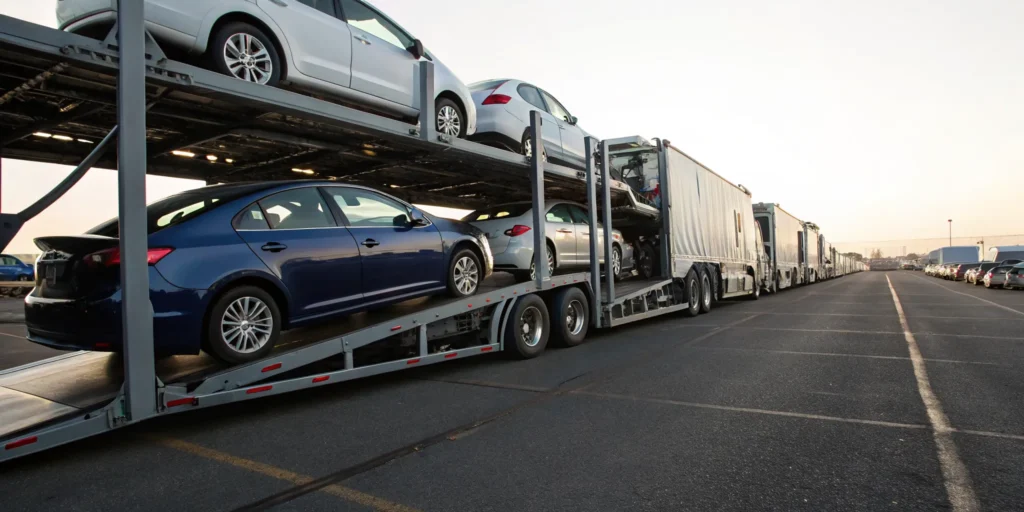
If you’re looking for the most budget-friendly way to ship your car, open transport is your answer. This is the standard method in the auto transport industry, where your vehicle is loaded onto a trailer with several other cars. Because the trailer is open, your car is exposed to the weather and road conditions, much like it would be if you were driving it yourself. This efficiency is why it’s the most common and affordable option. Choosing an open carrier can save you a significant amount compared to enclosed shipping, making it a practical choice for daily drivers and standard vehicles.
Enclosed Transport: Premium Protection for Your Vehicle
For those with a classic, luxury, or high-value car, enclosed transport offers an extra layer of security. With this service, your vehicle is shipped inside a covered trailer, completely shielded from weather, dirt, and potential road debris. This premium protection comes at a higher price, but it provides peace of mind for owners of special vehicles. The cost varies based on distance and other factors, but the investment ensures your car arrives in the exact condition it left. If your car requires special care, enclosed transport is the way to go.
Terminal-to-Terminal vs. Door-to-Door Delivery
Your next choice is how your car gets picked up and dropped off. The more economical option is terminal-to-terminal shipping. This means you bring your car to a designated storage facility or lot and pick it up from a similar terminal near your destination. Because this streamlines the process for drivers, the savings are passed on to you. The more convenient alternative is door-to-door delivery. With this service, the carrier picks up your car directly from your location and delivers it right to your new address. While it costs more, it saves you the time and effort of coordinating drop-offs and pickups. You can learn more about the shipping process to see which fits your schedule best.
What Factors Influence Car Shipping Costs?
When you start looking for car shipping quotes, you’ll notice that prices can vary quite a bit. That’s because the final cost isn’t a flat rate; it’s a customized price based on several key details about your specific shipment. Understanding these factors will help you see exactly what you’re paying for and how you can find the most budget-friendly options. Let’s break down the main elements that determine the cost of shipping your vehicle.
Shipping Distance and Route
It makes sense that the farther your car needs to go, the more the shipment will cost. While the price per mile often decreases on longer trips, the total cost will naturally be higher for a cross-country move than for a regional one. The specific route also matters. Shipping between two major cities along a popular interstate is typically more affordable than transporting a vehicle to a remote, rural location. A carrier may have to travel far off their main route to reach you, which adds time and fuel costs to the job.
Your Vehicle’s Size and Weight
The type of vehicle you’re shipping plays a major role in your quote. A standard sedan takes up less space and weighs less than a large SUV or a heavy-duty truck. Since carriers have limited space and weight capacity on their trailers, larger and heavier vehicles cost more to transport. If your car has modifications like oversized tires, a lift kit, or a large roof rack, be sure to mention them when getting a quote. These features can affect how your vehicle fits on the carrier and may lead to additional charges if not accounted for upfront.
Time of Year and Seasonal Demand
Believe it or not, the season you ship your car in can impact the price. Demand for vehicle transport services spikes during certain times of the year, particularly in the summer and around major holidays when more people are moving. This increased demand often leads to higher prices. Similarly, “snowbird season” (when people move to warmer climates for the winter) can make routes to and from states like Florida and Arizona more expensive. If your schedule is flexible, you can often find better rates by booking your shipment during off-peak seasons like late fall or early spring.
Pickup and Delivery Locations
Where your car’s journey begins and ends also influences the cost. It’s generally cheaper to ship a car between major metropolitan areas than to or from rural locations. Carriers operate more frequently along major transport corridors that connect big cities, making it easier and more cost-effective for them to fill their trucks. If your pickup or delivery address is in a remote area far from a main highway, the carrier may need to arrange for a smaller truck to handle the first or last leg of the trip, which can add to the overall cost.
How to Find the Best Car Shipping Quotes
Finding the right car shipping quote is about more than just grabbing the lowest number. The best quote represents a sweet spot between a fair price, dependable service, and a company you can trust. It’s a process of gathering a little information to make a confident decision. Think of it as a bit of detective work that pays off by ensuring your car arrives safely without any surprise costs. By being strategic, you can find a great deal with a reliable partner. The following steps will walk you through exactly how to compare your options and choose the best carrier for your move.
Get Quotes from Several Reliable Carriers
Don’t settle for the first price you see. A great first step is to get multiple quotes from three to five different companies. This approach gives you a solid understanding of the current market rate for your specific route and vehicle. When you have a few quotes side-by-side, you can easily spot any that are unusually high or suspiciously low. It’s also your chance to compare what each price includes, like insurance coverage and delivery options. This simple step empowers you to make an informed choice instead of just guessing.
Use Trusted Comparison Tools
If you want to speed up the process of gathering quotes, comparison websites can be a huge help. Platforms like uShip let you enter your shipping details once and receive bids from several different carriers. This can be an efficient way to see a wide range of prices without filling out multiple forms on different sites. While these tools are useful for getting a general idea of costs, remember to research any carrier you’re considering. A low bid is only a good deal if it comes from a reputable company with a history of excellent service.
Time Your Shipment Strategically
Just like with airfare, the time of year you ship your car can have a big impact on the price. The auto transport industry has peak seasons, typically in the summer and around major holidays, when demand is high. If your schedule is flexible, try to book your shipment during the off-season. Moving your car in the fall or winter (outside of the holidays) can often lead to lower rates because carriers have more open spots on their trucks. Planning your shipment around these slower periods is a smart way to save.
Book in Advance to Save
Procrastination can be costly when it comes to shipping your car. Booking your transport at least two weeks ahead of time can often secure you a better price. When you book early, you give the shipping company more time to coordinate their logistics and fit your vehicle onto the most efficient route. This planning helps them save on costs, and they often pass those savings on to you. Last-minute bookings may come with premium fees for the rush service, so planning ahead is one of the easiest ways to keep more money in your pocket.
How Can I Lower My Shipping Costs?
Finding an affordable car shipping service doesn’t have to feel like searching for a needle in a haystack. While factors like distance and vehicle size play a big role in your final quote, you have more control over the price than you might think. A few strategic choices can make a significant difference in your total cost. By being a little flexible and proactive, you can secure a great deal without sacrificing reliable service. Here are four practical ways to reduce your vehicle shipping expenses.
Ask About Military, Student, and Multi-Car Discounts
One of the easiest ways to save money is to simply ask for a discount. Many transport companies offer special pricing for certain groups or situations, but these deals aren’t always advertised upfront. It’s always worth asking if there are any deals for military members, students, or seniors. If you’re moving more than one vehicle, be sure to inquire about multi-car discounts, as shipping them together is often much cheaper than booking them separately. A quick question during the quote process could lead to substantial savings, so don’t hesitate to speak up and see what’s available.
Be Flexible with Your Shipping Dates
If your timeline isn’t set in stone, you can use that flexibility to your advantage. Car carriers are always trying to create the most efficient routes, and your willingness to work with their schedule can result in a lower price. Being flexible with pick-up dates allows a carrier to fit your vehicle into a load that’s already planned, saving them time and fuel. This often translates into savings for you. When you request a quote, mention that your dates are adjustable. This signals to the shipping company that you’re an easy customer to work with, which can open the door to better pricing options.
Choose Cost-Effective Pickup and Delivery
Where your car is picked up and dropped off can have a surprising impact on your shipping quote. It’s generally cheaper to pick up and drop off cars in big cities or major metropolitan areas rather than in remote or rural locations. This is because urban centers are common hubs for transport routes, with more trucks available. If you live far from a major highway, consider meeting the driver in a more accessible location, like a large parking lot in a nearby town. This small adjustment can reduce the carrier’s mileage and difficulty, leading to a lower overall cost for you.
Prepare Your Car to Avoid Extra Fees
Unexpected charges can quickly turn a great quote into a financial headache. Hidden fees can pop up for things like inoperable vehicles, oversized items left in the car, or if the driver has to wait an excessive amount of time for you. Before pickup day, make sure your car is clean, running properly, and has about a quarter tank of gas. Remove all personal belongings, especially heavy ones, as extra weight can lead to additional charges. By preparing your vehicle according to the shipper’s guidelines, you can avoid these preventable costs and ensure your final bill matches your initial quote.
What to Ask Your Shipper to Ensure Fair Pricing
Finding a great price for shipping your car is about more than just the number on the quote. It’s about clarity, honesty, and knowing exactly what you’re paying for. A trustworthy shipping partner will be upfront about their pricing and happy to answer your questions. Asking the right questions before you book protects you from surprise charges and ensures you’re working with a reputable company. Think of it as a simple interview to make sure the shipper is the right fit for you and your vehicle.
Before you commit, take a moment to run through a few key questions. This simple step helps you compare offers accurately and choose a carrier that provides real value, not just a low initial price. A fair price is a transparent one, and a little bit of homework now can save you a lot of headaches later. Let’s cover the essential questions you should ask to feel confident in your choice.
Understand All Costs and Potential Fees
An unusually low quote can sometimes be a red flag for hidden fees. To avoid any surprises on your final bill, ask for a complete, itemized breakdown of all costs. Reputable companies will provide this without hesitation. Specifically, ask if the quote includes potential extra charges like fuel surcharges, dispatch fees, or additional costs for an inoperable vehicle. Understanding the full picture of potential shipping fees helps you compare different offers on an even playing field. A transparent quote is a sign that you’re dealing with an honest and professional carrier.
Verify Credentials and Insurance
Protect yourself by confirming the shipper is legitimate and insured. Ask for their Department of Transportation (DOT) and Motor Carrier (MC) numbers. You can use these numbers to look up the company’s safety record and operating status on the Federal Motor Carrier Safety Administration (FMCSA) website. Also, request a copy of their Certificate of Insurance to ensure your vehicle is covered during transit. A reliable shipper will readily provide this documentation. If a company is hesitant to share these details, it’s best to look for another option.
Clarify the Pickup and Delivery Process
Make sure you understand the entire logistics plan from start to finish. Ask about the estimated timeline for pickup and delivery and how the company will communicate with you while your car is on the road. A key document in this process is the Bill of Lading (BOL), which serves as your receipt and inspection report. Before signing it at pickup, confirm that it accurately documents your vehicle’s condition. When your car arrives, inspect it again and compare it to the initial BOL before signing off on the delivery.
Get Everything in Writing
A verbal agreement isn’t enough when it comes to shipping your car. Always insist on a detailed, written contract before making any payment. This document should outline all the services, the total cost, the insurance coverage, and the pickup and delivery details you discussed. This is your best protection against bait-and-switch tactics, where a company offers a low price to get your business and then raises it later. A professional company like Roadrunner Vehicle Transports will always provide clear, comprehensive documentation that solidifies all agreed-upon terms.
How to Avoid Hidden Fees and Shipping Scams
Finding a great price for shipping your car is important, but protecting yourself from scams and surprise charges is just as crucial. A trustworthy shipping experience is built on transparency and clear communication. While most auto transport companies operate honestly, it pays to know the warning signs of a bad deal. Being informed helps you choose a reliable partner and ensures your vehicle arrives safely without any unexpected costs. Here’s what to look out for to keep your shipping process smooth and secure.
Spot the Red Flags in Low Quotes
If a quote seems too good to be true, it probably is. An unusually low price is one of the biggest red flags in the vehicle transport industry. Some companies lure customers in with an attractive initial price, only to add hidden fees later on. These extremely low prices often mask poor service, significant delays, or a last-minute price hike. Instead of jumping at the lowest number, seek out fair and realistic quotes that reflect the actual cost of a quality shipping service. A reputable company will provide a detailed quote that accounts for distance, vehicle size, and transport type without any surprises.
Watch Out for Bait-and-Switch Pricing
The bait-and-switch is a classic scam where a company “baits” you with a very low quote to get your business. Once you’ve committed and your pickup date is near, they suddenly increase the price, claiming issues with carrier availability or fuel costs. At that point, you’re left with a difficult choice: pay the higher fee or scramble to find a new shipper at the last minute. To avoid this, always get your quote and all terms in writing before you agree to anything. A transparent company will honor its initial quote and clearly explain any potential charges upfront.
Identify Double Brokering Issues
Double brokering happens when your original broker passes your shipment to another carrier without your knowledge or consent. This often leads to a chain of confusion, delays, and a lack of accountability. You might not know who actually has your vehicle or who to contact if a problem arises. This practice can also create insurance complications if the second carrier isn’t properly vetted. Ask your transport provider about their carrier network and how they assign shipments. Working with a company that has a trusted and reliable network, like the one described in our About Us section, gives you peace of mind.
Avoid Upfront Payments and Vague Communication
Be cautious of any company that demands a large upfront payment or the full amount before your vehicle is even assigned to a carrier. A common scam involves collecting a deposit for a low-priced booking and then failing to provide the service as promised. While a small deposit can be standard, a significant payment is a major red flag. Additionally, pay attention to communication. If a company is hard to reach, gives vague answers to your questions, or pressures you to make a quick decision, it’s best to walk away. Clear, consistent communication is a hallmark of a professional and reliable shipper.
How to Prep Your Car and Save Money
Getting your car ready for its trip isn’t just about handing over the keys. A little preparation can save you from surprise fees and make the entire shipping process go more smoothly. By taking a few simple steps before the carrier arrives, you can protect your vehicle, streamline the pickup, and ensure you’re only paying for the services you need. Think of it as setting yourself, and your car, up for success. From cleaning out your trunk to choosing a smart pickup spot, these tips will help you keep more money in your pocket.
Meet the Vehicle Condition Requirements
First things first, your car needs to be in good working order. This means it should be able to roll, brake, and steer. If your vehicle is inoperable, you’ll need to let your shipping company know ahead of time, as it requires special equipment and may come with an additional fee. A trustworthy shipping partner will always provide clear documentation, including a Bill of Lading (BOL) that details your vehicle’s condition at pickup. Our shipping process is designed to be transparent, so you’ll know exactly what to expect every step of the way.
Remove Personal Items and Get Paperwork Ready
Carriers are not licensed to transport household goods, and their insurance doesn’t cover personal belongings left inside your vehicle. Before pickup day, make sure to remove everything that isn’t secured to the car. This includes phone chargers, air fresheners, and any loose items in the trunk. You should also remove toll transponders and disable any alarms. Finally, take detailed photos of your car from all angles. This creates a personal record of your vehicle’s condition before it begins its journey, which is helpful for your own peace of mind.
Select the Right Pickup Location and Time
Where your car is picked up and dropped off can have a real impact on your final bill. It’s almost always cheaper to ship a car to and from a major city or a well-populated area. Carriers can manage their routes more efficiently when they don’t have to travel far off main highways into rural locations. If you live in a remote area, consider meeting the driver in a nearby town with better access. This small adjustment can often lead to significant savings on your vehicle shipping quote.
Complete a Thorough Vehicle Inspection
When the driver arrives, they will conduct an inspection of your vehicle and note any existing scratches, dings, or damage on the Bill of Lading (BOL). This is one of the most important moments in the shipping process. Walk around the car with the driver and make sure you agree with their assessment. Before you sign anything, read the BOL carefully to confirm the condition report is accurate and that there are no unexpected fees. This document is your primary protection, so it’s crucial to ensure everything is properly documented before your car is loaded onto the truck.
Related Articles
Frequently Asked Questions
What’s the most affordable way to ship my car? If you’re focused on finding the best price, your most budget-friendly option is typically open transport combined with some flexibility. Open carriers are the industry standard and cost less than enclosed ones. You can also save by being open with your pickup and delivery dates, which allows the shipping company to fit your car onto the most efficient route. Finally, choosing terminal-to-terminal service, where you drop off and pick up your car at a designated lot, can reduce costs compared to door-to-door service.
Can I pack personal items in my car for shipping? It’s best to ship your car completely empty. Auto transport carriers are not licensed to move household goods, and their insurance does not cover any personal belongings left inside your vehicle. Plus, extra items add weight, which can sometimes lead to additional fees. To ensure a smooth process and avoid any potential issues, you should remove all personal items before the driver arrives for pickup.
How long will it take for my car to arrive? The total transit time for your vehicle depends almost entirely on the distance of the trip. A cross-country shipment can take anywhere from one to two weeks, while a shorter, regional move might only take a few days. Keep in mind that factors like weather, traffic, and the driver’s schedule for other pickups and drop-offs can also influence the timeline. Your shipping company will provide you with an estimated delivery window when you book.
Is my vehicle insured during transport? Yes, your vehicle is covered by the carrier’s insurance from the moment it is loaded onto the truck until it is delivered. Reputable shipping companies are required to carry insurance to protect the vehicles they transport. Before you finalize your booking, you should always feel comfortable asking for a copy of the company’s Certificate of Insurance so you can review the coverage details for yourself.
What is the Bill of Lading and why is it so important? The Bill of Lading, or BOL, is the most critical piece of paperwork in the entire shipping process. It functions as both your receipt and an official inspection report. When the driver picks up your car, you will both inspect it and note any existing damage on the BOL. You will do this again upon delivery. This document is your primary protection, so it’s essential to review it carefully and ensure it’s accurate before signing.