
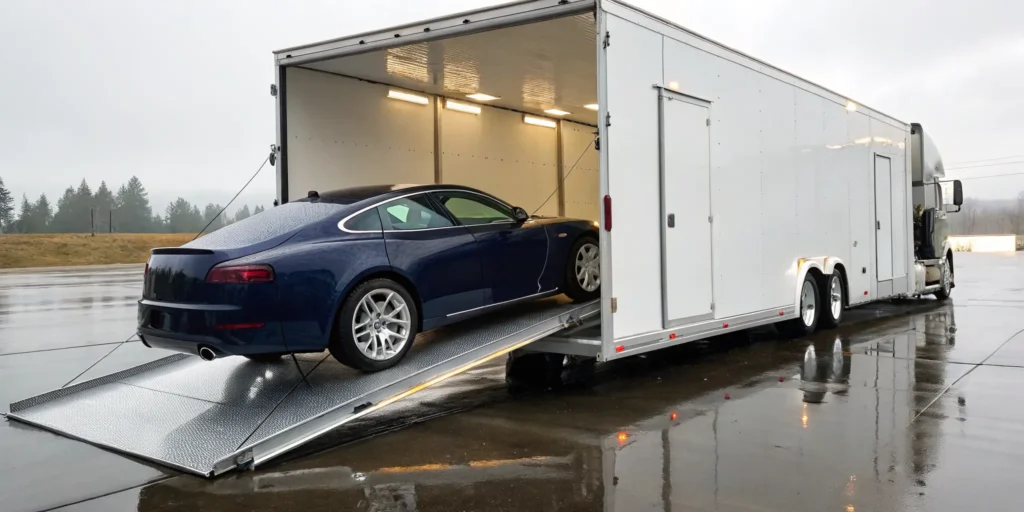
Your car might be more than just a way to get around; it could be a high-value investment, a piece of family history, or a custom project you’ve poured your heart into. When it’s time to move it, protecting that asset is non-negotiable. While standard shipping methods are safe, they leave your vehicle exposed to the unpredictable nature of the open road. This is why owners of valuable automobiles consistently turn to enclosed auto transport. This specialized service provides a secure, climate-protected environment, specialized handling, and complete peace of mind. Let’s explore why this is the industry standard for shipping irreplaceable vehicles.
Key Takeaways
- Opt for enclosed transport for maximum security: This service provides a fully covered trailer that shields your car from weather, road debris, and unwanted attention, making it the best choice for high-value, classic, or sentimental vehicles.
- Balance the cost with your peace of mind: While enclosed shipping costs more than open transport, it’s an investment in protecting your vehicle. Consider your car’s monetary and sentimental value to decide if the premium for total protection is right for you.
- A smooth shipment starts with you: Your experience depends on two key actions: choosing a licensed, insured, and well-reviewed transport company, and properly preparing your car by inspecting it, removing personal items, and having your keys ready.
What is Enclosed Auto Transport?
So, what exactly is enclosed auto transport? Think of it as a private, moving garage for your car. Instead of being loaded onto an open-air carrier exposed to the elements, your vehicle travels inside a fully covered and sealed trailer. This means it’s completely shielded from everything the road can throw at it, including rain, snow, harsh sun, wind, dust, and kicked-up rocks or other debris. It’s the go-to choice for anyone who wants the highest level of protection for their vehicle during transit.
This premium shipping method is about more than just avoiding bad weather. It’s about preserving your vehicle’s condition from start to finish. This is especially important for cars that need extra care, like luxury and exotic models, classic cars with delicate finishes, or vehicles with custom paint jobs that you want to keep flawless. If you’re moving a sentimental family heirloom or a high-value investment, enclosed transport provides an essential layer of security. At Roadrunner, we offer a range of transport services to match your car’s specific needs, ensuring it arrives in the exact condition it left. It’s a specialized service designed to deliver not just your vehicle, but also complete peace of mind.
Enclosed vs. Open Transport: What’s the Difference?
The main alternative to enclosed shipping is open transport, which is the most common method you see on the highway. With open transport, your car is loaded onto a carrier that’s exposed to the air. While it’s a safe and cost-effective option, your vehicle is subject to the same weather and road conditions as any other car on its journey.
Enclosed transport, on the other hand, puts a protective shell around your vehicle. This complete coverage is the key difference. Because enclosed carriers can’t hold as many cars as open ones, the service costs more and may require a bit more flexibility with scheduling. The trade-off is simple: you pay more for unparalleled protection and security.
Hard-Sided vs. Soft-Sided Enclosed Carriers
Once you’ve decided on enclosed transport, you’ll find there are two main types of carriers: hard-sided and soft-sided. A hard-sided carrier is like a solid box on wheels. It has rigid metal walls and a roof, offering the absolute best defense against weather, road debris, and even minor bumps. It’s the top-tier option for maximum security.
A soft-sided carrier uses a heavy-duty canvas or vinyl cover stretched over a frame. This still provides excellent protection from rain, sun, and dust, but it offers less of a buffer against physical impacts compared to a hard-sided trailer. Both are great options, and the right choice often depends on your vehicle’s value and your personal comfort level.
Why Choose Enclosed Car Shipping?
Deciding between open and enclosed transport often comes down to your vehicle’s value and your personal comfort level. While open transport is a perfectly safe and common choice, enclosed shipping offers a premium layer of protection and care. Think of it as first-class travel for your car. This option provides a fully covered trailer, shielding your vehicle from everything the road can throw at it. For owners of classic, luxury, or sentimental vehicles, the benefits often outweigh the additional cost. It’s about choosing the right tool for the job and ensuring your car arrives in the exact condition it left. Let’s look at the specific advantages that make enclosed shipping the preferred choice for many.
Protect Your Car from Weather and Debris
The most obvious benefit of enclosed shipping is complete protection from the elements. When your car travels inside a covered trailer, it’s shielded from rain, snow, hail, and harsh sun that can damage the paint and finish. It’s also safe from road debris like rocks, gravel, and dirt that can get kicked up by other vehicles. This four-walled protection ensures your car stays clean and avoids dings, scratches, or chips during transit. This level of care is a core part of our transport services, giving you confidence that your vehicle is in a secure environment from pickup to delivery.
Secure Your High-Value Vehicle
If you own a luxury, exotic, or classic car, security is a top priority. Enclosed transport provides a discreet and secure way to move your high-value vehicle. The car is hidden from public view, which deters potential theft and vandalism. This added security is why enclosed shipping is the industry standard for valuable automobiles. Knowing your investment is protected inside a locked carrier offers significant peace of mind. Our commitment to customer satisfaction means we treat every vehicle with the highest level of security and care, especially those that are irreplaceable.
Access Specialized Handling and Equipment
Enclosed transport isn’t just about the trailer; it’s about the specialized service that comes with it. Carriers use equipment like hydraulic lift gates and soft-tie straps to safely load and secure vehicles, which is especially important for cars with low ground clearance. The drivers are also highly experienced in handling high-end automobiles, understanding the specific needs and quirks of different models. This white-glove approach ensures your car is handled with precision and expertise at every step. This careful process prevents any unnecessary strain on the vehicle’s frame or suspension during loading and unloading.
Enjoy Privacy and Peace of Mind
Beyond physical protection, enclosed shipping offers privacy. If you’re moving a rare or custom vehicle, you might not want it displayed on an open carrier for hundreds of miles. An enclosed trailer keeps your car out of sight, ensuring a confidential and discreet transport experience. Ultimately, this all adds up to greater peace of mind. You won’t have to worry about weather forecasts, road conditions, or unwanted attention. You can simply relax, knowing your car is in a protected bubble, arriving safely without adding any wear, tear, or miles to its odometer.
What Vehicles Need Enclosed Transport?
Deciding between open and enclosed transport comes down to your vehicle and your comfort level with risk. This premium service is best for vehicles needing extra security. It’s the right choice if your car has high monetary value, significant sentimental worth, or unique features that make it vulnerable on the road. Enclosed shipping shields your vehicle from weather, road debris, and unwanted attention. Let’s look at the types of vehicles that benefit most from this service.
Luxury, Exotic, and Sports Cars
If you own a luxury, exotic, or high-performance sports car, enclosed transport offers essential protection for your investment. These vehicles often have delicate custom paint and expensive components susceptible to damage from road debris. Enclosed shipping isolates your car from these hazards. Many sports cars also have low ground clearance, making them difficult to load. Our enclosed transport services use hydraulic lift gates to safely load vehicles without risking damage to the undercarriage. This specialized handling ensures your prized possession is treated with care.
Classic, Vintage, and Collector Cars
For classic, vintage, and collector cars, the value is often irreplaceable. These vehicles are pieces of history or long-term investments. Exposing a classic car to sun, rain, or road salt during transit can cause irreversible damage to original paint and delicate interiors. Enclosed transport provides a secure environment that preserves its condition. Choosing enclosed shipping gives you peace of mind, knowing your unique vehicle is shielded from the elements. It’s the industry standard for moving cars to auctions and shows, guaranteeing your classic arrives looking pristine.
Any Vehicle That Needs Maximum Protection
You don’t need a six-figure supercar to justify enclosed transport. This service is for any owner who wants the highest level of protection. Perhaps you’re shipping a custom-modified car, a restoration project, or a vehicle with deep sentimental value. If the thought of your car being exposed to the elements makes you anxious, enclosed shipping is worth considering. Ultimately, this option is about minimizing risk. The shipping process is designed to shield your car from weather, dirt, and potential security threats, ensuring it arrives in the exact same condition.
How Much Does Enclosed Auto Transport Cost?
Let’s talk numbers. Because enclosed auto transport offers a premium level of protection, it comes at a higher price point than standard open transport. Generally, you can expect the cost to fall somewhere between $1,000 and $3,000. While that might seem like a wide range, the final price is always tailored to your specific needs. Think of it as buying a plane ticket for your car; the final cost depends on the destination, the time of year, and the level of service you choose. It’s not a one-size-fits-all situation, and that’s a good thing. It means you aren’t paying for services you don’t need. Several key factors come together to create your personalized quote, from the type of vehicle you have to the route it will travel. Understanding these variables will help you see exactly where your money is going and why enclosed shipping is a worthwhile investment for the right vehicle. It’s about getting a fair price for a service that delivers true peace of mind, knowing your car is shielded from every possible hazard on the road.
What Factors Influence Your Quote?
The price you receive is a blend of several key details. The most significant factors are the transport distance, the size and weight of your vehicle, and the specific route. A larger vehicle, like an SUV or a classic car with non-standard dimensions, takes up more space and weight on the carrier, which naturally increases the cost. The type of carrier you select, whether hard-sided for maximum security or soft-sided, can also affect the price. Your vehicle shipping process begins with a quote that considers these specifics to give you an accurate and transparent price from the start.
How Distance, Route, and Season Affect Cost
Digging a little deeper, the journey itself plays a huge role in your final cost. While the per-mile rate often decreases on longer cross-country trips, the overall price will be higher than for a shorter, regional move. Popular, high-traffic routes between major cities are typically more affordable than shipping to or from a remote, rural location that requires a detour. Seasonality also matters. Prices tend to rise during the summer, which is the peak moving season, and along “snowbird” routes in the fall and spring. Planning your shipment during the off-season can sometimes lead to better pricing for our transport services.
Weigh the Cost Against Your Vehicle’s Value
Ultimately, the decision to use enclosed transport comes down to your car’s value, both monetary and sentimental. For a classic, luxury, exotic, or custom-built vehicle, the extra cost is a small price to pay for complete protection from road debris, weather, and potential damage. It’s an investment in peace of mind. Before booking, always confirm the carrier’s insurance coverage. You’ll want to ensure their policy is sufficient to cover your car’s full value, not just a depreciated amount. This is a key reason to choose a carrier that is transparent about their coverage and committed to protecting your investment.
Is Enclosed Shipping Worth the Extra Cost?
Deciding between enclosed and open transport often comes down to one question: is the extra protection worth the higher price? There’s no single right answer here. The best choice really depends on your specific vehicle, your budget, and what gives you the most peace of mind. Enclosed shipping provides a fully covered environment for your car, shielding it from weather and road debris, which is the highest level of security you can get. However, it’s not always the necessary option for every car.
Understanding the specific benefits and when they matter most will help you make a confident decision. The goal is to find that sweet spot where cost and protection align perfectly with your needs. For some, the added security is non-negotiable, especially for a high-value or sentimental vehicle. For others, the proven safety of open transport is more than enough. Let’s walk through the key factors to consider, so you can determine if enclosed transport is the right investment for your vehicle’s journey. Roadrunner offers a full range of vehicle shipping services to match your specific requirements, ensuring you find the perfect fit.
Assess Your Personal Risk Tolerance
Think about how you’d feel seeing your car loaded onto an open carrier, exposed to the elements for hundreds or thousands of miles. If the thought of road debris, rain, or dust hitting your vehicle makes you anxious, enclosed transport is likely a good fit. This service places your car inside a covered trailer, shielding it from potential hazards on the road. While open transport is very safe, enclosed shipping provides an added layer of security. It’s an investment in peace of mind, ensuring your car arrives in the exact condition it left.
Debunk Common Myths About Cost and Availability
Many people assume enclosed transport is only for million-dollar supercars or that it will completely break the bank. While it was once a niche, premium service, that’s no longer the case. Enclosed shipping is more accessible and affordable than you might think. It’s a popular choice for anyone who wants maximum protection for their vehicle, whether it’s a classic Mustang, a new luxury SUV, or a beloved sports car. The best way to understand the real cost is to get a personalized quote, as the price difference may be smaller than you expect.
Know When Open Transport Is a Better Fit
Enclosed shipping is a fantastic service, but it isn’t always essential. For most standard vehicles, like your daily driver sedan, family SUV, or work truck, open transport is a perfectly safe and cost-effective solution. Millions of cars are shipped this way every year without any issues. If your vehicle is a standard model and you’re looking for the most economical option, open transport is the practical choice. It provides reliable, secure shipping without the premium price tag of an enclosed carrier, making it the go-to for the majority of vehicle moves.
How to Choose a Reliable Enclosed Transport Company
When you’re shipping a vehicle that deserves extra protection, choosing the right enclosed transport company is a big decision. You’re not just moving a car; you’re entrusting a valuable asset to someone else. The key is to find a partner who understands the care these shipments require and has a proven track record of delivering on their promises. Taking the time to research your options will give you confidence that your vehicle is in the best possible hands from pickup to delivery. A little due diligence goes a long way in ensuring a smooth, stress-free experience.
Look for a Trusted Carrier
Start by looking for a company with a solid reputation and years of experience. A trusted carrier will be transparent about their history, services, and what they stand for. Check out their website to get a feel for their professionalism and values. Do they clearly explain their shipping process? Are they upfront about who they are and what they do? An established company with a long history in the industry is more likely to have the expertise and resources to handle your high-value vehicle with the specialized attention it needs. They’ve built their business on reliability and customer satisfaction.
Verify Insurance and Licensing
Never book with a company without confirming they are fully licensed and insured. Reputable car shipping companies take great care in transporting vehicles safely and securely, and that includes having the right credentials. Every legitimate auto transporter must be registered with the Federal Motor Carrier Safety Administration (FMCSA) and have a USDOT number. You can look this up online to verify their status. Also, ask for a copy of their insurance certificate. This document should clearly outline their coverage limits, so you know exactly how your vehicle is protected during transit.
Check Customer Reviews and Experience
Customer reviews offer an honest look into a company’s performance. Look for feedback on independent sites like Google, Yelp, and the Better Business Bureau to get a well-rounded view. Pay attention to how the company handles both positive and negative reviews. Are they responsive and professional? Look for comments that specifically mention enclosed transport, as this will give you insight into their experience with high-value vehicles. Consistent positive feedback is a strong indicator that you’re dealing with a company that prioritizes customer care and delivers excellent service.
Ask About Tracking and Communication
Good communication is essential for peace of mind while your car is on the road. Before you book, ask about the company’s communication policy and tracking capabilities. Will you receive regular updates? Is there a direct contact person you can reach out to with questions? Many top-tier companies offer real-time GPS tracking so you always know where your car is and when it will arrive. A reliable transporter understands you want to stay informed and will make it easy for you to get updates throughout the journey, ensuring you’re never left in the dark.
How the Enclosed Auto Transport Process Works
Shipping your car, especially a valuable one, can feel like a big undertaking. But when you break it down, the process is straightforward and designed to give you peace of mind. Knowing what to expect at each stage helps you feel confident from the moment you get a quote to the second your car arrives safely at its destination. Let’s walk through the four main steps of the enclosed auto transport process.
Get a Quote and Book Your Shipment
The first step is figuring out the details. You can get an instant quote online by providing your pickup and delivery locations, vehicle information, and preferred pickup date. This gives you a clear idea of the cost upfront. Once you’re ready to move forward, you’ll book your shipment and schedule a pickup window that works for you. A transport coordinator will confirm all the details, answer any questions you have, and set everything in motion. This initial step is all about clear communication and getting your transport on the calendar without any hassle.
Understand the Loading and Pickup Process
When the transport truck arrives, the driver will conduct a thorough vehicle inspection with you, noting its current condition on a Bill of Lading. This document is important for both you and the carrier. Then, the driver will carefully load your vehicle into the enclosed trailer. Professionals use specialized equipment like hydraulic lift gates and soft straps to safely secure your car without causing any strain or damage. This careful handling ensures your vehicle is protected from the very start. The entire loading process is handled with precision to guarantee a secure fit inside the carrier.
What to Expect While Your Vehicle Is in Transit
Once your car is on the road, it’s completely shielded from the elements. Inside the enclosed carrier, your vehicle is safe from rain, snow, sun, and road debris. You won’t have to worry about dings from flying rocks or damage from harsh weather. Many companies offer a way to track your shipment, often through a unique booking number, so you can see where your vehicle is at any time. This transparency allows you to relax, knowing your car is making its way to you safely and securely.
Manage the Delivery and Final Inspection
The carrier will contact you as they near the destination to arrange a specific delivery time. Most companies offer door-to-door delivery, bringing your vehicle directly to your home, office, or another convenient location. When your car arrives, you’ll perform a final inspection with the driver, comparing its condition to the report on the original Bill of Lading. Take your time to look over your vehicle carefully. Once you’re satisfied, you’ll sign the final paperwork, and the keys will be back in your hands. This final check ensures everything has gone smoothly from start to finish.
How to Prepare Your Car for Enclosed Shipping
Once you’ve booked your shipment, taking a few simple steps to prepare your car will make the entire process smoother and more secure. Think of it as setting your vehicle up for a successful trip. Proper preparation helps protect your car, ensures the accuracy of insurance coverage, and makes the handover at pickup quick and efficient. It’s your opportunity to document your car’s condition and address any potential issues before it’s loaded onto the carrier.
The entire process is designed to be straightforward, and your role in it is key. You’ll work with the driver to conduct an inspection, but having your own records is invaluable. You’ll also need to clean out your car and secure any loose parts to prevent damage during transit. Finally, having your keys and any necessary paperwork ready will get your driver on the road without delay. By following these guidelines, you can hand over your keys with confidence, knowing you’ve done your part to ensure your car arrives safely at its destination.
Complete a Pre-Shipment Inspection
Before the transport truck arrives, it’s essential to document your vehicle’s exact condition. Start by giving your car a thorough wash so you can see every surface clearly. Then, walk around your vehicle and take detailed photos and videos from all angles. Be sure to capture any existing scratches, dings, or dents. Don’t forget to photograph the interior, the roof, and the odometer to record the mileage.
This personal record is incredibly useful when the driver arrives. Together, you will complete an official inspection report, also known as the Bill of Lading (BOL). Your photos and notes will help you confirm that the BOL is accurate before you sign it. This document is the most important piece of paperwork in the shipping process, so ensuring its accuracy is critical.
Remove Personal Items and Secure Loose Parts
Auto transport carriers are not licensed to move household goods, and their insurance does not cover personal belongings left inside your vehicle. To protect your items and comply with regulations, you should remove everything that isn’t secured to the car. This includes phone chargers, GPS devices, parking passes, and any other personal effects. Cleaning out your car also prevents items from shifting around and potentially causing damage during transit.
Next, do a quick check of your car’s exterior. If you have a retractable antenna, lower it completely. Secure or remove any custom parts like spoilers, luggage racks, or bike racks that could be damaged. This simple step helps ensure your vehicle arrives in the same condition it was in when it left. For more details, you can check our company’s FAQs.
Gather Your Keys and Documents
To make the pickup as smooth as possible, have your keys and any required documents ready for the driver. The driver will need one full set of keys to load and unload your vehicle from the transport truck. It’s a good idea to have a spare set for yourself, just in case. While you generally don’t need to hand over your title or registration, it’s wise to have copies of these documents available.
Having everything organized and accessible helps the driver stay on schedule and makes the handover process seamless. If you have any specific questions about what paperwork you’ll need, it’s always best to ask your transport coordinator ahead of time. Our team is always ready to help you prepare for a successful shipment, so feel free to contact us with any questions.
Related Articles
- Enclosed Carrier Car Shipping: The Ultimate Guide
- How to Find Reliable Auto Transport in 2026
- Open Transport Car Shipping: A Complete Guide
- Open Transport Car Shipping: Pros, Cons & Costs
Frequently Asked Questions
Is my car valuable enough for enclosed transport? This is less about a specific price tag and more about your personal comfort level. Enclosed shipping is the standard for high-value luxury, exotic, and classic cars, but it’s also a great choice for any vehicle with sentimental value or custom features you want to protect. If the thought of your car facing road debris or bad weather makes you nervous, then investing in the extra protection and peace of mind that enclosed transport provides is absolutely worth it.
How long does enclosed auto transport take? The timeline for shipping your car depends almost entirely on the distance it needs to travel. A cross-country trip can take about a week to ten days, while a shorter regional move might only take a few days. Because enclosed carriers are more specialized, scheduling can sometimes require a bit more flexibility. Your transport coordinator will always provide you with a clear and reliable delivery window when you book your shipment.
What’s the real difference between hard-sided and soft-sided enclosed carriers? Think of a hard-sided carrier as a solid metal box on wheels; it offers the highest possible level of security against weather, road debris, and even minor physical impacts. A soft-sided carrier uses a very tough, tear-resistant vinyl cover, which still provides excellent protection from things like rain, sun, and dust. Both are secure options, but a hard-sided trailer offers that extra structural barrier for maximum protection.
Can I pack personal items in my car during transport? You should remove all personal belongings from your vehicle before it gets picked up. Auto transport carriers are licensed to move vehicles, not household goods, and their insurance policies do not cover any personal items left inside. Clearing out your car ensures your belongings are safe and prevents anything from shifting around and causing potential damage during the journey.
What happens if my car gets damaged during shipping? Reputable carriers are fully insured to protect your vehicle. This is why the inspection report, or Bill of Lading, is so important. You and the driver will document your car’s condition at pickup. When your car arrives, you’ll do another inspection. If you notice any new damage, make sure it’s noted on the final report before you sign. From there, the transport company will guide you through the process of filing a claim with their insurance.