
Organizing your car transport from Texas to Florida involves a few key decisions that will shape your entire experience. Should you choose the budget-friendly open carrier or the premium protection of an enclosed trailer? Is the convenience of door-to-door service worth it, or does terminal-to-terminal shipping make more sense for your budget? Making the right choices depends on your specific vehicle, timeline, and priorities. This article serves as your practical decision-making guide. We’ll clearly explain the pros and cons of each option, helping you create a shipping plan that perfectly fits your needs and gives you complete confidence in the process.
Key Takeaways
- Your Quote Is a Custom Calculation: The price to ship your car depends on four key factors: the distance of the route, your vehicle’s size and type, the season you ship in, and whether you choose standard or expedited service.
- Match the Transport Type to Your Needs: Open transport is the standard, budget-friendly choice for most cars, while enclosed transport offers complete protection that is ideal for luxury, classic, or high-value vehicles.
- Vet Your Company to Avoid Surprises: A trustworthy shipper will have verifiable licensing, solid insurance, and positive customer reviews. Be cautious of quotes that seem too low, as they can be a red flag for hidden fees and poor service.
How Much Does It Cost to Ship a Car from Texas to Florida?
Figuring out the cost to ship your car is probably at the top of your to-do list. While the average price to ship a car from Texas to Florida is around $638, your final quote will depend on a few key details. The total cost is a mix of your specific route, the type of transport you choose, and how quickly you need your car to arrive. Let’s break down the main factors that influence your price so you know exactly what to expect.
See Average Costs for Popular Routes
The distance your car travels is the biggest factor in your final bill. Longer distances mean higher costs for fuel and labor. For example, shipping a car on the nearly 900-mile journey from Houston to Jacksonville can cost between $1,566 and $1,914. A shorter trip, like the roughly 400-mile route from San Antonio to Miami, will naturally be less, typically ranging from $688 to $844. Understanding how the process works can help you see how distance and logistics play into your specific quote.
Open vs. Enclosed: How Pricing Compares
You have two main transport options: open or enclosed. Open transport, where your car is shipped on a carrier exposed to the elements, is the industry standard and the most budget-friendly choice. It’s a safe and reliable method used for millions of cars every year. On the other hand, if you’re shipping a luxury, classic, or sentimental vehicle, enclosed transport offers complete protection from weather and road debris. This premium service usually costs 40% to 60% more, but it provides peace of mind for high-value cars.
Need It Fast? How Speed Impacts Your Quote
If you’re on a tight deadline, you can opt for expedited shipping, but it will cost more. Securing a spot on a carrier at the last minute or rerouting a truck to meet your schedule comes at a premium. Giving your shipping company a flexible window for pickup is one of the best ways to keep your costs down, as it allows them to find the most efficient and economical route for your vehicle. If you have a specific timeline in mind, it’s always best to get a precise quote that reflects your needs.
What Determines Your Final Shipping Cost?
When you’re planning to ship your car, one of the first questions you’ll have is, “How much will it cost?” The truth is, there’s no single price tag. The final cost of shipping your vehicle from Texas to Florida depends on a handful of key factors. Think of it like booking a flight; the price can change based on your destination, the time of year, and how quickly you need to get there.
Understanding these variables will help you get a clear picture of your potential expenses and find the best option for your budget. We’ll walk through the four main elements that influence your quote: the specific route, the type of car you’re shipping, the time of year, and how fast you need it delivered. Knowing what goes into the price helps you plan better and ensures there are no surprises along the way. Our goal is to make the process transparent, so you can feel confident you’re getting a fair price for a reliable shipping service.
Your Route: Distance and Location
The journey your car takes is the biggest factor in your shipping cost. The distance from your pickup point in Texas to your drop-off location in Florida directly impacts the price. A longer trip means more fuel, more time for the driver, and more miles on the transport truck. For example, shipping a standard car on an open carrier for a trip of around 1,400 miles, which is the average distance between central Texas and Florida, will have a different cost than a shorter route.
Beyond just the miles, the specific locations matter. Shipping between major metropolitan areas like Houston and Miami is often more affordable because carriers run these popular routes frequently. If your car needs to be picked up from or delivered to a smaller, more remote town, it might cost a bit more. This is because the driver may have to go out of their way, adding time and mileage to their trip.
Your Car: Make, Model, and Size
Not all cars are created equal, at least when it comes to shipping. The size and type of your vehicle play a significant role in determining the cost. A standard sedan takes up less space and weighs less than an SUV or a large truck. Because carriers have limited space on their trucks, larger vehicles cost more to ship. The same goes for modified vehicles, like lifted trucks, which require special handling.
If you own a luxury, exotic, or classic car, you might consider an enclosed carrier. This option provides complete protection from weather and road debris, giving you extra peace of mind. While enclosed transport typically costs more than standard open transport, it’s often the best choice for high-value vehicles. It’s all about matching the service to your car’s specific needs.
The Season: Demand and Fuel Prices
Timing is everything, and that’s true for car shipping, too. The time of year you ship your vehicle can have a surprising impact on the price. During peak moving seasons, like the summer months, demand for car transport is high. With more people booking shipments, prices tend to rise. Conversely, you might find lower rates during the off-season when demand is lower.
For a route from Texas to Florida, weather can also be a factor. The Atlantic hurricane season, which runs from June to November, can sometimes cause delays or make it harder for carriers to stick to a schedule, which can influence pricing and availability. Planning your shipment outside of these peak times can often lead to savings.
Your Timeline: Standard vs. Expedited Shipping
How quickly you need your car to arrive also affects your final cost. If your schedule is flexible, you can save money with standard shipping. We recommend booking your transport two to three weeks in advance to give us plenty of time to find the perfect carrier for your route. A typical shipment from Texas to Florida usually takes just a few days once the car is on the truck.
However, if you’re in a hurry and need your car delivered by a specific date, you can opt for expedited shipping. This premium service prioritizes your vehicle, ensuring it gets picked up and delivered faster. While it costs more, it provides the speed and convenience you need for a tight deadline. The best first step is to get a free quote so you can compare options for your specific timeline.
How Long Does It Take to Ship a Car from Texas to Florida?
Once you have an idea of the cost, your next question is probably about timing. You need to know when to expect your car so you can plan your schedule accordingly. The good news is that shipping a car from the Lone Star State to the Sunshine State is often quicker than people think. The entire journey is a well-traveled route for professional carriers. While the exact timeline can vary based on a few key factors, you can generally count on a straightforward and efficient delivery. Understanding the timeline helps you arrange for a ride, take time off work, or simply have peace of mind. Let’s walk through the standard transit times, what might cause a delay, and what you can do to help ensure a smooth and timely arrival for your vehicle.
Standard Transit Times
On average, the actual transit time for shipping a car from Texas to Florida is between 2 and 4 days. This is the period when your car is physically on the transport truck and making its way to the destination. It’s helpful to remember that this doesn’t include the initial pickup window, which is the timeframe your carrier provides for arriving to load your vehicle. Once your car is safely on the carrier, the driver takes the most efficient route possible to get it to you promptly.
Factors That Can Cause Delays
While carriers are pros at managing their schedules, some things can occasionally slow down the process. Most delays are caused by factors outside of anyone’s control, like major traffic jams, unexpected road closures, or bad weather along the route. Since the destination is Florida, it’s also wise to keep hurricane season (June to November) in mind, as severe storms can impact carrier availability and road conditions. Your specific pickup and delivery locations can also affect the timeline. A trip between two major metro areas is typically faster than one involving remote, rural addresses that are harder for large trucks to access.
How to Plan for a Smooth Delivery
A little bit of planning can make a huge difference in making sure your car arrives right on schedule. The single best thing you can do is book your shipment in advance, ideally about two to three weeks before you need it picked up. If you’re on a tight deadline or live in a more rural area, giving yourself even more of a buffer is a smart move. Understanding our shipping process can also help set clear expectations. For example, carriers need a lot of space, so if your street is too narrow for a large truck, you may need to meet the driver in a nearby parking lot for a safe and easy handover.
Open vs. Enclosed Transport: Which Is Right for You?
One of the first decisions you’ll make when shipping your car is choosing between open and enclosed transport. Think of it as picking between a standard, reliable option and a first-class, white-glove service. Both methods are safe and effective ways to get your car from Texas to Florida, but they cater to different needs and budgets. The right choice depends on your vehicle type, your budget, and your personal preference for protection. Understanding the differences between these transport services will help you feel confident in your decision.
The Basics of Open Carrier Shipping
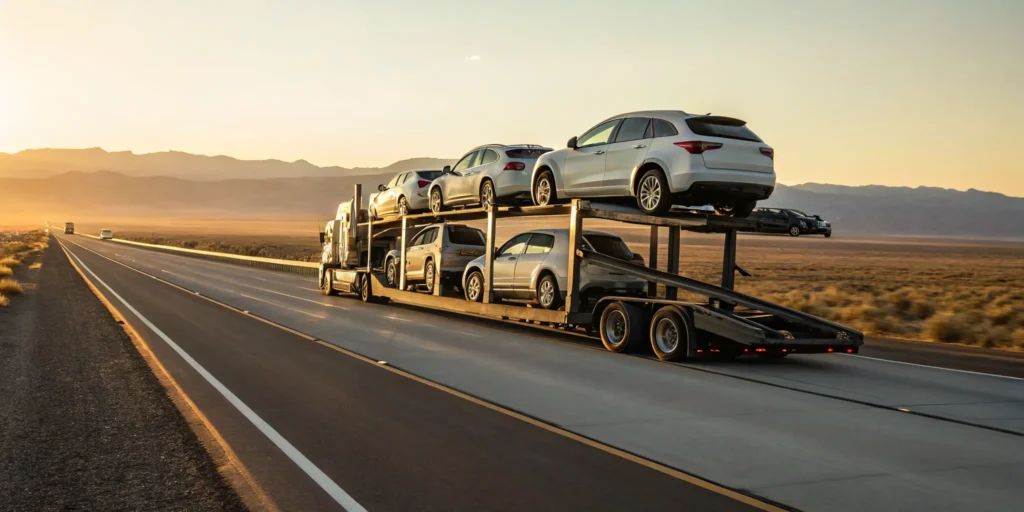
Open carrier shipping is the most common and affordable way to transport a vehicle. If you’ve ever seen a large truck hauling cars on the highway, it was likely an open carrier. This is the standard method used to deliver new cars to dealerships. Your car is securely loaded onto a trailer that is open to the elements, so it will be exposed to weather and road dust. It’s an extremely reliable and cost-effective choice for most standard vehicles, like daily drivers or family SUVs. It’s a great balance of safety and value.
When to Choose Enclosed Carrier Shipping
If you want the highest level of protection, enclosed carrier shipping is the way to go. Your car is transported inside a fully covered trailer, shielding it completely from weather, road debris, and dust. This option typically costs more, but it provides total protection and peace of mind. Enclosed shipping is the preferred choice for owners of classic cars, luxury vehicles, or any vehicle with a high sentimental or monetary value. It’s also ideal for cars with low clearance. This service ensures your car arrives in the exact same pristine condition it was in when it was picked up.
Making the Right Choice for Your Car
So, how do you decide? The best choice comes down to balancing cost against your car’s specific needs. If you’re shipping a standard vehicle and want the most budget-friendly option, open transport is a fantastic and safe choice. For a high-value or classic car, the extra investment for an enclosed carrier provides unmatched protection. Consider your vehicle’s value and your personal comfort level. To get a clear comparison, you can always request a quote for both shipping types. This will give you a direct look at the price difference and help you make an informed decision.
Door-to-Door vs. Terminal-to-Terminal Shipping
When you ship your car, you have two main choices for pickup and delivery: door-to-door and terminal-to-terminal. Each option has its own set of benefits, and the right one for you really comes down to your priorities. Are you looking for maximum convenience, or is sticking to a tight budget your main goal? Understanding the difference between these two services will help you make the best decision for your move from Texas to Florida. Let’s break down what each service entails so you can choose with confidence.
The Convenience of Door-to-Door Service
Door-to-door car shipping is our most popular service, and for good reason. It offers unparalleled convenience. A carrier picks up your vehicle directly from your specified location in Texas, whether it’s your home or office, and delivers it right to your destination in Florida. This completely removes the need to drive to a shipping terminal or arrange for a ride after you pick up your car. It’s the perfect set-it-and-forget-it solution if you have a busy schedule or simply want the most straightforward experience. Our streamlined process ensures you get expert guidance and updates every step of the way.
The Savings of Terminal-to-Terminal Service
If saving money is your top priority, terminal-to-terminal shipping is a fantastic option. With this method, you drop your vehicle off at a designated shipping terminal near you. The carrier then transports it to another terminal close to your destination, where you’ll go to pick it up. Because this allows carriers to move multiple vehicles from one central point to another, it’s a more efficient process. Those savings are then passed on to you. While it does require a bit more coordination on your part, it’s an excellent way to lower your overall shipping cost.
Deciding Between Convenience and Cost
So, how do you choose? It really comes down to weighing convenience against cost. If a seamless, stress-free experience is what you’re after, door-to-door service is the clear winner and well worth the investment. If you’re working with a tighter budget, the savings from terminal-to-terminal shipping can make a big difference. It’s also worth remembering that shipping your car is often more economical than driving it yourself, once you add up the costs of gas, hotels, and food. The best way to compare pricing for your specific move is to get a free quote and see what works for you.
How to Prepare Your Car for Transport
Getting your car ready for its trip from Texas to Florida is one of the most important things you can do to ensure everything goes off without a hitch. A little prep work on your end makes the entire process smoother for you and the driver. Think of it as packing a suitcase for your car; you want to make sure it has everything it needs (and nothing it doesn’t) for a safe journey. Let’s walk through the simple, actionable steps you can take to prepare your vehicle for pickup.
Inspect and Document Your Car’s Condition
Before your car is loaded onto the carrier, take a few minutes to give it a thorough walk-around. Note any existing dings, scratches, or dents. The best way to do this is by taking clear, well-lit photos and even a video of your car’s interior and exterior. Be sure to capture all sides of the vehicle and get close-ups of any pre-existing damage. This creates a simple, undisputed record of your car’s condition before it begins its journey. This documentation is a crucial part of the shipping process and will give you complete peace of mind.
Empty Your Car and Check the Gas Tank
Carriers are not licensed to transport personal belongings, and these items won’t be insured during transit. So, make sure to remove everything from your car, including the trunk and glove compartment. This includes phone chargers, air fresheners, and any loose change. The only items that should remain are standard vehicle accessories, like a spare tire and a jack. It’s also a standard safety practice to have your gas tank at or below one-quarter full. This helps reduce the vehicle’s overall weight and is a requirement for transport. You can find more details like this on our FAQ page.
Secure Your Vehicle for a Safe Trip
To get your car ready for loading, there are a few final touches to take care of. First, disable your car alarm. If you can’t turn it off completely, provide detailed written instructions for the driver on how to handle it if it goes off. Next, retract or remove any custom antennas and fold in your side mirrors to prevent potential damage. It’s also a good idea to make sure your battery is secure and fully charged and that your tires are properly inflated. These small steps help ensure your vehicle has a safe and uneventful ride to its new home in Florida.
Understand Your Bill of Lading
The Bill of Lading (BOL) is the most important piece of paperwork in your vehicle’s transport. It serves as both a receipt and a contract. When the driver arrives for pickup, they will inspect your car with you and note its condition on the BOL. Your job is to review this document carefully and confirm that it accurately reflects your own inspection. Once you sign it, keep your copy in a safe place. You will need it again at delivery to inspect your car and confirm it arrived in the same condition. This document is your key protection throughout the shipping experience.
How to Choose a Reliable Car Shipping Company
Handing over your car keys to a stranger can feel a little nerve-wracking, but finding a trustworthy shipping company makes all the difference. A great transport partner will treat your vehicle like their own and keep you informed every step of the way. The good news is that a little bit of homework can help you spot the pros from the rest. By focusing on a few key areas like reputation, credentials, and communication, you can confidently choose a company that will get your car to its destination safely and without any surprises.
Check Reviews and Ratings
Before you commit to a company, see what other customers have to say. Reviews are your window into the real-world experience a company provides. Look beyond the star rating on their website and check independent platforms like Google and the Better Business Bureau. A company with a high rating across thousands of reviews shows a long history of customer satisfaction. Pay close attention to recent feedback, as it gives you the most current picture of their service quality. Also, notice how the company responds to negative reviews. A professional and helpful response is a great sign of strong customer care.
Verify Licensing and Insurance
This step is non-negotiable. Every legitimate auto transport company must be licensed by the Federal Motor Carrier Safety Administration (FMCSA) and carry proper insurance. Ask for their MC number and DOT number, which you can use to verify their status online. Specifically, confirm that they have cargo insurance to protect your vehicle during transit. Before the driver loads your car, you will both inspect it and sign a document called the Bill of Lading. This document is crucial, as it records your car’s condition at pickup and delivery, serving as proof if any issues arise.
Compare Quotes (and Watch for Hidden Fees)
It’s smart to get quotes from a few different companies, but don’t let price be your only guide. A quote that seems significantly lower than all the others can be a major red flag. Some companies lure customers in with a low price, only to add on hidden fees later for things like insurance or fuel surcharges. When you get a quote, ask if it’s all-inclusive. A reliable company will provide a transparent price without pressuring you to book immediately. Be wary of “best price guarantees” that sound too good to be true; solid service and peace of mind are worth a fair price.
Ask About Tracking and Communication
Once your car is on the road, you’ll want to know where it is and when to expect it. A dependable shipping company will offer clear communication and ways to follow your vehicle’s journey. Ask about their tracking system. Many companies, including Roadrunner, provide online portals where you can see your car’s progress in real time. You should also have a direct line to a shipping agent who can answer your questions. Knowing you can easily get updates on your shipment provides invaluable peace of mind and helps you plan for a smooth delivery.
Why Roadrunner Checks All the Boxes
When you put it all together, you’re looking for a company with proven experience, transparent pricing, and a genuine commitment to its customers. At Roadrunner Vehicle Transports, we pride ourselves on providing exactly that. Our focus is on delivering exceptional customer care and tailored shipping solutions that fit your specific needs. We believe in clear communication from start to finish, ensuring you feel confident and informed throughout the entire process. Our dedication to dependable, high-quality service is why so many customers trust us to transport their vehicles safely across the country.
Car Shipping Red Flags to Avoid
Choosing a car shipping company can feel overwhelming, but knowing what to watch out for makes the process much smoother. A little awareness goes a long way in helping you sidestep potential headaches and find a partner you can trust with your vehicle. Keep an eye out for these common red flags to ensure your car is in good hands.
Quotes That Seem Too Good to Be True
We all love a good deal, but an unbelievably low quote for car shipping should make you pause. Some companies lure customers in with a “best price guarantee” or promises of saving 20% over competitors, only to add surprise fees later. A trustworthy quote reflects the true costs of transport, including distance, vehicle size, fuel, and carrier availability. If a price seems too good to be true, it probably is. A reliable company will provide a fair, comprehensive quote that covers the entire service without hidden charges.
Missing Insurance or Licensing Info
This is a big one. Never work with a transport company that isn’t fully licensed and insured. Reputable shippers are registered with the Federal Motor Carrier Safety Administration (FMCSA) and will gladly provide their USDOT number. They should also offer clear details about their insurance coverage. A key document in this process is the Bill of Lading, which records your car’s condition at pickup and delivery. If a company is vague about its credentials or doesn’t use a Bill of Lading, consider it a major red flag and walk away.
Vague Contracts and Hidden Fees
Your shipping contract should be crystal clear. It needs to outline the total cost, the pickup and delivery locations, the estimated timeline, and the insurance details. Be cautious of any agreement that feels vague or leaves room for interpretation. Unscrupulous companies might use unclear contracts to tack on extra charges for things that should have been included in the first place. A professional company will always provide a detailed contract and be happy to walk you through every line item, ensuring you understand exactly what you’re paying for.
High-Pressure Sales and Poor Communication
The shipping process should feel supportive, not stressful. If a sales representative is pressuring you to book immediately or making you feel uncomfortable, it’s a sign of a company that prioritizes sales over service. Likewise, poor communication is a deal-breaker. You should receive timely updates and have your questions answered promptly. Great companies pride themselves on exceptional customer care and understand that keeping you informed is part of the job. If you’re already getting radio silence before you’ve even booked, imagine how hard it will be to get an update once your car is on the road.
Get Your Free Texas to Florida Shipping Quote
Ready to figure out your budget? The best place to start is by getting a free, no-obligation quote. We make it simple to find out your cost right away. You can get a clear price estimate directly from our team, which helps you plan your move without any guesswork. This first step gives you a solid foundation for making an informed decision about your vehicle’s journey from Texas to Florida.
While every shipment is unique, it helps to have a general idea of what to expect. On average, shipping a standard sedan on this route can cost around $600 to $700. Keep in mind this is just a ballpark figure. Your final price will depend on factors like your vehicle’s size, the type of transport you choose (open or enclosed), and how quickly you need it to arrive. Our quotes provide a detailed breakdown so you know exactly what you’re paying for.
Here’s a pro tip: try to book your transport about one to two weeks in advance. Scheduling ahead often gives you access to better rates and more flexible pickup dates. Last-minute bookings can sometimes cost more due to limited availability, so a little planning can go a long way in saving you money. Understanding our straightforward shipping process can also help you feel more prepared. When you’re ready, you can request your personalized quote to get started.
Related Articles
- 5 Best Auto Shipping Companies in Texas (Reviewed)
- Ship a Car to Another State: The Ultimate Guide
- The Cheapest Way to Ship a Car: A Complete Guide
- How Much Does It Cost to Ship a Car? (Price Guide)
Frequently Asked Questions
How long does the entire shipping process take, from booking to delivery? The total time has two parts: the pickup window and the transit time. Once you book, we typically find a carrier to pick up your vehicle within a 1 to 5 day window. The actual drive from Texas to Florida is quick, usually taking just 2 to 4 days. For the smoothest timeline, we suggest booking your shipment about two weeks before you need it picked up.
Is enclosed transport really worth the extra cost? This depends entirely on your car and your comfort level. Open transport is an extremely safe and reliable method used for millions of cars, including new ones sent to dealerships. If you have a standard daily driver, it’s a great, budget-friendly choice. However, if you’re shipping a classic, luxury, or sentimental vehicle, the added cost for an enclosed carrier provides complete protection from weather and road debris, offering valuable peace of mind.
Can I pack my car with personal items to save on moving costs? You will need to empty your car before the driver arrives. Transport carriers are licensed to ship vehicles, not household goods, and their insurance does not cover personal belongings left inside. For safety and liability reasons, the only items that should be in your car are standard vehicle accessories like a jack and a spare tire.
What happens if my car is damaged during transport? In the rare event of damage, the Bill of Lading is your most important tool. At delivery, inspect your car thoroughly before you sign anything. If you notice any new scratches or dings, make sure they are noted on the Bill of Lading. Then, you can contact your shipping provider to begin the claims process with the carrier’s insurance. This is why that initial inspection is so important.
Do I need to be present for the pickup and delivery? Yes, someone needs to be there for both the pickup and the delivery. It doesn’t have to be you, but a trusted friend, family member, or representative over 18 must be present. This person will need to walk around the vehicle with the driver, sign the Bill of Lading to confirm the car’s condition, and hand over or receive the keys.