
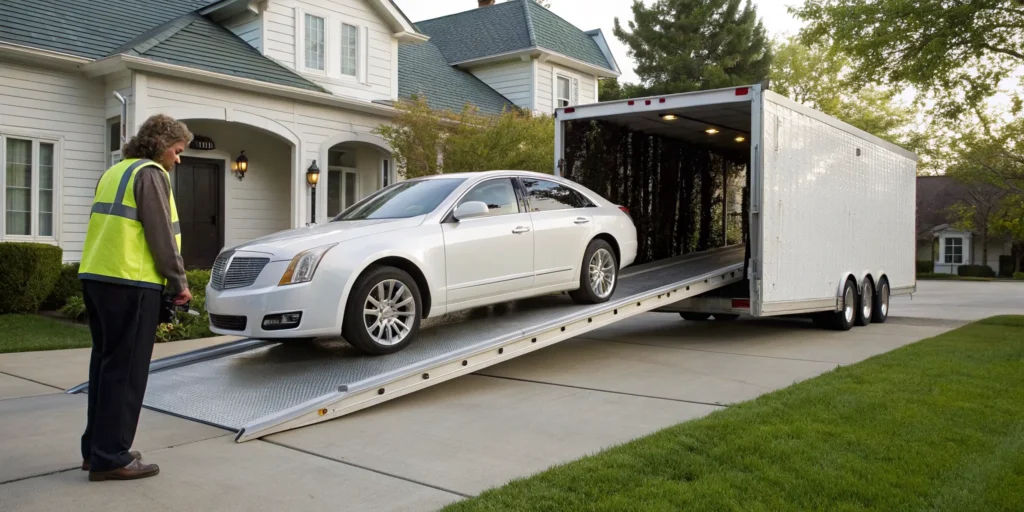
Finding your dream car should be a purely positive experience, but the final step of getting it home can bring a wave of anxiety. What if it gets damaged? What if there are hidden fees? These are valid concerns when you’re trusting a stranger with a brand-new, valuable asset. The key to a stress-free experience is knowing what to look for and what to avoid. If you’re thinking, “I need to ship my new car from dealer to my home, but I don’t want any surprises,” you’re in the right place. This guide is your roadmap to sidestepping common pitfalls and ensuring your vehicle is handled with professional care from start to finish.
Key Takeaways
- Choose your shipper based on trust, not just price: A suspiciously low quote can be a red flag for poor service or hidden fees. Instead, find a reliable partner by verifying their DOT number and insurance, reading recent customer reviews, and comparing quotes for overall value.
- Document everything before and after shipping: Your best protection is a clear record of your car’s condition. Take detailed photos before it’s loaded and conduct a thorough inspection upon delivery, noting any new damage on the Bill of Lading before you sign.
- Prepare your car and understand the logistics: Get your car ready for its journey by removing all personal items and leaving no more than a quarter tank of gas. Clarify delivery details, like door-to-door service limitations, to avoid surprises on arrival day.
Getting Your New Car Home: Your Shipping Options
So, you found the perfect car, but it’s miles away. Congratulations! Now comes the fun part: figuring out how to get it to your driveway. You have a few different paths you can take, and the right one for you depends on your budget, timeline, and how much involvement you want in the process. Let’s walk through the main ways you can ship your new car so you can make a choice you feel great about.
Let the Dealership Handle Shipping
Many dealerships offer to arrange shipping for you, which can feel like the easiest route. They typically work with third-party carriers to get the car delivered to your home or a nearby location. While this is convenient, it’s important to remember that you’re adding a middleman to the process. The dealership’s primary goal is to sell the car, not necessarily to find you the best shipping deal. Before you agree, make sure you get a clear, all-inclusive price for the transport. This cost can add a surprising amount to your final purchase price, and you’ll have less control over which company handles your new vehicle.
Hire a Professional Car Transporter
If you prefer more control and transparency, hiring a professional car transporter yourself is the way to go. This allows you to research companies, compare quotes, and choose a carrier that you trust. When you work directly with a transport company, you can ask specific questions about their process, insurance coverage, and delivery timeline. Reputable companies are registered, insured, and have plenty of customer reviews you can check. Taking the time to find a great partner for your vehicle shipping needs gives you peace of mind knowing your new car is in good hands from start to finish.
Door-to-Door or Terminal-to-Terminal?
When you hire a shipping company, you’ll usually choose between two main delivery styles: door-to-door and terminal-to-terminal. Door-to-door service is the most convenient option. The carrier picks up your new car directly from the dealership and delivers it right to your home or another address you specify. It’s a true full-service experience. Terminal-to-terminal shipping is a more budget-friendly alternative. With this method, you arrange for the car to be dropped off at a designated shipping terminal near the dealership, and you pick it up from another terminal near you. It requires a bit more coordination on your part but can save you some money.
Open vs. Enclosed: Which Transport Is Right for You?
You’ll also need to decide how you want your car to travel. Open transport is the most common and affordable method. Your car will be secured on an open-air trailer, similar to the ones you see on the highway delivering cars to dealerships. It’s a safe and reliable option, but your vehicle will be exposed to weather and road debris. For maximum protection, you can opt for enclosed transport. Your car travels inside a covered trailer, shielding it completely from the elements. This service costs more but is the safest choice, making it ideal for luxury, classic, or brand-new cars you want to keep in pristine condition.
What’s the Cost to Ship a Car from a Dealership?
So, you’ve found your perfect car, but it’s at a dealership hundreds of miles away. The next logical question is, what will it cost to get it to your driveway? While the average price to ship a car is around $950, this number is just a starting point. The final cost is a bit like a puzzle, with different pieces like distance, your car’s size, and the type of transport you choose all fitting together to form the final price. Understanding these factors will help you get a clear picture of your total investment and avoid any surprises along the way.
How Distance Affects Your Shipping Quote
It’s no surprise that distance is the biggest factor in your shipping cost. The farther your new car has to travel, the more you can expect to pay. However, the math isn’t always straightforward. Shorter trips, like those under 500 miles, might cost around $1 per mile. For cross-country journeys over 2,000 miles, that rate can drop to about $0.50 per mile. This happens because the fixed costs of loading and unloading your vehicle are spread out over a longer distance. When you request a quote for our vehicle shipping services, we calculate the most efficient route to give you a competitive and accurate price.
What Other Factors Influence the Price?
Beyond the miles on the map, a few other details will shape your final quote. The size and weight of your vehicle matter; a large SUV or truck takes up more space on a carrier than a compact sedan, so it costs more to ship. You’ll also choose between open and enclosed transport. Open transport is the standard and most affordable option, while enclosed transport provides complete protection from weather and road debris for a higher price. Finally, your location plays a part. Shipping a car to or from a major city is typically less expensive than transporting it to a remote, rural area that’s harder for a large truck to reach.
Look Out for These Hidden Fees
When you’re excited about a new car, the last thing you want is a surprise fee. Unfortunately, some initial quotes you receive might not be the final price. If your dealership offers to handle the shipping, make sure you ask for a complete, all-in cost before you agree. Sometimes, these arrangements can add a significant amount to your purchase price. A trustworthy transport company will be upfront about all potential charges, including fuel surcharges or fees for special accommodations. Always ask for a detailed breakdown of your quote and confirm what is, and isn’t, included. This simple step ensures you know exactly what you’re paying for.
Your Step-by-Step Guide to Shipping a Car
Bringing your new car home should be exciting, not stressful. Once you’ve made the purchase, the final step is getting it from the dealership to your driveway. The good news is that the process is pretty straightforward. Whether the dealer arranges it or you hire a transport company yourself, following a few key steps will ensure your car arrives safely. Let’s walk through exactly what you need to do.
Step 1: Confirm Details with Your Dealer
Before you start researching shipping companies, have a chat with your dealership. Many dealers have established relationships with transport carriers and can arrange the entire shipping process for you. They might offer to deliver the car directly to your home or to a partner dealership closer to you. This can be a convenient, one-stop solution, as they handle the logistics. Ask them about their process, the costs involved, and the timeline. If their offer works for you, it can save you the time of arranging transport on your own.
Step 2: Get Quotes and Choose Your Transport Method
If you decide to arrange your own shipping, your first move is to do a little research. You’ll want to get quotes from a few different transport companies to compare pricing and services. As you do, you’ll need to make a key decision: open vs. enclosed transport. Open transport is the most common and affordable option; your car is shipped on an open-air trailer along with other vehicles. Enclosed transport costs more but provides complete protection from weather and road debris, making it a great choice for new, luxury, or classic cars.
Step 3: Finalize the Paperwork
Paperwork is your best friend when it comes to protecting your new vehicle. Before the carrier loads your car, you’ll perform an initial inspection and sign a document called the bill of lading. This document acts as a receipt and records the car’s condition at pickup. When your car arrives, you’ll conduct another thorough inspection before signing off on the delivery. Only sign the final bill of lading after you’ve confirmed your car arrived in the same condition it left. This document is crucial if you need to file a claim for any damage.
Step 4: Schedule the Pickup and Delivery
Once you’ve chosen a transporter and finalized the details, it’s time to get on the schedule. The shipping company will coordinate with the dealership to arrange a pickup date and time. You will be given a delivery window, which is typically a range of a few days. Most carriers will contact you 24 to 48 hours before arrival to confirm the specific delivery time so you can be there to receive your vehicle. Clear communication with your transport company will help make this final step smooth and predictable.
How Long Does Car Shipping Take?
Patience is key, but you won’t have to wait too long. Shipping a car to another state generally takes between three and ten days from the pickup date. The total time depends on the distance, route, and carrier availability. Keep in mind that unforeseen delays can happen due to weather, traffic, or other logistical hurdles. A reliable transport company will be transparent about the timeline and keep you updated on your car’s journey. Understanding how the process works from start to finish can help you set realistic expectations for your delivery window.
How to Choose a Reliable Car Shipping Company
You’ve found your dream car. Now comes the final step: getting it home safely. Choosing the right shipping company is a big decision, but it doesn’t have to be stressful. With a little homework, you can find a partner you trust to handle your new vehicle with care. Think of it as the last, crucial piece of the car-buying puzzle. Let’s walk through exactly what to look for to ensure your car arrives without a hitch.
Check for Proper Licensing and Insurance
Before you even look at a price, your first move should be to verify the company’s credentials. A legitimate auto transporter must be registered with the Federal Motor Carrier Safety Administration (FMCSA) and have a U.S. Department of Transportation (DOT) number. This isn’t just red tape; it’s your assurance that the company meets federal safety standards. Also, confirm their insurance coverage. Ask for a copy of their insurance certificate and understand what it covers. A trustworthy company will be upfront with this information, as it’s a key part of providing dependable transport services.
Read Customer Reviews and Ask Smart Questions
Reviews are your window into a company’s track record. Look for recent feedback on sites like Google and the Better Business Bureau (BBB). Don’t just skim the star ratings; read about other people’s real-world experiences. Are there patterns of communication issues or surprise fees? Once you have a shortlist, call them and ask direct questions. Inquire about their process for handling delays or what happens if damage occurs. A company committed to exceptional customer care will answer your questions patiently and thoroughly, giving you confidence in their service.
Get and Compare Multiple Quotes
It’s always smart to get quotes from a few different companies, but remember that the lowest price isn’t always the best deal. An unusually low quote can be a red flag for hidden fees, inadequate insurance, or unreliable service. When you compare quotes, make sure you’re comparing apples to apples. Does the price include door-to-door service? What level of insurance is provided? Is the quote guaranteed? By looking at the full picture, you can find a company that offers great value and the peace of mind you need. When you’re ready, you can request a car shipping quote to see how Road Runner Vehicle Transports stacks up.
How to Prepare Your New Car for Shipping
Once you’ve chosen your shipping company and scheduled your pickup, it’s time to get your new car ready for its trip. A little bit of prep work goes a long way in ensuring your vehicle arrives safely and without a hitch. Taking these steps protects your car, helps the transport process go smoothly, and gives you total peace of mind. Think of it as packing a suitcase for your car before it embarks on its own journey. This preparation is a key part of the vehicle shipping process and sets the stage for a successful delivery.
While it might seem like extra work, properly preparing your car is non-negotiable. It’s a requirement for most transport companies for safety and liability reasons. For example, personal items are not covered by carrier insurance, and fluid leaks can pose a hazard to other vehicles on the truck. The Department of Transportation has regulations that carriers must follow, and these preparation steps help them stay compliant while keeping your car and others safe. By following a simple checklist, you can avoid any last-minute surprises or delays on pickup day. The goal is to hand over a vehicle that is clean, documented, and mechanically ready for transport. This not only helps the driver but also protects your investment and makes the delivery inspection seamless. Let’s walk through exactly what you need to do to get your new car ready for the road ahead.
Remove All Personal Belongings
First things first, you’ll need to clean out the car. Shipping companies are not licensed to transport personal items, and their insurance won’t cover anything you leave inside. This includes everything from loose change and sunglasses to aftermarket electronics and toll passes. Removing your belongings prevents any risk of loss or damage and ensures there are no disputes about what was or wasn’t in the car. It also helps keep the vehicle’s weight down, which can sometimes impact your shipping cost. Before handing over the keys, do a final sweep of the cabin, trunk, and all compartments to make sure you’ve removed all personal items.
Clean Your Car and Document Its Condition
Giving your new car a good wash before it ships is one of the smartest things you can do. A clean exterior makes it much easier to spot any dings, scratches, or scuffs. Before the driver arrives, take detailed photos of your vehicle from every angle. Be sure to capture close-ups of any imperfections, no matter how small. This creates a clear record of the car’s condition before it’s loaded onto the truck. The driver will also conduct a pre-shipment inspection and note the car’s condition on the Bill of Lading. Your photos serve as your personal record to compare against this report when your car arrives at its destination.
Check Fluids and Tire Pressure
A few simple mechanical checks are also in order. Your gas tank should be no more than one-quarter full. This is a standard safety requirement for auto transport, and it also helps reduce the overall weight of the vehicle on the carrier. It’s also a good idea to check for any fluid leaks. If your car has a noticeable leak, the carrier may not be able to transport it, as dripping fluids could damage other vehicles below it. Finally, make sure your tires are properly inflated. This ensures your car can be easily driven on and off the transport truck. These small checks help prevent any delays or issues during pickup.
What to Do When Your New Car Arrives
The moment the transport truck pulls up with your new car is exciting. After all the waiting, it’s finally here. Before you grab the keys and take it for a spin, there are a few important steps to take. A thorough delivery inspection is your final and most important opportunity to confirm your car arrived in perfect condition. Taking a few minutes to carefully check the vehicle and paperwork ensures that if there are any issues, they can be handled quickly and correctly.
Inspect Your Car from Top to Bottom
Don’t feel rushed by the delivery driver; their job includes giving you time for a proper inspection. Using the pre-shipment condition report as your guide, give your car a detailed look-over. We recommend walking around the vehicle in a full circle, checking every panel for scratches, dings, or dents that weren’t there before. Look at the roof, hood, and trunk, and inspect the wheels and bumpers for any scuffs. Open the doors and check the interior, too. It’s best to do this in good lighting. If it’s dark or raining, ask if the car can be moved to a covered, well-lit area like your garage before you begin.
Carefully Review the Bill of Lading
The Bill of Lading (BOL) is more than just a receipt; it’s a legal document that confirms your car was delivered. Once you sign it, you are legally accepting the vehicle in its current condition. Before you put pen to paper, compare your inspection findings with the notes on the BOL. If you find any new damage, no matter how small, you must note it directly on the Bill of Lading before signing. This creates an official record of the issue. If everything looks good and matches the pre-shipment report, you can sign with confidence. This step is a key part of our process to ensure transparency and satisfaction.
How to Report and Handle Any Damage
Finding new damage is stressful, but there’s a clear path to resolving it. First, document everything. Take clear photos and videos of the damage from several angles and distances while the driver is still present. Make sure you have noted all the new damage on the Bill of Lading, as this is your most critical piece of evidence. Next, contact the shipping company immediately to initiate a claim. We have a straightforward claims process and are committed to helping you through it, which you can learn more about in our frequently asked questions. Remember, the transport company is responsible for damage that happens during shipping, while any pre-existing issues should be discussed with the dealership.
Common Mistakes to Avoid When Shipping a New Car
The moment you get the keys to your new car is pure excitement. But getting it from the dealership to your driveway involves a few steps where things can go wrong. I’ve seen it happen, and it can really put a damper on the whole experience. To make sure your new ride arrives without a hitch, let’s walk through some common mistakes people make and how you can easily sidestep them. A little bit of prep goes a long way in ensuring a smooth and stress-free delivery.
Skipping the Pre-Shipment Inspection
This one is a biggie. It’s tempting to trust that everything will be fine, but you absolutely must do your own inspection. Before the carrier even touches your car, give it a thorough walk-around. Take photos and videos of its condition from every angle, noting any tiny scratches or dings that might already be there. This documentation is your proof of the car’s pre-shipment state. When your car arrives, do the exact same thing before you sign any paperwork. This crucial step ensures that if any damage occurs during transport, you have the evidence needed to file a claim and get it resolved quickly. Don’t skip it.
Choosing Price Over Reliability
I get it, everyone loves a good deal. When you’re looking at shipping quotes, it’s easy to gravitate toward the lowest number. But when it comes to shipping your brand-new car, cheaper is rarely better. A suspiciously low price can be a red flag for poor service, hidden fees, or inadequate insurance. Instead of focusing only on cost, look for a company with a proven track record of reliability and great customer service. Spend time reading recent reviews and see what other people are saying. A reputable company will be transparent about their process and costs, giving you confidence that your new car is in good hands. Your peace of mind is worth the investment in a dependable transport service.
Overlooking Delivery Location Rules
You might assume “door-to-door” delivery means the truck will pull right into your driveway. While that’s the goal, it’s not always possible. Large transport carriers have limitations; they can’t always fit down narrow residential streets or under low-hanging branches. Most companies promise to get as close to your address as is safe and legal for the driver. Before you book, clarify the delivery logistics. Ask about potential challenges with your specific address and discuss a convenient, accessible meeting spot nearby if needed. Understanding the delivery process upfront helps you set realistic expectations and avoids any last-minute surprises or scrambles on delivery day. It ensures a smooth handoff from the driver to you.
Not Planning for Potential Delays
When a shipping company gives you a delivery window, think of it as a well-informed estimate, not a guaranteed appointment. Life on the road is unpredictable. A truck can get held up by bad weather, unexpected traffic, or mechanical issues that are completely out of the driver’s control. While companies do their best to stick to the schedule, it’s smart to build a little flexibility into your own plans. Don’t schedule an important event for the exact day your car is supposed to arrive. Having a backup plan and a patient mindset will save you a lot of stress if potential delays pop up. Communication is key, so a good company will keep you updated on their progress.
Assuming Your Car Is Fully Insured
Never assume anything when it comes to insurance. While all licensed auto transporters are required to carry insurance, the amount and type of coverage can vary significantly. Before you commit, ask for proof of insurance and take the time to understand what it covers. Is there a deductible? What is the process for filing a claim? It’s also a good idea to call your own auto insurance provider. Confirm that your personal policy offers coverage for your vehicle while it’s in transit. Having this two-pronged approach to insurance gives you maximum protection and ensures that, in the unlikely event something happens, you won’t be left with a hefty repair bill.
Ship Your New Car with Peace of Mind
Buying a new car is a huge milestone, and the last thing you want is for the excitement to be overshadowed by shipping worries. Getting your new vehicle from the dealership to your driveway should be a smooth and secure process. With a little preparation, you can feel confident from the moment it leaves the lot until it arrives at your door. The key is to be proactive and partner with a company you trust to handle your new ride with care.
First, insist on a thorough inspection before the car is loaded onto the truck. Ask the dealership to send you detailed photos of the car from every angle, documenting its pristine condition. Once the driver arrives, they will complete a Bill of Lading (BOL), which includes a vehicle condition report. You should also take your own set of photos or a video right before it’s driven away. This creates a clear “before” picture. When your car arrives, you’ll repeat this process, carefully inspecting the vehicle before signing off on the delivery. This documentation is your best friend if you need to address any issues.
Choosing the right transport company is arguably the most important step. You need a partner who is not only reliable but also transparent about their process and insurance coverage. A reputable shipper will provide you with a clear, detailed quote upfront so you know exactly what to expect. They should also have a proven track record of excellent customer service. Taking the time to find a dependable transport service ensures your new investment is protected every mile of the journey. By following these steps, you can trade anxiety for anticipation and get ready to enjoy your new car.
Related Articles
- How Much Does It Cost to Ship a Car? (Price Guide)
- How to Ship a Car: Complete Guide to Auto Transport | Road Runner Vehicle Transports
- The Cheapest Way to Ship a Car: A Complete Guide
- The 6 Best Auto Shipping Companies of 2026
- Ship a Car to Another State: The Ultimate Guide
Frequently Asked Questions
My dealership offered to handle shipping. Is it better to arrange it myself? While letting the dealership manage shipping can feel convenient, arranging it yourself gives you complete control. When you hire a transport company directly, you get to choose the carrier, compare quotes to find the best value, and ask specific questions about their insurance and process. This ensures you partner with a company you trust and that you understand all the details of your car’s journey home.
Can I pack personal items in my car to be shipped? It’s a common question, but the answer is no. Transport companies are not licensed to carry household goods, and their insurance does not cover personal belongings left inside a vehicle. For the safety of your items and to comply with regulations, you must remove all personal effects from the cabin and trunk before the carrier arrives.
What happens if the transport truck can’t get down my street for delivery? This is a practical concern that drivers handle all the time. “Door-to-door” service means the driver will get as close to your address as is safe and legal. If your street has low-hanging trees, tight turns, or other restrictions, the driver will call you to arrange a meeting at a nearby, accessible location, like a large parking lot, to complete the delivery safely.
What is the Bill of Lading and why is it so important? The Bill of Lading (BOL) is the most important document in the shipping process. It acts as both a receipt and a condition report. At pickup, you and the driver will inspect the car and note its condition on the BOL. At delivery, you will use this same document to inspect the car again. You must note any new damage on the BOL before signing it, as this document is essential for filing an insurance claim.
Is the price I’m quoted the final price, or should I expect hidden fees? A trustworthy transport company will provide you with an all-inclusive quote based on the information you provide. The price you are quoted should be the price you pay. Reputable companies are transparent about their costs and will not surprise you with hidden charges. The only time the price should change is if you alter the shipping details, such as changing the vehicle or switching from open to enclosed transport.