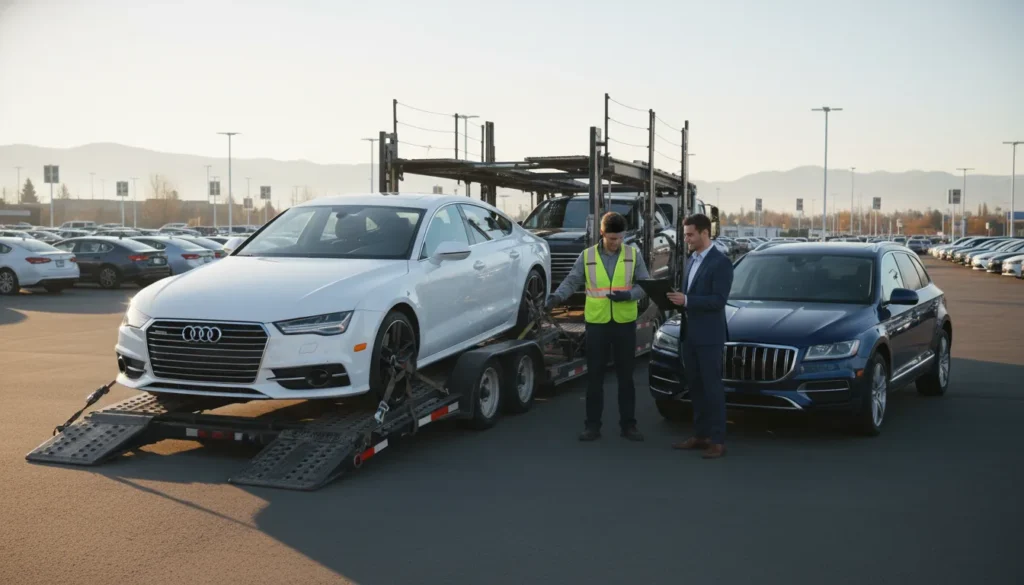
The right out-of-state car can become an expensive problem without a delivery plan. Before signing, confirm the vehicle, home-state requirements, and who will arrange transport.
Request a vehicle transport quote before you commit to pickup dates, so the sale and shipping plan work together.
Buying a car out of state shipping works best when the sale and delivery are planned together. Verify the VIN, title and condition before payment, confirm home-state paperwork, select the right transport type, then inspect the car at delivery before signing the Bill of Lading.
So, how do you coordinate a distant purchase, paperwork, and pickup without losing control of the process? Start with Buying a car out of state shipping: plan the purchase and transport together, because delivery choices should be settled before keys change hands. Here’s how.
Buying a car out of state shipping: plan the purchase and transport together
An online listing can widen your search, but distance adds another moving part. When buying a car out of state, shipping should be part of the purchase plan, not a task saved for later. Confirm where the car sits, when it can be released, and who can meet a carrier at pickup.
One plan for the sale and the move
Before you sign or send final payment, ask the seller about pickup access and timing. A dealer may have set pickup hours, while a private seller may need notice. These details help you request transport that fits the handoff instead of finding a carrier after the seller expects the vehicle gone.
Buying across state lines also means checking home-state requirements before the vehicle arrives. Motor vehicle registration and licensing services are handled at the state level. Ask your state agency which title, tax, inspection, or registration steps apply to your purchase.
What Road Runner does
Road Runner Vehicle Transports is a transport broker. It connects customers with independent, insured motor carriers; it does not own the truck or employ the driver carrying your car. The carrier handles pickup and transit, while Road Runner helps match the shipment with a carrier.
A quote request should reflect the real vehicle and route. Have the pickup city, delivery city, vehicle year, make and model, running condition, and preferred service ready. Road Runner can review transport needs for that purchase. The car may be at a dealership, auction location, or private seller’s address.
Timing the pickup before closing
Shipping cannot be scheduled well if key details are still unknown. Before finalizing the deal, confirm that the seller can release the vehicle and has any needed keys or access details. Also decide whether someone must be present at pickup, so the handoff does not stall once a carrier is assigned.
Build flexibility into the purchase timeline. Carrier assignment, pickup, transit, and delivery depend on route and availability, so transport dates are estimates rather than promises. If the purchase is nearly complete, include accurate pickup details and a reachable seller contact in your planning.
This early planning also gives buyer and seller the same expectations. The seller knows when pickup may happen and what access is needed. You know how the vehicle will move after the sale, rather than trying to solve transport under pressure.
What should you check before buying the vehicle?
Before buying remotely, confirm the seller’s authority, match the VIN to title and inspection records. Review the vehicle’s condition, and check title, tax, registration, insurance, or emissions steps in your home state.
Seller and vehicle identity
Before you send payment, confirm who owns the vehicle and who can sell it. Ask a dealer for its business name, address, phone number, and a written purchase order. For a private seller, ask to see identification that matches the title holder. Be cautious if payment instructions suddenly change.
Match the vehicle identification number (VIN) on the listing, title, and inspection report. Request clear photos of the VIN plate and current odometer reading. Ask whether the title is clean, rebuilt, salvage, or branded in another way. If a lender appears on the title, request the lien release process in writing.
- Get the signed purchase terms, total price, included items, and payment method in writing.
- Confirm that the seller has the title, or knows exactly how it will be released.
- Do not schedule pickup until you know who can hand the vehicle to the carrier.
Paperwork, history, and condition
A low price should not replace basic checks. Order a vehicle history report using the VIN, then compare its details with the listing. Hire an independent inspector near the vehicle before you complete the sale. Ask for photos of damage, tires, warning lights, keys, and any records included with the car.
Paperwork rules may differ between the seller’s state and your home state. Motor vehicle registration and related services are managed at the state level. Check your state DMV for title forms, tax steps, temporary tag rules, and inspection needs before you buy.
- Ask for a copy of the current title and confirm how the transfer will be signed.
- Check for lien information and ask what proof will show that any lien is cleared.
- Arrange an inspection that is separate from the seller and review the written findings.
- Save the bill of sale, payment receipt, listing, and messages in one folder.
Home-state steps and pickup details
Research registration and emissions rules where you plan to register the vehicle. If an inspection or emissions test applies, learn when it must occur and what records you need. The DMV can explain its own current requirements; it should be your source for state-specific steps.
Call your insurance provider before pickup is arranged. Give them the VIN, purchase date, vehicle location, and planned transport method. Ask when coverage should begin and what proof you need for registration or pickup. Keep that confirmation with your purchase papers.
If speed matters after an online purchase, review the guide to shipping a newly purchased car home before choosing a pickup window. Then confirm the exact pickup address, contact name, phone number, hours, and access limits. Note low branches, narrow streets, gated lots, or dealer release rules so the carrier can plan a practical meeting point.
Finally, agree on who will be present at pickup and what items stay with the car. Ask that existing damage and vehicle condition are recorded before transport begins. Keep expectations clear: scheduling and transit times are estimates, not a substitute for complete purchase and pickup preparation.
How does buying a car out of state shipping work?
After the purchase terms are set, provide the vehicle and route details, choose open or enclosed transport. Coordinate seller pickup access, document loading condition, and compare the car again at delivery before signing.
Buying a car out of state shipping begins after you and the seller agree on the vehicle and pickup plan. Road Runner Vehicle Transports is a broker, not the trucking company. It connects customers with independent carriers for the move. This means the seller, buyer, broker, and carrier each have a role.
From quote to carrier assignment
Start by gathering the pickup address, delivery address, vehicle details, and seller contact information. State whether you want open or enclosed transport, and note any pickup needs before you place the order.
Get a route-specific vehicle transport quote once your vehicle and pickup details are ready.
-
Request a quote with the route, vehicle year, make, model, and condition. A vehicle that does not run may require different loading arrangements.
-
Review the quote and transport type before placing the order. Confirm the seller can release the car at pickup.
-
Place the order with accurate contact details for both ends of the trip. Keep the order record with your purchase documents.
-
Road Runner works to assign an independent carrier for the route. Pickup and delivery timing remain estimates, since road and schedule conditions can change.
-
At pickup, the carrier and release contact inspect the vehicle. They note existing damage and its condition on the Bill of Lading.
-
During transit, keep your phone available for schedule updates. Make sure the delivery contact knows where the vehicle can be received safely.
-
At delivery, inspect the vehicle before signing the Bill of Lading. Compare its condition with the pickup report and record any new issue.
Pickup and transit records
If a dealer or private seller meets the carrier, ask for a copy of the signed pickup report. Photos taken at pickup can also support the condition record. These files help you check the vehicle after the trip, even when you could not attend pickup in person.
Transit timing is an estimate rather than a fixed arrival promise. The assigned carrier must manage loading stops, traffic, weather, and safe driving. If the purchase has a tight handoff date, read the expedited vehicle transport overview before scheduling pickup.
Delivery inspection and final paperwork
Do not treat vehicle delivery as a quick key exchange. Walk around the car, compare it with the pickup notes, and check the Bill of Lading before signing. If you find a new concern, note it on that document while the carrier is present.
Keep the order, quote, Bill of Lading, seller paperwork, and delivery photos together. Shipping records do not replace title or registration tasks. Vehicle registration services are managed by each state.
Open, enclosed, or expedited transport: which fits your car?
When buying a car out of state, shipping choice starts with the vehicle and the pickup need. Open, enclosed, and expedited transport solve different problems. Road Runner works as a broker, connecting customers with independent, insured motor carriers.
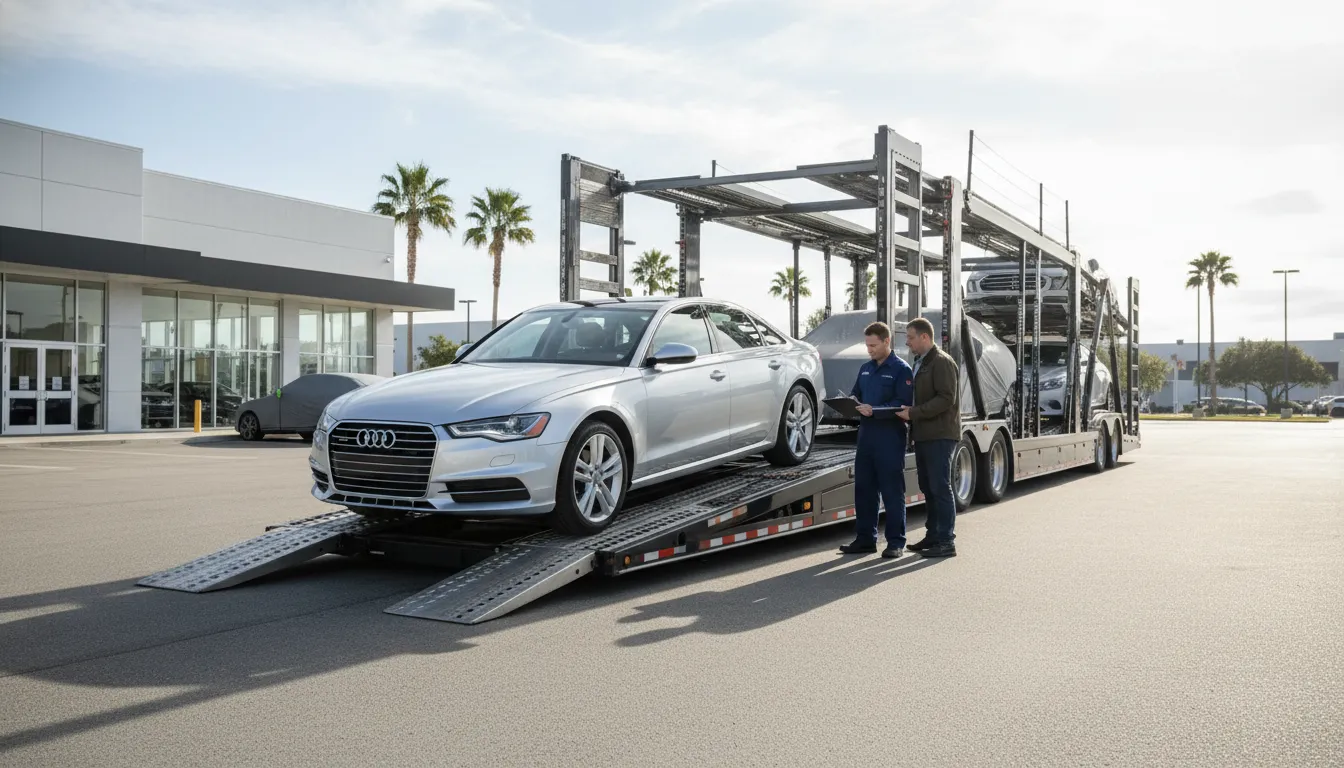
Transport choice is only one part of an out-of-state purchase. Your home state’s motor vehicle office sets its title and registration steps. The state office can explain requirements before the car arrives.
Open transport for practical purchases
Open transport is a sound starting point for a daily driver, family vehicle, or standard dealer purchase. The vehicle travels on an open carrier. It is not shielded from road dust or weather during transit.
This option may fit buyers focused on a direct move rather than added enclosure. Ask for the vehicle condition report at pickup. Inspect the car at delivery before signing the Bill of Lading.
| Transport option. | Often fits. | Main reason to choose it. | Planning point. |
|---|---|---|---|
| Open. | Daily drivers. | Practical standard move. | Vehicle is exposed in transit. |
| Enclosed. | Collector or high-value cars. | Added shielding in transit. | State protection needs clearly. |
| Expedited. | Urgent dealer pickups. | Pickup timing is the priority. | Ask for timing estimates. |
Enclosed transport for added protection
Enclosed transport may fit a collector car, restored vehicle, exotic model, or high-value purchase. It places the vehicle inside a covered trailer rather than on an exposed carrier.
Added shielding can matter when paint, trim, rare parts, or low clearance guide your choice. Share accurate vehicle details when requesting a quote. Include whether the car runs and any features that affect loading.
Expedited service when timing matters
Expedited transport is meant for a pickup that needs faster coordination. Examples include a dealer deadline or an online purchase ready for release. It does not make delivery dates certain.
Carrier schedules, route conditions, and pickup access can still affect estimates. If the seller needs prompt pickup, review how a vehicle shipping quote is calculated before arranging service.
Have the pickup address, delivery area, vehicle details, seller contact, and preferred transport type ready. The right option depends on the car, timing needs, and in-transit shielding you want.
Quotes are market-based, so compare the service requested rather than assuming a set price. Request current transport options after the vehicle, pickup location, and delivery needs are clear.
What affects buying a car out of state shipping cost and timing?
Transport cost and timing vary with distance, route demand, vehicle condition, transport type, pickup flexibility, and access. Taxes, title, inspection, and registration remain separate home-state responsibilities to confirm before delivery.
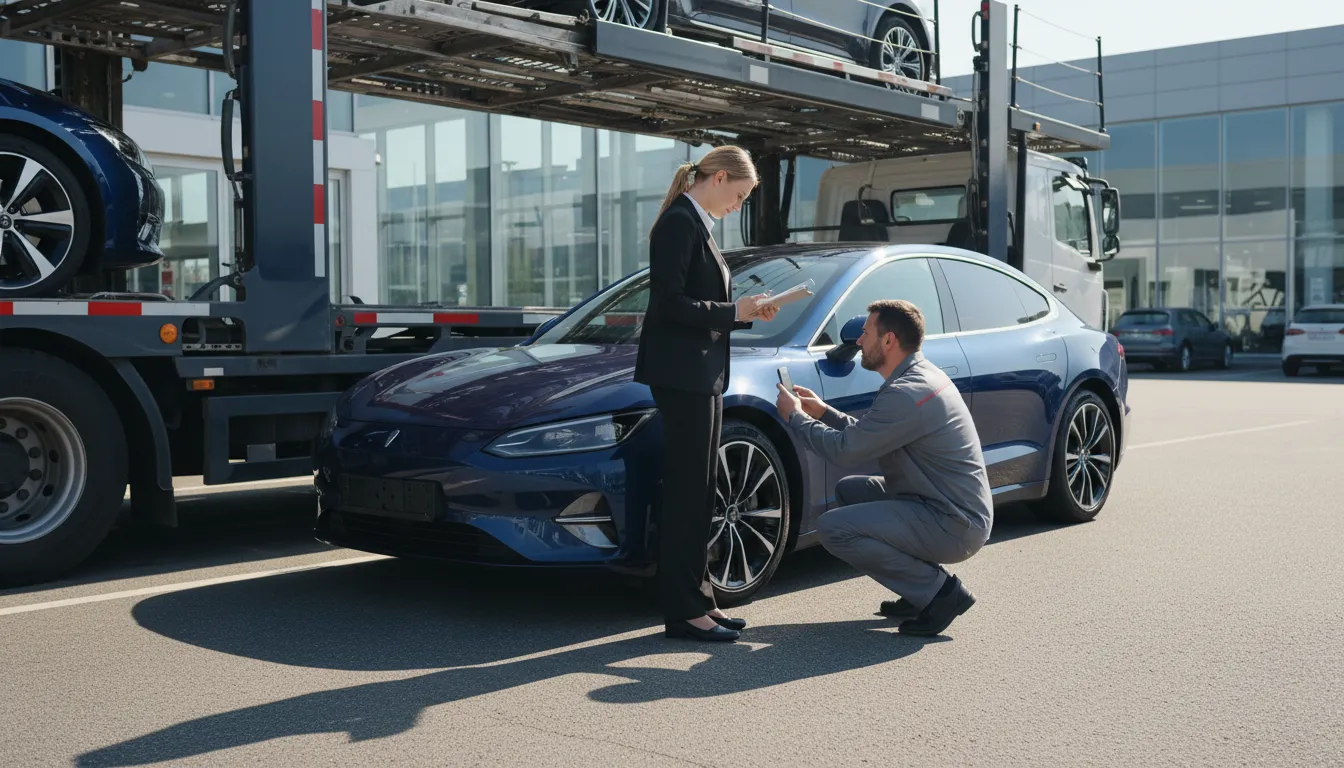
When buying a car out of state, shipping is one part of the total plan. The purchase paperwork and state fees are separate from the move itself. A useful quote starts with clear details about the car, the route, and your timing needs.
Details that shape a transport quote
A quote begins with the pickup and delivery locations. Routes with easier carrier access may be simpler to schedule than remote or restricted locations. The vehicle also matters, since a sedan, pickup, SUV, classic car, or modified vehicle may need different space and loading care.
Tell the broker whether the car runs, steers, brakes, and rolls. A vehicle that cannot be loaded in the usual way may need added equipment. You should also choose between open and enclosed transport, based on the vehicle and the protection you want during transit.
- Pickup and delivery ZIP codes, plus any access limits
- Year, make, model, and any size changes or low clearance
- Operable or inoperable status at the time of pickup
- Open or enclosed transport preference.
- Preferred pickup window and any deadline concerns.
Once those details are ready, a current transport estimate can focus on the move you need. Road Runner connects customers with independent motor carriers, rather than selling the vehicle or handling its registration.
Timing choices and delivery planning
Timing flexibility can affect carrier matching and the available transport choices. If you can offer a wider pickup window, the broker has more room to find a fit. If the car must move soon, ask whether faster pickup options fit your situation.
Plan around estimated pickup and delivery windows, not a fixed arrival promise. Carrier schedules can shift with route conditions, traffic, weather, pickup access, and other stops. Before pickup, coordinate vehicle release details with the seller and confirm who can hand the keys to the carrier.
State taxes, title, and registration steps
A transport quote covers moving the car. It does not set sales tax, title fees, registration rules, inspection rules, or emissions requirements. Those items depend on the state where you will title and register the vehicle.
Check your home state’s motor vehicle agency before the purchase is final. The federal government’s state motor vehicle services directory points buyers to the office that handles registration and related DMV services. Ask what documents are needed, when fees are due, and whether an inspection applies to your vehicle.
The seller or dealer may supply title and sale documents, but you remain responsible for confirming your state’s rules. Keep your bill of sale, signed title paperwork, transport order, and delivery inspection records together. This keeps shipping questions separate from title and registration questions after the car arrives.
Should the dealer arrange shipping, or should you?
A dealer-arranged move may be simpler, while a buyer-arranged quote can provide more direct visibility into service type, timing, pickup contacts, and delivery planning. Compare written terms before choosing.
When buying a car out of state, shipping can be arranged by the dealer or by the buyer. Neither route is right for every sale. The useful question is which choice gives you clear terms, clear contacts, and enough control before the vehicle leaves the seller.
Dealer-arranged transport
A dealer-arranged shipment can reduce the number of calls you make during the purchase. The dealer may already have a process for releasing a vehicle at pickup. Dealers may also arrange transport for their own inventory, but that does not define the best choice for your individual purchase.
Before accepting this option, ask whether the charge appears as a separate line in your buyer’s order. Ask who is arranging transport and whether the service is open or enclosed. Also request the pickup contact, the carrier communication plan, and the expected pickup window in writing.
Keep shipping separate from title and registration questions. Motor vehicle services, including registration, are managed at the state level. A dealer’s help with shipment does not remove the need to check your home state’s registration steps.
Buyer-arranged transport
Arranging shipping yourself gives you a direct role in comparing the service type and transport charge. You can choose open or enclosed transport based on the vehicle and your priorities. You can also name the seller as the pickup contact while keeping carrier updates tied to your own order.
Road Runner Vehicle Transports is a broker, which means it connects customers with independent motor carriers rather than operating the trucks. Buyers who want to arrange transport can provide the origin, destination, vehicle details, and service preference for route-specific planning. Transport timing should be treated as an estimate, since pickup and transit depend on carrier scheduling.
A short release window may require a faster shipping plan. Review enclosed transport considerations for protected vehicles if the purchase requires extra care, then confirm timing before agreeing to a plan. Ask what the requested pace changes, then compare the full terms before booking.
Details to document before pickup
Whichever party books transport, get the same key details before the seller releases the car. Clear records keep the sale terms, shipping terms, and delivery handoff from becoming one unclear agreement.
- Service type: State whether the move is open, enclosed, door-to-door, or expedited.
- Pickup contact: Record the dealer or seller contact who can release the vehicle.
- Transport charge: Confirm the quoted shipping amount and any payment instructions in writing.
- Carrier communication: Ask when carrier details will be provided and who sends updates.
- Delivery handoff: Plan to inspect the vehicle at delivery before signing the Bill of Lading.
Compare the written details, not just convenience. If either arrangement leaves the service type, charge, or communication path unclear, resolve those items before pickup is scheduled.
Frequently Asked Questions
Can I arrange transport myself instead of using the out-of-state dealer?
Either approach can work. Ask whether the dealer includes shipping, which provider it uses, and what pickup terms apply. Arranging transport yourself gives you direct control over the quote, transport type, communication, and delivery planning. Road Runner Vehicle Transports acts as an intermediary connecting customers with independent, insured motor carriers.
What documents do I need for buying a car out of state and shipping it?
Before pickup, collect the signed purchase agreement, title transfer documents, bill of sale, VIN, proof of insurance, and any temporary registration paperwork. Also confirm what the carrier needs at pickup and delivery. A dealer may assist with title and registration paperwork, while private buyers often handle it themselves, according to DMV.org.
Is it safe to buy a car sight unseen from an out-of-state dealer?
It can be, but complete checks before sending payment or arranging pickup. Verify the seller, VIN, vehicle history, inspection results, purchase terms, payment method, and delivery condition records. Ask for clear photos and a written agreement. If an online purchase problem occurs, USA.gov explains where consumers can file a complaint.
How do I handle taxes and registration when buying a car out of state?
Start with your home state’s motor vehicle agency because registration rules are set at the state level. Buyers generally pay vehicle sales tax based on the state where the vehicle is registered, not simply where it was purchased, according to DMV.org. Confirm title, inspection, emissions, tax, and registration requirements before finalizing the purchase.
How can I get a car shipping quote for an out-of-state purchase?
Have the pickup and delivery locations, vehicle year, make and model, running condition, and preferred transport type ready. Those details help produce a useful estimate for open, enclosed, door-to-door, or expedited transport. Delivery timing should be treated as an estimate because carrier assignment and route conditions can change. Request details in writing before scheduling pickup.
Ready to plan your out-of-state car delivery?
Waiting to arrange transport after buying an out-of-state vehicle can add uncertainty when you should be preparing for pickup and delivery. Starting now gives you time to request a quote, review transport options, and coordinate next steps around the purchase process. A clear plan helps online buyers and dealership purchasers avoid rushed decisions when the vehicle is ready to leave the seller.
Request your vehicle transport quote for an out-of-state purchase and plan pickup and delivery with Road Runner Vehicle Transports.