
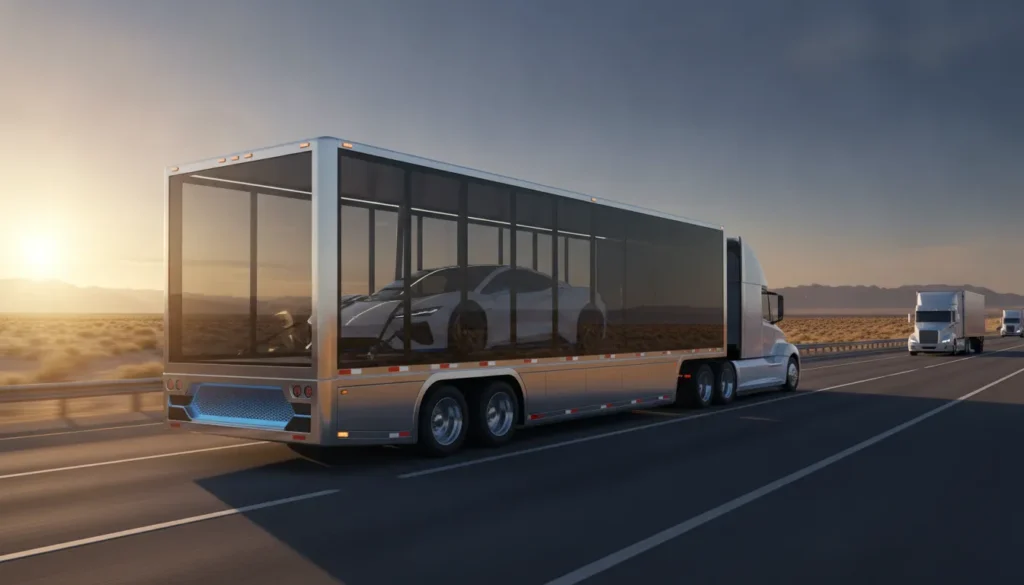
An electric vehicle is not just another car on a trailer: its battery, weight, clearance, software settings, and operating condition can all shape the move. A successful electric car shipping plan starts before pickup, with accurate details that help prevent equipment surprises and support a careful handoff at both ends.
Request a tailored electric car shipping quote today.
This guide explains what EV owners should disclose, how to prepare the vehicle, when open or enclosed transport may fit, and what to inspect at delivery. It also separates practical preparation from assumptions. Requirements can vary by model, condition, route, and assigned carrier, so confirm the final plan before the vehicle is loaded.
Electric car shipping begins with accurate details
A transport quote and loading plan are only as useful as the information behind them. Give the year, make, model, trim, pickup and delivery locations, and desired timing. Then explain anything that changes the EV’s size, weight, ability to move, or battery condition. Early disclosure helps the broker seek an appropriate carrier instead of revising the plan at pickup.
Describe the EV’s operating condition
State whether the car starts, steers, brakes, and rolls normally. Report dashboard warnings, charging faults, flat or damaged tires, and problems releasing the parking brake. An EV that cannot move under its own power may require a winch or other loading arrangements. Do not describe a car as operable if a carrier cannot safely drive it onto and off the trailer.
Known battery damage requires particular care. Tell the broker about collision damage, fire exposure, flooding, water submersion, unusual heat, smoke, odor, leaks, or manufacturer warnings. Do not attempt to charge or move a vehicle that its manufacturer has identified as unsafe. Battery condition should be discussed before dispatch, not discovered when the carrier arrives.
Share dimensions, weight, and modifications
Battery packs can make some EVs heavier than comparable gasoline vehicles. Exact model and trim information helps identify the likely curb weight, but owners should also report modifications. Wide wheels, roof racks, body kits, lift kits, lowered suspension, and aftermarket parts can change the space or equipment needed.
Ground clearance matters because a steep loading angle can put low bumpers, rocker panels, or underbody components at risk. Measure the lowest fixed point if the EV is lowered or unusually low. Explain whether an adjustable suspension can be placed in a loading mode, and provide photos when clearance is difficult to describe.
Explain model-specific controls
Modern EVs can have unusual start procedures, key cards, automatic locks, parking brake controls, alarm settings, and tow or transport modes. Provide clear instructions for unlocking, starting, steering, and placing the vehicle in the correct mode. Make sure the carrier receives a working key, fob, or card and can operate the EV without depending on your phone.
For an overview of the team coordinating the move, learn about Road Runner Vehicle Transports. The right arrangement depends on the actual vehicle and route, so treat general information as a starting point rather than a substitute for a confirmed carrier plan.
Timing deserves the same attention as vehicle condition. Pickup and delivery estimates can be affected by route length, traffic, weather, carrier availability, and legal driving limits. Make sure the contact person at each end can answer the phone and reach the meeting point. If access changes or the EV develops a problem before pickup, tell the broker promptly so the plan can be reviewed.
Keep essential records together in a folder that is easy to reach. Include the quote, booking details, carrier contact information, model-specific operating notes, pickup photos, and signed condition report. Do not leave registration papers, personal identification, payment cards, or irreplaceable items in the car. Organized records help both handoffs proceed efficiently and give you a clear reference if a question arises.
How should you prepare an EV for transport?
Prepare an EV by confirming battery guidance, removing loose property, disabling scheduled features, cleaning the exterior, and documenting its condition. Keep the vehicle accessible and provide a working key. Most importantly, disclose operating problems, modifications, low clearance, and possible battery damage before pickup so the assigned carrier can confirm safe loading arrangements.
Confirm the battery and charging plan
Ask the assigned carrier what battery level it requires, then compare that request with the manufacturer’s transport guidance for the specific model. There is no universal percentage that applies to every EV and every shipment. The vehicle generally needs enough power for loading and unloading, but the final instruction should come from the confirmed plan.
Turn off scheduled charging, cabin preconditioning, alarms, and other automated features if the manufacturer’s guidance and carrier instructions call for it. Avoid making undocumented changes to high-voltage systems. Do not remove the main battery as a routine preparation step. If a battery has been removed or repaired, disclose that fact before booking because it can change how the shipment must be handled.
Clean and document the vehicle
Wash or wipe down the exterior so existing scratches, chips, dents, and scuffs are visible. Take clear, dated photographs in good light. Capture the front, rear, both sides, roof, wheels, glass, lower panels, cabin, odometer, and battery display. Add close and wide images of existing damage so its location is easy to understand later.
A short walkaround video can supplement photos, but it should not replace the written condition report. Keep the original files until the move is complete. At pickup, compare the carrier’s report with your records, correct unclear entries, and save a readable signed copy.

Remove and secure loose items
Remove personal property, toll tags, removable racks, and loose accessories. Discuss charging cables, adapters, and portable connectors with the carrier before leaving them in the car. If the carrier accepts an item, secure it as instructed and record it on the paperwork. Keep a spare key with you rather than storing it inside the EV.
Confirm pickup access as well. The carrier needs enough legal, safe space to approach and load the vehicle. Low branches, narrow streets, gates, parking restrictions, or steep driveways can require a nearby meeting point. Resolve those details before pickup day.
Why do EV weight and ground clearance matter?
EV weight and ground clearance affect carrier capacity, vehicle placement, ramp angle, and loading equipment. Some battery-electric models are heavier or lower than similarly sized vehicles. Giving the exact model, trim, modifications, dimensions, and lowest clearance point helps the broker and carrier evaluate the move before pickup and reduce last-minute changes.
Carrier capacity depends on the complete load
A carrier must account for every vehicle on its trailer. A heavier EV can influence available capacity and placement, even when its exterior size looks ordinary. This does not mean an EV cannot be shipped. It means model and trim details should be accurate when you request the quote, and any weight-changing modification should be disclosed.
Online estimates can help owners understand the factors involved, but a final quote depends on the route, vehicle, timing, service type, condition, and market availability. Road Runner’s vehicle shipping calculator guide explains how shipment details can shape an estimate.
Low vehicles need a suitable loading approach
Loading angles matter when an EV has a low front fascia, side skirt, battery shield, or underbody panel. Share measurements and photos of the lowest points. Tell the broker about damaged suspension, flat tires, lowered settings, or body modifications that could affect loading. Do not assume a standard model specification reflects the current car.
If the EV has adjustable air suspension or a manufacturer transport mode, follow the approved instructions and explain them to the carrier. Do not improvise a setting that conflicts with the owner’s manual. A written model-specific note is more useful than trying to remember a sequence during pickup.
Inoperable EVs require advance planning
An EV may power on yet still be unable to roll, steer, brake, or enter neutral. Describe each limitation precisely. A carrier that expects to drive the car onto a trailer may not have the equipment needed for an inoperable vehicle. Accurate information supports better equipment matching and a more dependable quote.
Get a quote based on your EV’s exact model, condition, and route.
Open vs. enclosed transport for an electric car
Open and enclosed carriers can both move electric cars, but they provide different levels of protection from outside exposure. Open transport is often considered for standard daily-use EVs. Enclosed transport adds trailer walls and a roof, which may appeal to owners of rare, luxury, restored, or delicate-finish vehicles.
Compare the practical differences
| Decision factor | Open transport | Enclosed transport |
|---|---|---|
| Outside exposure | Vehicle is exposed to weather, dust, and road debris | Trailer walls and roof limit outside exposure |
| Common fit | Standard-production and daily-use EVs | Rare, luxury, restored, or delicate-finish EVs |
| Vehicle inspection | Detailed pickup and delivery inspection is essential | Detailed pickup and delivery inspection is essential |
| Loading details | Disclose weight, clearance, condition, and modifications | Disclose weight, clearance, condition, modifications, and interior space needs |
| Primary tradeoff | Accepts normal outside exposure | Adds protection from outside exposure |
Choose based on the specific EV
Open transport can be a practical option when normal road exposure is acceptable. Enclosed transport may fit when limiting that exposure is a priority. Neither method removes the need for accurate battery disclosure, suitable carrier capacity, safe loading, or detailed inspections.
Consider the EV’s finish, value, modifications, clearance, and condition alongside your protection preferences. Ask how the assigned carrier plans to load and secure the vehicle. Confirm the service type and special handling details in writing before pickup.
What happens during pickup and inspection?
At pickup, the owner and carrier review the EV’s visible condition, operating limitations, keys, approved accessories, and special instructions. The carrier records the condition on the bill of lading or inspection report before loading. Owners should review every entry, add missing details, photograph the vehicle, and keep a signed copy.
Review the vehicle together
Meet the carrier with the EV clean, accessible, and ready at the agreed location. Walk around it together in good light. Point out every existing mark, low-clearance area, loose part, modification, warning light, and operating limitation. Compare the report with your photos rather than relying on memory.
Read the condition report before signing. Ask for vague or inaccurate entries to be corrected. Make sure the paperwork notes accessories accepted by the carrier and any important instructions for operating the EV. Save the carrier’s contact information and a clear copy of the signed report.
Provide reliable vehicle access
Hand over the key, fob, or card needed for loading and unloading. Explain unusual controls and provide written model-specific steps when appropriate. If app-based functions are useful, they should not be the carrier’s only way to access or move the car. Keep your spare key and personal documents with you.
Stay available without changing settings remotely
Keep your phone available in case the carrier has a question, but avoid remotely locking the car, activating climate controls, scheduling charging, or changing vehicle settings during transit. If a dashboard alert appears in an app, contact the broker rather than trying an unapproved remote action. Clear communication is safer than guessing.
What should you check when the EV is delivered?
Inspect the EV before the carrier leaves and before signing the final condition report. Compare it with pickup photos and paperwork, then check panels, wheels, glass, keys, approved accessories, charge level, odometer, and dashboard warnings. Record any new issue clearly on the delivery report and save supporting photographs and copies.
Compare delivery condition with pickup records
Use bright, even lighting when possible. Walk around the car and view panels from more than one angle because glare can hide small marks. Check lower bumpers, wheels, glass, mirrors, roof, and other areas recorded at pickup. Match existing marks to the original report and photograph any apparent difference from close and wide views.
Confirm that keys and any carrier-approved charging equipment or accessories are present. Turn on the EV if it is safe to do so, then compare the odometer, charge level, and dashboard warnings with your pickup records. A modest charge change can occur during handling, but an unexplained alert should be documented.
Document concerns before signing
If you identify a new issue, write its exact location and type on the delivery condition report before signing. Avoid vague notes such as “damage found.” Ask the carrier to acknowledge the entry, take clear photos, and keep copies of the pickup report, delivery report, messages, and original image files.
Do not drive or charge an EV if you observe smoke, unusual heat, odor, leaking, severe impact damage, or a serious battery warning. Tell the carrier and broker promptly, keep people away from the vehicle, and follow manufacturer and emergency guidance appropriate to the situation.
Start planning your electric car shipment with a personalized quote.
Electric car shipping FAQ
Can an electric car be shipped on an open carrier?
Yes. Many standard, operable EVs can travel on open carriers when their weight, clearance, condition, and battery status are disclosed before booking. Open transport leaves the vehicle exposed to normal weather, dust, and road debris, so owners should document its condition carefully before pickup.
How much charge should an EV have before shipping?
There is no single charge percentage that fits every EV shipment. Ask the assigned carrier for its requirement and compare it with the vehicle manufacturer’s transport guidance. The battery should have enough charge for loading and unloading without carrying more charge than the approved plan requires.
What EV details should be disclosed before booking?
Share the year, make, model, trim, operating status, ground clearance, modifications, warning lights, charging faults, and any known battery damage. Also report recent collision, fire, flood, or water exposure. Complete details help the broker match the EV with suitable carrier capacity and loading equipment.
What should I inspect when my electric car arrives?
Before signing the final condition report, compare the EV with pickup photos and paperwork. Check panels, wheels, glass, keys, approved accessories, charge level, odometer, and dashboard warnings. Record any new issue clearly on the delivery report and save photos and signed copies.
Plan the move around the vehicle
Reliable electric car shipping depends on accurate disclosure, practical preparation, and careful inspections. Give complete vehicle details, follow model-specific guidance, confirm the assigned carrier’s plan, and keep clear records from quote through delivery. When each decision reflects the actual EV rather than a general assumption, pickup and handoff become easier to manage.
Road Runner Vehicle Transports can help owners discuss service options and shipment details. Review the Road Runner Vehicle Transports website, gather the EV’s exact information, and request a quote when you are ready to plan the route.