
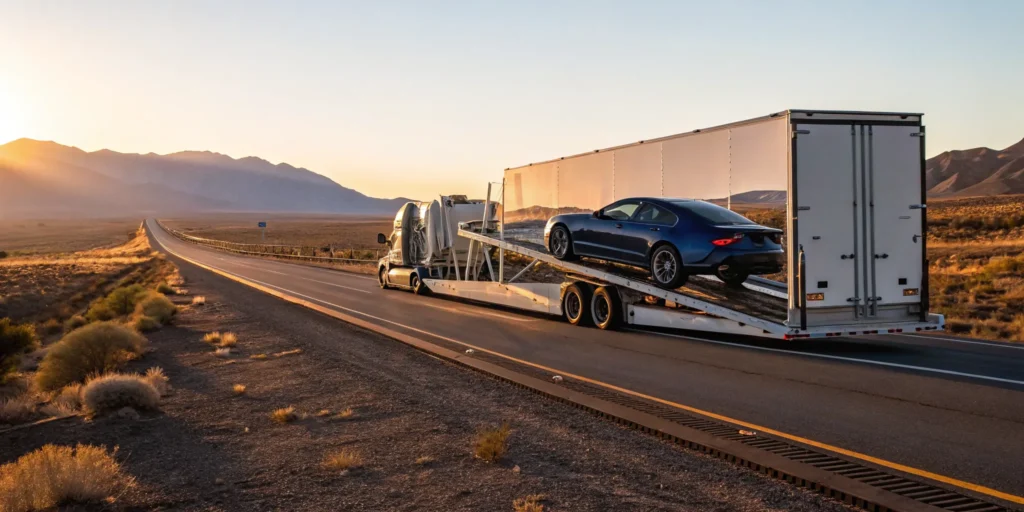
When you hear the term “enclosed auto transport,” you might picture a rare Italian supercar being carefully loaded for a collector’s auction. It’s a common assumption that this service is reserved only for the most exotic and expensive vehicles. But is that really the whole story? The truth is, the benefits of a fully covered carrier—protection from weather, road grime, and potential dings—are valuable for many types of cars. If you’ve put time and love into your vehicle, you deserve to know all your options. We’re here to debunk the myths and give you the real facts about enclosed auto transport from California to Texas, so you can decide if it’s the right choice for your car, not just for a collector’s.
Key Takeaways
- Pick the Right Transport for Your Car: Decide between open and enclosed transport based on your vehicle’s needs. Enclosed carriers offer maximum protection for high-value or classic cars, while open transport is the safe and cost-effective standard for most daily drivers.
- Get Your Car Ready for Pickup Day: A little prep work ensures a smooth handoff. Wash your car, take photos of its current condition, remove all personal items, and make sure the gas tank is only a quarter full. Be present to inspect the vehicle with the driver and carefully review the Bill of Lading before signing.
- Vet Your Transport Company Carefully: The right partner is key to a stress-free shipment. Confirm the company is licensed and insured, check customer reviews on reputable sites like Google and the BBB, and ask about their tracking capabilities and customer support. A trustworthy company will be transparent about its process and credentials.
Enclosed vs. Open Auto Transport: Which Is Right for You?
When you decide to ship your car, one of the first questions you’ll face is whether to use an enclosed or open carrier. Think of it like choosing between flying first class or economy; both get you to your destination, but the experience and level of protection are different. Your choice depends on your vehicle, your budget, and your peace of mind. Let’s break down your two main options so you can pick the one that feels right for your move from California to Texas.
How Enclosed Transport Works
Enclosed auto transport is the VIP treatment for your vehicle. Your car is loaded into a trailer that is fully covered on all sides, protecting it from top to bottom. This means it’s completely shielded from weather like rain and sun, as well as road debris such as dust, rocks, and grime. Because these carriers are sealed, they offer the highest level of security and protection available. This is the safest option for shipping a car, especially over a long distance. Roadrunner offers a variety of transport services to meet your specific needs, ensuring your car gets the exact care it requires.
How Open Transport Works
Open transport is the most common and cost-effective way to ship a car. You’ve likely seen these carriers on the highway; they are long, two-level trailers with cars secured in the open air. While your vehicle is exposed to the elements just as it would be if you were driving it, serious damage is very rare. Your car might arrive a bit dusty from the road, but carriers are professionals who secure vehicles carefully. This method is a reliable and affordable choice for most standard cars, and it’s part of a well-established shipping process that gets millions of cars safely to their destinations every year.
Which Cars Benefit Most from Enclosed Shipping?
While open transport is great for most situations, enclosed shipping is the clear winner for certain vehicles. You should strongly consider an enclosed carrier if you’re shipping a luxury, exotic, classic, or collector car. The added protection is worth the investment for a high-value vehicle. It’s also the best choice if you want to guarantee your car arrives in pristine condition, completely shielded from weather and road salt, which can be a factor during winter months. For a long-distance trip like California to Texas, enclosed transport provides that extra layer of security and peace of mind, letting you rest easy while your car is on the road.
What’s the Real Cost to Ship a Car from California to Texas?
Let’s talk numbers. You’re planning a big move, and you need to know exactly what to budget for shipping your car. While there’s no single price tag, understanding the costs can help you plan with confidence. The final price for shipping a car from California to Texas depends on a few key details, but we can definitely get you a solid estimate. Think of it less as a fixed price and more as a flexible range that you have some control over.
Typical Price Ranges
So, what can you expect to pay? On average, shipping a standard sedan from California to Texas using an open carrier will likely cost between $900 and $1,400. If you’re considering an enclosed carrier for extra protection, the price typically ranges from $1,100 to $2,100. These numbers are a great starting point for your budget. Remember, these are estimates. The final cost will shift based on your specific needs, your vehicle, and the time of year. Think of this range as a baseline to help you compare quotes and find a price that feels right for you.
What Factors Affect Your Quote?
Your final quote isn’t just a random number; it’s calculated based on several important factors. The most obvious one is the type of transport you choose: open carriers are more common and affordable, while enclosed carriers offer maximum protection for a higher price. Your vehicle’s size and weight also play a big role, as a large SUV takes up more space than a compact car. Other details that influence the cost include the time of year (summer is often busier and pricier) and current fuel prices. Understanding the shipping process and the variables involved is the first step to getting a clear and accurate price.
How to Get an Accurate, No-Surprise Quote
The best way to avoid surprises is to get a detailed, personalized quote from a reputable company. Start by using an online calculator to get an instant estimate, but be prepared to provide specific details for the most accurate price. Be upfront about your vehicle’s make and model, any modifications it has, and whether it’s running or not. A trustworthy transport company will provide a clear breakdown of costs with no hidden fees. When you’re ready to get a firm price, reach out for a quote and ask questions. A company that values your business will be happy to walk you through every line item and ensure you feel comfortable with the final price.
Is Enclosed Auto Transport Worth the Investment?
Deciding between open and enclosed auto transport often comes down to one question: is the extra cost worth it? While open transport is a safe and reliable option for most vehicles, enclosed shipping offers a premium level of protection that can be essential for certain cars and situations. Think of it less as an expense and more as an investment in security and peace of mind, especially for a long trip like the one from California to Texas. Let’s look at exactly what that investment gets you.
Protect Your Car from Weather and Road Debris
The journey from California to Texas covers over a thousand miles of diverse terrain and weather. Your car could face intense sun, sudden rainstorms, and dusty winds. With open transport, your vehicle is exposed to all of it. Enclosed auto transport places your car inside a fully covered trailer, shielding it from the elements. This mobile garage protects your paint from sun damage and keeps your vehicle clean from start to finish. It also provides a solid barrier against road debris like gravel, dirt, and other hazards that can get kicked up on the highway, ensuring your car arrives in the same condition it left.
Minimize the Risk of Dings and Scratches
While professional auto transporters are experts at securing vehicles, the open road is unpredictable. On an open carrier, your car is exposed to potential dings from flying pebbles or scratches from road debris. Enclosed shipping significantly lowers this risk. By placing your vehicle inside a hard-sided or soft-sided trailer, you create a protective bubble around it. No shipping method can be 100% damage-proof, but this option is the closest you can get. For a car with a pristine finish, or one that you’ve put a lot of work into, this added layer of defense can make all the difference.
Gain Peace of Mind with Added Security
Shipping a vehicle you care about can be nerve-wracking. You want to know it’s in good hands from pickup to delivery. Enclosed transport offers an unmatched level of security that brings valuable peace of mind. Because your car is hidden from view inside a locked trailer, it’s far less likely to attract unwanted attention. This is especially important for luxury, classic, or high-value vehicles that could be targets for theft or vandalism. Choosing an enclosed carrier means you’re opting for the most secure method available, allowing you to relax knowing your car is protected throughout its journey.
Understand Your Insurance Coverage
All reputable auto transport companies are required to carry cargo insurance to cover potential damage. However, the amount of coverage can vary. Enclosed carriers often carry much higher insurance policies, typically ranging from $250,000 to over $1,000,000, because they frequently transport high-value vehicles. This higher limit provides a crucial safety net for classic, exotic, or luxury cars. Before you book, always ask to see the company’s certificate of insurance and understand the specifics of their coverage policy. This simple step ensures you have the right protection in place and helps you make a confident decision about who to trust with your car.
Common Myths About Enclosed Auto Transport
When you start looking into enclosed auto transport, you’ll likely come across a few common assumptions. It’s easy to see why these ideas stick around, but they don’t always paint the full picture. Let’s clear up some of the biggest myths so you can make a decision based on facts, not fiction. Understanding what’s true and what’s not will help you figure out if this premium service is the right fit for your car and your move from California to Texas.
Myth: It’s Only for Luxury and Exotic Cars
This is probably the most common misconception out there. While enclosed shipping is definitely the top choice for high-end, classic, and exotic vehicles, its benefits aren’t exclusive to them. Think of it this way: enclosed transport offers the highest level of protection from weather, road debris, and potential damage. This service is for anyone who wants that extra peace of mind. Your car doesn’t need a six-figure price tag to be valuable to you. If you’re shipping a custom-painted vehicle, a restored classic, a low-clearance sports car, or simply your daily driver that you want to keep in pristine condition, enclosed transport is a fantastic option.
Myth: It Guarantees Zero Damage
While enclosed transport is the safest way to ship a vehicle, no method can be 100% damage-proof. The reality is that it significantly minimizes the risks. By shielding your car inside a covered trailer, you eliminate the dangers of flying rocks, hail, snow, and other road hazards. It’s the closest you can get to a guarantee. A professional carrier will take every precaution to secure your vehicle properly and handle it with care. The key is to work with a reputable company that has a proven track record and a clear process for handling shipments. This transparency is crucial for your peace of mind.
Myth: All Enclosed Carriers Are the Same
This couldn’t be further from the truth. The quality of service, equipment, and insurance coverage can vary widely from one company to another. For example, all carriers are required to have cargo insurance, but the amount of coverage differs. An open carrier might have a policy covering up to $250,000, whereas a top-tier enclosed carrier often carries insurance from $250,000 to over $1,000,000. When you choose a transport company, you are trusting them with a significant asset. It’s important to look for experienced professionals who specialize in enclosed shipping and can provide proof of their comprehensive insurance.
Myth: It Always Takes Longer
You might hear that enclosed shipping takes more time because there are fewer enclosed trucks on the road. While it’s true that enclosed transport is a more specialized service, it doesn’t necessarily mean your car will be in transit for longer. The main difference might be in the initial pickup window. It can sometimes take a bit longer to schedule an enclosed carrier for your specific route. However, once your car is on its way, the delivery timeline is often comparable to open transport. The best way to manage this is to book your shipment in advance. This gives the company ample time to coordinate the logistics for a smooth and timely delivery.
Your California to Texas Shipment: What to Expect
Once you’ve booked your vehicle transport, you’re probably wondering what happens next. Moving a car from California to Texas is a common route, but knowing the timeline and process can make all the difference. We’ll walk you through the typical delivery window, common routes, how the time of year can impact your shipment, and why a little advance planning goes a long way. Here’s what you can expect for your shipment.
How Long Will It Take?
Shipping a car from California to Texas generally takes about 3 to 5 days. Think of it as a cross-country road trip, but on the back of a professional carrier. This timeframe can shift slightly depending on a few things. For example, pickups from major metro areas like Los Angeles or San Francisco are often quicker to schedule than those in more rural parts of the state. Understanding how it works can help set clear expectations, as factors like the exact drop-off location in Texas, carrier availability, and even weather can add a little extra time to the journey.
Common Routes and Delivery Details
The journey from California to Texas covers roughly 1,500 to 1,700 miles, depending on the specific start and end points. This is a popular and well-established route for auto carriers, with major highways like I-10 and I-40 serving as the main arteries. One of the best parts of our vehicle shipping services is the convenience of door-to-door delivery. This means your driver will pick up and drop off your vehicle as close to your specified addresses as they can safely and legally get. No need to meet at a terminal; we bring your car right to you, making your move that much easier.
How Seasons Can Affect Your Timeline
The time of year you ship your car can influence both the cost and the timeline. Summer is a peak moving season, which means higher demand for carriers. This can sometimes lead to slightly longer waits for pickup and potentially higher rates. Conversely, shipping during the off-season might get you a better price. Winter weather, like snow or ice along northern routes, can also cause occasional delays, but our experienced drivers are pros at handling these conditions safely. We always keep you informed, but it’s helpful to keep the season in mind when you’re planning your shipment.
Why You Should Book in Advance
We recommend scheduling your shipment about two to three weeks before your desired pickup date. Booking in advance gives us the flexibility to find the perfect carrier for your specific route and secure your spot at the best possible rate. It takes the stress out of last-minute scrambling, especially during busy seasons. Of course, we understand that life happens and sometimes you need to move a car on short notice. We offer expedited shipping options for those situations. For the smoothest and most cost-effective experience, though, a little planning is your best friend. Ready to get started? You can contact us today to get your shipment scheduled.
How to Choose the Right Enclosed Transport Company
Choosing a company to ship your car is a big decision. You’re not just moving a vehicle; you’re trusting someone with a valuable asset. When you opt for enclosed transport, the stakes feel even higher. You want a partner who understands the care your car deserves and has the expertise to deliver it safely. The right company will be transparent, communicative, and professional from the first quote to the final handshake. To find that perfect match, focus on a few key areas: their credentials, their reputation, their communication process, and their flexibility. Taking the time to vet these aspects will help you feel confident that your car is in the best possible hands. It’s about finding a company that offers more than just a service, but also provides genuine peace of mind.
Verify Licensing and Insurance
Before you go any further with a company, make sure they are properly licensed and insured. This is the absolute baseline for any legitimate auto transport carrier. Every company is required to have cargo insurance to cover potential damage during transit. For enclosed carriers, this coverage is often much higher to protect the high-value vehicles they transport, typically ranging from $250,000 to over $1,000,000. Don’t be shy about asking for proof of their insurance certificate. A reputable company will have this information readily available. This isn’t just red tape; it’s your financial protection and the first sign that you’re dealing with a professional operation.
Research the Company’s Reputation and Experience
A company’s history can tell you a lot about its future performance. Look for a transport provider with a long-standing reputation for quality service. How long have they been in business? Do they specialize in enclosed transport or specific routes like California to Texas? Check out their ratings on trusted sites. For example, many top-tier companies have a high rating from the Better Business Bureau (BBB) and consistently positive customer reviews. While a perfect record is rare, you’re looking for a pattern of satisfied customers and professional responses to any issues that arose. A company with deep experience and a great reputation is more likely to provide a smooth, worry-free shipping process.
Ask About Real-Time Tracking and Customer Support
Knowing where your car is at all times can take a huge weight off your shoulders. Ask potential companies about their tracking capabilities. Many top providers now offer 24/7 online tracking with a unique booking number, allowing you to follow your vehicle’s journey from your phone or computer. Just as important is the quality of their customer support. If you have a question or concern, how easy is it to reach a real person? A reliable company will have a dedicated support team ready to assist you. This combination of technology and human support is key to a transparent and stress-free experience.
Confirm Scheduling Flexibility
Your timeline is important, and a good transport company will work to accommodate it. When you request a quote, be clear about your ideal pickup and delivery dates. At the same time, ask about their scheduling process. Some companies offer a price break if you can provide a wider pickup window, as this allows them to optimize their routes more efficiently. For instance, being flexible with a 5-day window can sometimes lower your cost. A customer-focused company will explain all your options and help you find a solution that balances your schedule and budget, making the entire shipping process feel collaborative and straightforward.
How to Read Customer Reviews Like a Pro
Choosing a transport company is a big decision, and customer reviews are a powerful tool in your research. But not all reviews are created equal. Going beyond the star rating to understand the context behind the feedback will give you a much clearer picture of what you can expect. Learning to spot the difference between a helpful, detailed account and a vague, emotional one will help you find a company that truly values its customers and their vehicles.
At Roadrunner, we believe in transparency and are proud of our reputation for exceptional care. Knowing how to read reviews effectively helps you confirm that you’re partnering with a company that aligns with your standards for quality and service.
What to Look for in a 5-Star Review
A glowing five-star review feels reassuring, but the most valuable ones are packed with details. Look for comments that go beyond a simple “great service.” A truly helpful review will mention specifics, like the driver’s professionalism, clear communication throughout the journey, or the car arriving in perfect condition. Research shows that most people trust online reviews as much as personal recommendations, especially when they contain these kinds of details.
Also, pay attention to patterns. When you see multiple positive reviews highlighting the same strengths, such as consistent on-time delivery or friendly customer support, it’s a strong indicator of a reliable company culture. A single great review is nice, but a consistent theme of excellence is what you should be looking for.
Spot the Red Flags in Negative Reviews
Just as with positive reviews, the details matter when you’re looking at negative feedback. Be cautious of reviews with vague complaints like “worst experience ever” that don’t explain what actually happened. A legitimate complaint will usually include specifics about the issue, whether it was a communication breakdown, a scheduling problem, or a delivery delay. These details can give you insight into potential challenges.
It’s also wise to be skeptical of reviews that use overly dramatic or emotional language. While a frustrating experience is valid, reviews filled with excessive anger or personal attacks can sometimes reflect personal biases more than an objective account of the service. Focus on the reviews that calmly and clearly state the problem and how (or if) the company tried to resolve it.
Where to Find Reviews You Can Trust
To get a well-rounded view of a company’s reputation, it’s best to check a few different sources. Reputable, third-party platforms are a great place to start. The majority of people will check reviews on Google before choosing a business, making it a valuable resource. The Better Business Bureau (BBB) is another excellent site for checking ratings and complaint histories.
Don’t stop there. You can often find candid, real-time feedback on social media platforms and in online automotive forums. These communities allow you to see unfiltered conversations and even ask questions directly to people who have used the service. This user-generated content can provide an extra layer of confidence as you finalize your decision.
Get Your Vehicle Ready for Transport
Once you’ve booked your shipment, a little preparation goes a long way in making sure everything goes smoothly. Taking a few simple steps before the carrier arrives will protect your vehicle and give you peace of mind. Think of it as setting your car up for a successful trip. From a quick clean-up to knowing what to do on pickup day, here’s exactly how to get your vehicle ready for its journey.
Clean and Document Your Car’s Condition
Before handing over your keys, give your car a thorough wash. A clean vehicle makes it much easier for you and the driver to spot and note any existing dings, scratches, or scuffs. Once it’s sparkling, grab your phone and play photographer. Take clear, well-lit pictures of your car from every angle: front, back, both sides, and the roof. Don’t forget to get close-ups of any pre-existing damage. You’ll also want to snap a photo of the odometer to record the mileage and one of the Vehicle Identification Number (VIN), usually found on the driver’s side dashboard or door jamb. This creates a solid visual record of your car’s condition before it begins our shipping process.
Remove Personal Items and Check the Fuel Level
Make sure to clear out all personal belongings from your car. This includes everything from sunglasses and phone chargers to documents in the glove box and gear in the trunk. Transport companies are not responsible for personal items left inside, so it’s best to remove anything you wouldn’t want to lose. You can check our FAQ’S for specific details on what can and cannot be shipped in your vehicle. Also, check your gas tank. You only need about a quarter tank of fuel for the transport. Any more than that adds unnecessary weight and can be a safety concern. A lighter car is a safer car to ship.
What to Expect on Pickup and Delivery Day
On pickup day, you or a trusted adult needs to be present to meet the driver. Together, you will inspect the vehicle and complete a report called the Bill of Lading. This document is your official record of the car’s condition before transport. Review it carefully to ensure it accurately lists any existing scratches or dents you documented earlier. Do not sign the Bill of Lading until you are completely satisfied that it is accurate. The same process happens at delivery, where you’ll inspect the car again before signing off. This step is your most important protection and a standard part of our professional transport services.
Ship Your Car from CA to TX with Confidence
Shipping your car all the way from California to Texas is a big move, and it’s natural to want assurance that your vehicle will arrive safely. The key to a stress-free experience is understanding your options so you can make the best choice for your car and your budget. When it comes to auto transport, you’ll primarily choose between enclosed and open carriers, each offering distinct advantages for the long journey.
If you’re moving a classic, luxury, or high-value vehicle, enclosed transport provides top-tier protection. Your car is secured inside a covered trailer, completely shielded from weather like sun and rain, as well as road debris that can cause dings or scratches. While this premium service typically costs 30% to 60% more than open transport, the peace of mind it offers is often worth the investment. For a vehicle you cherish, the added security of an enclosed carrier is a smart choice for a cross-country trip.
On the other hand, open transport is the industry standard for a reason. It’s a safe, reliable, and highly cost-effective method used to ship millions of cars every year, including brand-new vehicles heading to dealerships. For most daily drivers, open transport is an excellent option that gets your car to its destination securely and affordably. Ultimately, whether you select the premium protection of an enclosed trailer or the efficiency of an open one, partnering with a dependable company is what matters most. Our goal is to provide a transparent and smooth process, which is why so many customers choose us for their vehicle shipping needs.
Related Articles
- Enclosed Carrier Car Shipping: The Ultimate Guide
- Open Transport Car Shipping: Pros, Cons & Costs
- Open Transport Car Shipping: A Complete Guide
- Top Auto Shipping Companies in California Reviewed
- 5 Best Auto Shipping Companies in Texas (Reviewed)
Frequently Asked Questions
How do I decide between open and enclosed transport if my car isn’t a classic or luxury vehicle? This is a great question, and it really comes down to your personal preference for protection. While open transport is very safe for a standard car, enclosed transport is like buying travel insurance for your vehicle’s appearance. If you want to guarantee your car arrives in the exact same clean, pristine condition it left in, completely shielded from road grime and weather, then enclosed is the way to go. It’s an investment in peace of mind, no matter your car’s price tag.
Can I pack personal items in my car to save on moving costs? I know it’s tempting to use your car as a moving container, but you should not pack personal items in your vehicle for transport. Carrier insurance does not cover personal belongings, so anything left inside is at your own risk. More importantly, extra items add weight, which can create safety issues and may violate transport regulations. It’s best to ship your car completely empty to ensure a smooth and secure journey.
What is the Bill of Lading, and why is it so important? Think of the Bill of Lading as the most important document in the entire shipping process. It’s a detailed inspection report that you and the driver complete together at both pickup and delivery. This document officially records your car’s condition, noting any existing scratches or dings before it gets on the truck. Carefully reviewing and signing it protects both you and the carrier, as it serves as the official proof of your vehicle’s condition throughout its trip.
How far in advance should I book my shipment, and what if I need to ship my car last minute? For the best rates and the most scheduling flexibility, I recommend booking your transport about two to three weeks before you need your car picked up. This is especially true during peak seasons like the summer. However, we understand that life can be unpredictable. If you’re in a time crunch, expedited shipping is available. Just let us know your situation, and we will work to find a solution that meets your timeline.
What happens if my car is damaged during transport? While damage is very rare, all professional carriers are required to have cargo insurance for this exact reason. If you notice any new damage upon delivery, you must note it on the Bill of Lading before you sign it. This is the crucial first step. After that, you will be able to file a claim directly with the carrier’s insurance to cover the cost of repairs. This is why we stress the importance of choosing a reputable, fully insured company.