
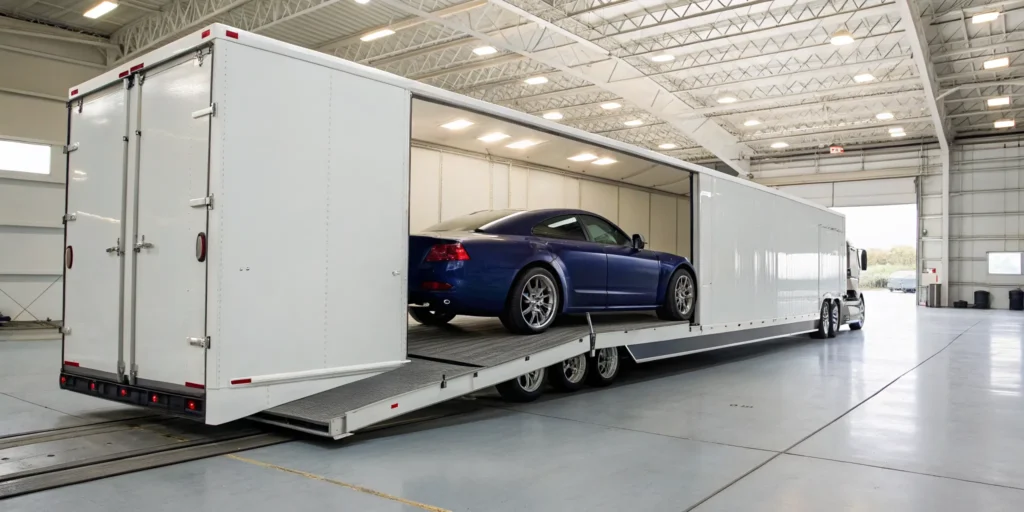
Think of it as first-class travel for your car. While standard open transport is like flying coach—safe and effective for most—enclosed shipping is the private suite experience. Your vehicle travels in its own secure, protected space, completely shielded from the outside world. This method is designed for cars that need extra care, whether it’s a classic with delicate paint, a luxury model with low clearance, or simply a vehicle you want to keep in pristine condition. We’ll cover all the details of enclosed carrier car shipping, helping you understand why this premium service provides unmatched peace of mind for your most valuable assets.
Key Takeaways
- Shield Your Car From All Risks: Enclosed shipping places your vehicle inside a fully covered trailer, offering complete protection from weather, road debris, and potential theft, which is ideal for any car that needs extra care.
- Understand the Value Behind the Price: The higher cost reflects a premium service that includes specialized handling and maximum security, making it a worthwhile investment to preserve your car’s condition and give you total peace of mind.
- Plan Ahead for a Seamless Process: Booking your shipment in advance is important due to limited availability, and taking simple steps like cleaning your car and removing personal items helps guarantee a smooth and efficient handoff.
What Is Enclosed Car Shipping?
If you’re looking for the highest level of protection for your vehicle during transport, enclosed car shipping is the answer. Simply put, it means your car travels inside a trailer that is completely sealed off from the outside world. Think of it as a private, mobile garage for your car while it’s on the road. This method shields your vehicle from all sorts of potential hazards, including bad weather like rain, hail, and harsh sun, as well as road debris like rocks, dust, and dirt that can cause scratches or dings.
This premium service is designed for anyone who wants extra peace of mind. Whether you’re shipping a classic car, a luxury vehicle, a custom-built motorcycle, or just your beloved daily driver, an enclosed carrier ensures it arrives in the exact same condition it left in. At Roadrunner, we provide tailored solutions to fit your specific needs, making sure your vehicle gets the white-glove treatment it deserves from start to finish. It’s the ideal choice for protecting your investment and ensuring a worry-free shipping experience.
How Does It Work?
The process for enclosed shipping is straightforward and designed for your convenience. Once you book your transport, we’ll establish a pickup window, which is typically a flexible 2-5 day timeframe. This allows our drivers to create the most efficient and safe routes. When the carrier arrives, your vehicle will be carefully loaded into the enclosed trailer, often using a hydraulic lift gate to prevent any strain on the car’s undercarriage.
Inside the trailer, your car is securely fastened to prevent any movement during transit. Because it’s one of only a few vehicles in the trailer, it gets more individualized attention. This entire shipping process is built around providing a higher level of security and protection, ensuring your car is completely sheltered until it reaches its destination.
Enclosed vs. Open Carrier: What’s the Difference?
You’ve probably seen open carriers on the highway. They are the double-decker trailers, often carrying up to ten cars at a time, all exposed to the open air. This is the standard, most common method of shipping a car, and it’s a reliable option for many vehicles. The key difference between open and enclosed transport is exposure. An open carrier leaves your car vulnerable to the same elements it would face if you were driving it yourself: rain, sun, dust, and road debris.
While open transport is generally safe, enclosed shipping offers a complete shield. If your car is a rare classic, a high-end luxury model, or holds significant sentimental value, the added protection of an enclosed carrier is often worth it. It’s a common misunderstanding that both methods offer the same level of protection; they don’t. Enclosed transport is a specialized service for those who want to eliminate the risks of the open road.
Why Ship Your Car in an Enclosed Carrier?
Choosing how to ship your car is a big decision. While open carriers are a popular and reliable choice for many vehicles, enclosed shipping offers an entirely different level of service. Think of it as first-class travel for your car. If you own a vehicle that needs extra care, whether it’s a classic, a luxury model, or just your pride and joy, enclosed transport provides unmatched protection and security. Let’s look at the key reasons why this premium service might be the perfect fit for you.
Protect Your Car From the Elements
Imagine your car traveling in its own personal garage on wheels. That’s essentially what enclosed car shipping provides. Your vehicle is completely shielded inside a covered trailer, safe from everything the road can throw at it. This means no worrying about rain, snow, hail, or harsh sun fading the paint. More importantly, it’s protected from road debris like rocks, gravel, and dirt that can cause chips and scratches. When you choose one of our enclosed transport services, your car arrives in the exact same pristine condition it was in when it was picked up.
Get Top-Tier Security
Beyond protecting your car from the elements, enclosed shipping offers a significant security advantage. Since your vehicle is completely hidden from view inside the trailer, it’s far less likely to attract unwanted attention. This privacy is a major deterrent against potential theft or vandalism during transit stops. Many enclosed carriers are also equipped with advanced security features like GPS tracking, allowing you to monitor your car’s journey. This added layer of security gives you total peace of mind, knowing your valuable asset is safe and sound from pickup to delivery.
The Best Choice for High-Value Cars
If your car is an investment, a classic beauty, or a high-performance machine, enclosed shipping is the gold standard. This service is specifically designed for luxury cars, exotic models, antique vehicles, and sports cars that require the highest level of protection. It’s the VIP method of auto transport, ensuring that vehicles with delicate paint, low ground clearance, or unique features are handled with specialized care. When you have a car that’s more than just a way to get around, you want a shipping partner who understands its value. That’s why so many customers trust us with their most prized possessions.
How Much Does Enclosed Shipping Cost?
Let’s talk numbers. While every shipment is unique, you can generally expect enclosed car shipping to cost between $1,000 and $3,000. The final price tag depends heavily on the distance of your trip and the type of vehicle you’re moving. Think of it like this: the cost per mile usually goes down the farther your car travels. For a shorter trip of about 250 miles, you might see a rate around $1.24 per mile. But for a cross-country journey of over 2,000 miles, that rate could drop to as low as $0.57 per mile. Our shipping process is designed to find the most efficient route for you, which helps keep these costs competitive. The best way to get a precise number is to get a custom quote, but these figures give you a solid starting point for your budget.
Understanding the Price Tag
You might see the higher price and wonder if it’s worth it. For many car owners, the answer is a definite yes. Enclosed transport is the gold standard for shipping luxury, classic, exotic, or brand-new vehicles. It’s a smart investment in protecting your car from road debris, harsh weather, and other potential hazards during transit. When you weigh the cost of the service against the potential cost of repairs or a decrease in your car’s value, enclosed shipping often proves to be the more cost-effective choice. You’re not just paying for transport; you’re paying for total peace of mind.
What Factors Influence the Cost?
Several key elements play into your final quote. First, enclosed transport has a higher upfront cost than open transport because it’s a specialized service. There are also fewer enclosed carriers available, which can impact pricing based on demand. To get the best rate, it helps to be flexible. Most car transporters, including us, work with a two-to-five-day pickup window. This flexibility allows dispatchers to plan the most efficient routes, grouping shipments together and ultimately saving you money. Planning ahead is one of the best ways to manage your vehicle shipping costs.
What to Expect When You Ship Your Car
Once you’ve booked your enclosed transport, you might be wondering what happens next. The process is more straightforward than you might think, especially when you work with a reliable partner. From the moment the carrier arrives to the final handshake at delivery, knowing the key steps can give you valuable peace of mind. We’ll walk you through the typical timeline, the all-important inspection process, and how you can keep tabs on your car while it’s on the road.
From Pickup to Delivery: The Timeline
Patience is key when it comes to scheduling your pickup. Most car transporters need a flexible 2 to 5 day pickup window. This isn’t because they’re disorganized; it’s actually the opposite. This window gives carriers enough time to optimize their routes, which helps keep costs down and can even lead to a faster delivery for you. Being clear and realistic with your availability allows your transport provider to plan more efficiently. Once your car is on its way, the delivery timeline will depend on the distance of the trip. A cross-country journey will naturally take longer than a regional one, but your shipping partner will provide you with an estimated delivery date.
The Pre-Shipment Inspection
Before your car is loaded onto the carrier, the driver will conduct a thorough inspection with you. This is a critical step in the shipping process. Together, you’ll walk around the vehicle and document its current condition on a form called the Bill of Lading (BOL). You’ll note any existing scratches, dings, or dents. This creates a clear record before the journey begins. Professional enclosed car hauling companies document vehicle inspections before and after transport to ensure your car is protected from pickup to delivery. Think of it as a “before” photo that protects both you and the carrier.
Staying in the Loop with Tracking
It’s completely normal to want to know where your car is during its journey. Selecting a reliable car shipping company is the best way to ensure a smooth and stress-free experience. Reputable companies understand this and offer ways for you to stay informed. Many provide tracking updates or direct contact with the driver so you can get real-time information. At Roadrunner, we believe in clear communication and are always available to answer your questions. Our commitment to exceptional customer care means you’ll never feel left in the dark while your vehicle is in our hands.
How to Choose the Right Enclosed Carrier
Finding the right enclosed carrier is about more than just booking a truck. You’re trusting someone with a valuable asset, so it pays to do a little research to find a partner you can count on. When you’re comparing companies, focus on three key areas: their insurance coverage, their reputation among past customers, and their specific experience with cars like yours. Getting clear answers on these points will help you hand over your keys with total confidence.
Check Their Insurance Coverage
First things first, let’s talk about insurance. Any professional auto transport company will have it, but the details of the coverage can vary. Don’t be shy about asking for proof of insurance and understanding exactly what the policy covers. You’ll want to know the coverage limit and if there’s a deductible. A reliable carrier provides full insurance and has a clear, straightforward process for handling claims, just in case. This process starts with the vehicle inspection report completed at pickup, which documents your car’s condition before it even rolls onto the truck. This ensures your car is protected from the moment it leaves your hands until it’s safely delivered. You can learn more about how vehicle transport insurance works to protect your investment.
Read Reviews and Check Their Reputation
Think of online reviews as a direct line to past customers. Reading through them is one of the best ways to get a feel for a company’s reliability and the quality of their service. Look for reviews on independent sites like Google and the Better Business Bureau to get a balanced picture. Pay attention to patterns. Are customers consistently praising the company’s communication and on-time delivery? Or are there repeated complaints about hidden fees or damage? A company with a strong track record will have a history of positive feedback that speaks for itself. A great reputation is built on trust and consistent, high-quality service, so it’s worth taking the time to see what others are saying.
Look for Experience with Specialty Cars
If you’re shipping a classic, luxury, or custom vehicle, you need a carrier that understands its unique requirements. Enclosed shipping is specifically designed to keep these special vehicles in pristine condition, but the equipment is only half the equation. The driver’s skill is just as important. Experienced drivers are trained to handle vehicles with low clearance, use hydraulic lift gates properly, and secure cars without causing any strain on the frame or body. When you speak with a potential carrier, ask about their experience shipping vehicles similar to yours. A company that specializes in enclosed transport will be happy to share their expertise and give you peace of mind.
How to Prep Your Car for Shipping
Once you’ve booked your shipment, it’s time to get your car ready for its journey. Taking a few simple steps before the carrier arrives helps ensure a smooth experience from start to finish. This preparation is key to a successful transport and protects your vehicle along the way. Following a quick checklist prevents delays and gives you peace of mind, knowing you’ve done your part to set your car up for a safe trip.
Clean Your Car and Gather Documents
Giving your car a good wash before pickup is one of the most important things you can do. This isn’t about making it look pretty for the driver; it’s about making the pre-shipment inspection accurate. When your car is clean, it’s easy for you and the carrier to walk around it and note any existing dings, scratches, or scuffs on the Bill of Lading. This document is your record of the car’s condition before it’s loaded onto the truck. You’ll also want to gather your vehicle’s registration and insurance documents. Having them ready will make the handover process quick and efficient, which is a key part of how our process works.
Remove All Personal Belongings
Before you hand over the keys, make sure to clear out all personal items from your car. This includes everything from phone chargers and sunglasses to documents in the glove box and items in the trunk. Carrier insurance doesn’t cover personal belongings, so if anything were to get lost or damaged, it wouldn’t be covered. Removing these items also reduces the overall weight of your vehicle and prevents things from shifting around and potentially causing damage to your car’s interior during transit. It’s a simple rule that protects both your valuables and your vehicle, so it’s best to leave the car completely empty.
A Quick Mechanical Check-Up
You don’t need to be a mechanic for this part, but a few quick checks will make sure your car is ready to go. First, check your gas tank. It should be about a quarter full, which is enough fuel for the driver to load and unload your vehicle without adding unnecessary weight. Next, ensure your tires are properly inflated and check for any fluid leaks. If your car has any mechanical quirks, like a tricky starter or a sensitive alarm, be sure to let the driver know. This information helps them handle your car safely and correctly. For more details on what to expect, you can always check our company FAQs.
Common Myths About Enclosed Shipping, Debunked
When you start looking into enclosed car shipping, you’ll likely come across a few common assumptions. Some of these ideas can make this premium service seem out of reach or unnecessary, but they don’t always paint the full picture. Let’s clear the air and look at some of the biggest myths about enclosed transport. Understanding the reality will help you decide if it’s the right fit for shipping your vehicle.
Myth: It’s Too Expensive
Let’s be direct: enclosed shipping costs more than an open carrier. But thinking of it as “too expensive” misses the point. It’s better to see the higher price as an investment in protection. For valuable vehicles, whether in price or sentiment, the extra cost is a small price to pay for peace of mind. Enclosed transport is especially cost-effective when shipping luxury, classic, or new cars. The cost of fixing a single dent or scratch from road debris could easily exceed the price difference.
Myth: It’s Only for Supercars
It’s easy to picture an enclosed carrier filled with exotic supercars, but that’s not the only type of vehicle that benefits from this service. Any car that holds special value for its owner is a great candidate, including restored classics, vehicles with custom paint, motorcycles, and family heirlooms. A common misunderstanding is that open carriers offer the same protection, but they leave your vehicle exposed. If you want your car to arrive in the exact condition it left, enclosed shipping is a smart choice, regardless of sticker price. Our transport services are designed for any vehicle needing extra care.
Myth: It’s Overkill for Most Cars
Some people see enclosed shipping as an unnecessary luxury, but for many situations, it’s a practical choice. If you’re moving across the country through areas with harsh weather, an enclosed trailer protects your car from snow, hail, and intense sun. Enclosed transport is also designed to keep vehicles in tip-top shape, which is essential after a new paint job or restoration. Ultimately, it comes down to your personal preference and how much risk you’re comfortable with. For many owners, knowing their car is completely shielded isn’t overkill; it’s just smart planning.
Potential Challenges to Keep in Mind
Choosing enclosed shipping is a fantastic way to protect your vehicle, but like any specialized service, it has a few unique considerations. Being aware of these details ahead of time can make the entire process feel seamless and straightforward. Think of it less as a list of problems and more as a guide to planning for a smooth, successful transport. When you know what to expect, you can work with your shipping partner to handle all the logistics like a pro.
Scheduling and Availability
Because enclosed carriers offer a premium, specialized service, there are fewer of them on the road compared to standard open carriers. This means their schedules can fill up quickly. If you’re planning a move or need your car to arrive by a specific date, booking in advance is your best strategy. Shipping a car is often part of a bigger life event, and the last thing you want is added stress from a last-minute scramble. By planning ahead, you can secure your spot and get the dates that work for you. You can learn more about our process to see how easy it is to get started.
Pickup and Delivery Logistics
Enclosed trailers are large vehicles, similar in size to a full semi-truck. Their size can make it difficult to drive down narrow residential streets or navigate tight corners. For this reason, you may need to be a bit flexible with your pickup and delivery location. It’s common to meet the driver in a large, open area nearby, like a shopping center parking lot, where they can safely load or unload your vehicle. Most transporters also require a pickup window of a few days to give the driver enough flexibility to manage their route efficiently. If you have any concerns about your location, it’s always a good idea to discuss them when you contact us for a quote.
Is Enclosed Shipping Right for You?
Deciding between open and enclosed shipping comes down to your car, your budget, and your peace of mind. While open transport is a safe and popular option for most vehicles, enclosed shipping offers a premium level of protection that some car owners need. If you’re on the fence, thinking through a few key points can help you make the right call for your specific situation. It’s all about matching the service to the value and needs of your vehicle.
When to Choose Enclosed Shipping
Enclosed shipping is the VIP treatment for your car. Think of it as a private suite on wheels. This option is ideal if you own a luxury, classic, exotic, or high-value vehicle that requires maximum protection. The fully covered trailer shields your car from everything the road can throw at it, including rain, snow, dust, and debris. If you’re shipping a brand-new car from the dealership or a custom-painted show car, enclosed transport ensures it arrives in pristine condition. It’s the best choice when you want to eliminate any risk of external damage during transit and ensure your investment is completely secure.
Weighing the Cost vs. the Peace of Mind
Let’s be direct: enclosed shipping costs more than open transport. However, it’s important to view this as an investment in protection and peace of mind. For a high-value vehicle, the extra cost is a small price to pay to avoid potential damage from weather or road hazards, which could lead to expensive repairs. This premium service essentially buys you confidence, knowing your car is shielded in a secure, protected environment from pickup to delivery. When you choose a transport partner, you’re trusting them with a significant asset. For many, the assurance that their car will arrive flawless is well worth the higher price tag.
Frequently Asked Questions
How much more does enclosed shipping cost compared to open transport? While there’s no fixed percentage, you can generally expect enclosed shipping to be about 30% to 60% more expensive than a standard open carrier. This price difference covers the specialized, fully-covered equipment and the higher level of insurance and security provided. You’re paying for a premium service that offers complete protection from weather and road debris, which is a worthwhile investment for a high-value or sentimental vehicle.
How far in advance do I need to book my enclosed shipment? It’s a good idea to book your enclosed transport at least two to three weeks ahead of time, especially if you’re shipping your car across the country or have a firm deadline. Because there are fewer enclosed carriers on the road, their schedules fill up more quickly. Planning ahead gives you the best chance of securing a spot that fits your timeline and helps the carrier plan the most efficient route.
Can I pack personal items in my car to save on moving costs? It’s best to ship your car completely empty. Transport companies are not licensed to carry household goods, and their insurance does not cover any personal belongings left inside your vehicle. Removing your items also prevents them from shifting during transit, which could damage your car’s interior, and it keeps the vehicle’s weight down for the carrier.
Is enclosed shipping only for expensive supercars? Not at all. While it’s the standard for luxury and exotic cars, enclosed transport is a great choice for any vehicle that you want to keep in pristine condition. This includes classic cars, restored vehicles, cars with custom paint jobs, or even a family car that holds a lot of sentimental value. If you want to ensure your car is completely shielded from the elements and arrives without a scratch, enclosed shipping is the right fit.
What happens if the large enclosed truck can’t get to my house? This is a common situation, and drivers are very experienced in handling it. Enclosed carriers are quite large and often can’t safely drive down narrow residential streets. If this is the case for your location, the driver will coordinate with you to meet at a nearby safe and accessible spot, like a large shopping center or a wide, open street, to load or unload your vehicle.