
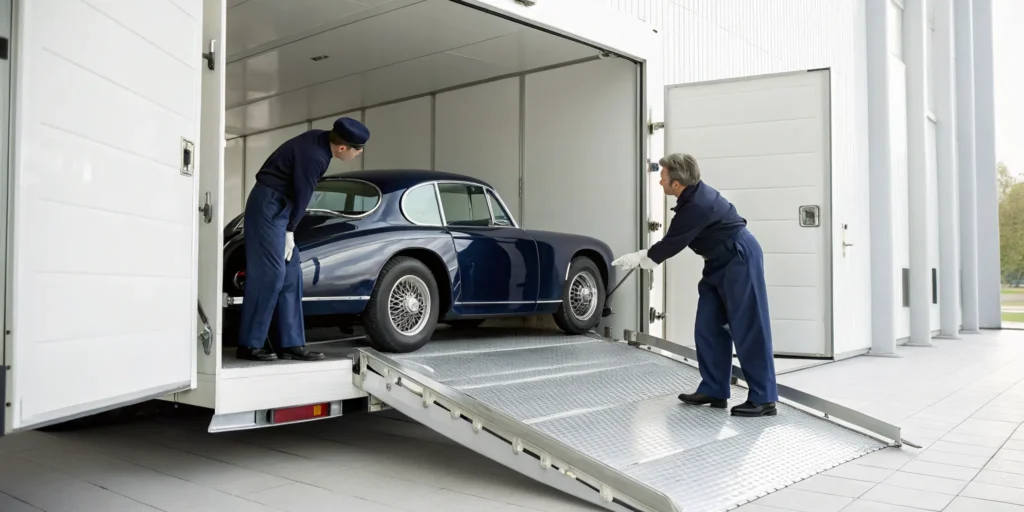
Classic cars need more than a standard vehicle shipping plan. Paint, trim, original parts, low clearance, and vehicle value all make the transport decision more important. The right classic car shipping services should protect the vehicle, document its condition, match it with an appropriate carrier, and give you a clear quote path before pickup is scheduled.
Road Runner Vehicle Transports helps customers coordinate vehicle shipping through open, enclosed, door-to-door, and expedited options. For classic, collector, luxury, and show vehicles, enclosed transport is often the strongest fit because it shields the car from weather, road debris, and extra exposure during transit.
Request a classic car shipping quote or call 888-430-5866 to discuss the vehicle, route, timing, and protection level that makes sense for your shipment.
What Classic Car Shipping Services Include
Classic car transport starts with a conversation about the vehicle and the route. A 1960s convertible, a restored muscle car, a collector coupe, and a luxury weekend car can all require different handling. Important details include the year, make, model, value range, running condition, ground clearance, modifications, pickup location, delivery location, and desired timing.
A complete shipping plan should also identify whether the vehicle is best suited for open transport or enclosed transport. Open transport is the most economical option for many standard vehicles, but a classic car owner may want added protection. Enclosed transport places the vehicle inside a covered trailer, reducing exposure to rain, sun, dust, gravel, and road debris.
Road Runner coordinates vehicle transport services across several service types, including open and enclosed transport options, door-to-door delivery, and expedited shipping when timing is a priority.
Why Enclosed Transport Is Often the Right Choice
Enclosed transport is commonly recommended for classic cars because the vehicle is protected inside a covered carrier. That extra protection matters when a car has original paint, custom paint, rare trim, restored chrome, soft tops, exposed interior materials, or hard-to-replace parts.
Classic car owners also tend to care about limiting unnecessary handling. A thoughtful enclosed transport plan can help align the carrier type, loading method, and timing with the needs of the vehicle. The goal is not just to move the car from one place to another. The goal is to reduce avoidable risk from pickup through delivery.
Open vs. Enclosed Transport for Classic Cars
Open transport can be a practical option for daily drivers and budget-focused shipments. The vehicle is secured on an open trailer and transported with other cars. It is typically less expensive because open carriers are more widely available and can move more vehicles at once.
Enclosed transport costs more because covered trailers have limited capacity and specialized demand. For a classic car, the added cost can be justified by the protection from weather, road debris, and public exposure. If the vehicle is rare, recently restored, high value, sentimental, or headed to a show, enclosed transport is usually worth serious consideration.
When a Covered Carrier Is Worth the Added Cost
A covered carrier is often worth the added cost when the car has high monetary or personal value. It is also a smart choice when the route includes long highway mileage, unpredictable weather, or a tight delivery requirement for an event, auction, sale, or relocation.
The best way to decide is to compare the savings from open transport with the risk tolerance you have for the vehicle. For many owners, a classic car is not interchangeable inventory. It may represent years of work, a family story, or a carefully preserved investment. That is exactly when a higher-protection shipping method can make sense.
How Classic Car Transport Pricing Works
Classic car shipping pricing is quote based because each shipment has different variables. Distance matters, but it is only one part of the estimate. Carrier availability, pickup and delivery locations, vehicle size, vehicle condition, enclosed vs. open service, and timing can all change the final quote.
For a deeper overview of pricing inputs, see this guide to vehicle shipping cost factors. A calculator or estimate can help you plan, but a custom quote is still the best way to account for the exact vehicle and route.
Route, Distance, and Carrier Availability
Longer routes usually cost more in total, but the cost per mile can vary by lane. Popular routes with strong carrier availability may price differently than remote pickups or deliveries. If a carrier needs to travel far from a main route to reach the vehicle, that can affect cost and scheduling.
Exact addresses also matter. Some residential streets, gated communities, narrow roads, and low-clearance areas are difficult for large transport trucks. In those cases, the carrier may need to meet at a nearby safe location with better access.
Vehicle Size, Condition, and Modifications
Vehicle size and condition influence pricing because they affect loading, trailer space, and handling. A running classic car is generally easier to load than a non-running vehicle. Oversized tires, lowered suspension, custom bodywork, loose parts, or limited steering and braking can require special planning.
When requesting a quote, be clear about modifications and operability. Accurate details help avoid pickup-day surprises and help match the shipment with a carrier that can handle the vehicle properly.
Flexible Timing vs. Expedited Pickup
Flexible timing can give dispatchers more room to match the route with an appropriate carrier. Expedited pickup may be available when you need faster scheduling, but priority service can increase the price because it narrows the available carrier pool.
If you are buying a classic car, moving before a deadline, or preparing for an auction or show, mention the date requirements when you request the quote. If timing is urgent, this guide to expedited car shipping explains how faster pickup windows may affect cost and planning.
Need enclosed transport for a classic, collector, or luxury vehicle? Request a custom quote so Road Runner Vehicle Transports can review the route, vehicle details, and timing.
How to Prepare a Classic Car for Transport
Preparation helps protect the vehicle and makes the pickup process smoother. Start by cleaning the exterior so existing scratches, chips, dents, and paint marks are easy to see. Take clear photos from every side, including closeups of any existing condition issues. Photograph the odometer, interior, wheels, glass, trim, and any custom details.
Remove personal items, loose accessories, spare parts, and valuables from the vehicle. Secure or remove anything that could shift during transit. Check for fluid leaks, make sure the battery is secure, and keep the fuel level low enough for safe transport while still allowing the car to be moved as needed.
If the vehicle has special starting instructions, battery cutoff switches, alarm behavior, low ground clearance, non-working brakes, or a delicate clutch, share those details before pickup. A classic car transport plan works best when the carrier has accurate information in advance.
Insurance, Inspection, and Bill of Lading Checks
Before a classic car is loaded, the carrier should complete an inspection and document the vehicle condition on the bill of lading. Review this carefully. Make sure existing marks are noted, take your own photos, and keep a copy of the paperwork.
At delivery, inspect the vehicle again before signing final paperwork. Compare the delivery condition with your pickup photos and the original bill of lading. If you see a concern, document it immediately with photos and written notes.
Road Runner Vehicle Transports operates as a broker, coordinating shipments with carriers. Carrier cargo insurance is an important part of the process, and customers should ask questions about coverage, documentation, and claim steps before the vehicle moves. For high-value vehicles, it can also be useful to review your own collector car policy and ask whether any additional protection is recommended during transit.
Classic Car Shipping Quote Checklist
Use this checklist before requesting a classic car shipping quote:
- Year, make, and model of the vehicle
- Pickup city, state, ZIP code, and preferred access details
- Delivery city, state, ZIP code, and access details
- Running or non-running condition
- Ground clearance, modifications, or special loading concerns
- Open or enclosed transport preference
- Preferred pickup date or delivery deadline
- Approximate vehicle value range and insurance questions
- Contact information for pickup and delivery parties
If you are comparing quote options, this related guide explains how to get a car shipping quote and what information makes an estimate more accurate.
Why Work With Road Runner Vehicle Transports
Classic car shipping requires clear communication, careful planning, and a service recommendation that fits the vehicle. Road Runner Vehicle Transports helps customers review transport options, compare timing needs, and request a quote based on the shipment details rather than a one-size-fits-all rate. If you are evaluating alternatives, this Montway car shipping vs Road Runner comparison can help you review provider differences.
For classic and luxury vehicles, the Road Runner team can discuss enclosed transport, door-to-door delivery, and expedited shipping where available. The objective is straightforward: match the vehicle with a practical transport plan and give the customer a clear path from quote request to delivery.
Ready to ship your classic car? Request a Road Runner Vehicle Transports quote or call 888-430-5866.
Frequently Asked Questions About Classic Car Transport
Is enclosed transport required for classic cars?
Enclosed transport is not legally required for classic cars, but it is often recommended. It helps protect the vehicle from weather, road debris, and exposure during transit. Owners of restored, rare, luxury, collector, or show vehicles often choose enclosed transport for added peace of mind.
How much does it cost to ship a classic car?
The cost depends on the route, distance, vehicle size, vehicle condition, carrier availability, timing, and whether you choose open or enclosed transport. Enclosed transport usually costs more than open transport because covered trailers have limited capacity and provide added protection. Requesting a custom quote is the most accurate way to price the shipment.
Can Road Runner help ship a non-running classic car?
Road Runner Vehicle Transports can discuss non-running vehicle details during the quote process. Be clear about whether the car rolls, steers, brakes, or requires special loading support. Accurate condition details help determine whether the route and carrier equipment are a fit.
What information is needed for a classic car shipping quote?
You should provide the year, make, model, pickup and delivery locations, running condition, preferred timing, transport preference, and any modifications or special handling concerns. For a classic or collector vehicle, also mention value range, ground clearance, and whether enclosed transport is preferred.