
HACK LINKS - TO BUY WRITE IN TELEGRAM - @TomasAnderson777 Hacked Links Hacked Links Hacked Links Hacked Links Hacked Links Hacked Links cryptocurrency exchange vapeshop discount code vapewholesale affiliate link geek bar pulse x betorspin plataforma betorspin login na betorspin hi88 new88 789bet 777PUB Даркнет alibaba66 1xbet 1xbet plinko Tigrinho Interwin

Give Us A Call

888-430-5866

Email now

contact@roadrunnervehicletransports.org

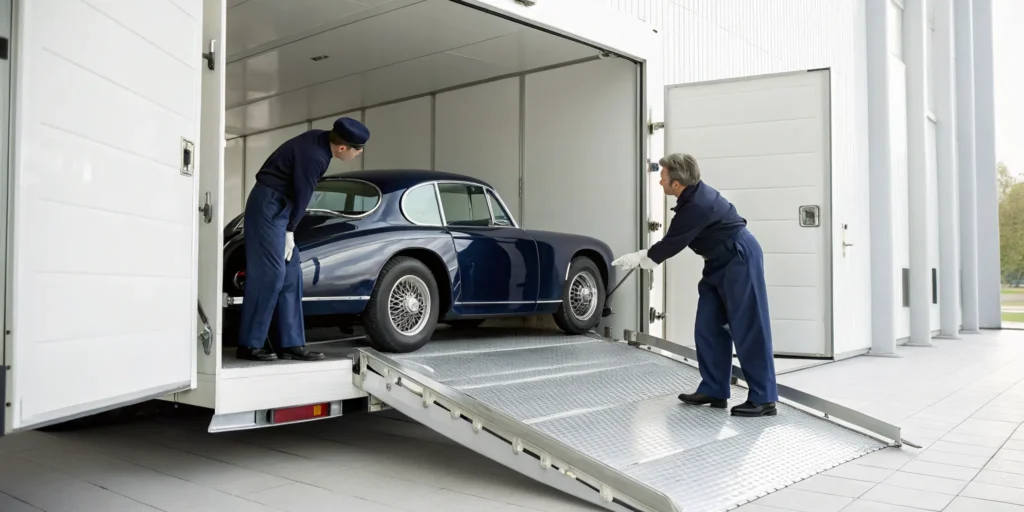
Professional classic car shipping service loading a car into an enclosed trailer.

The Owner’s Guide to Classic Car Shipping

Myths about shipping your vehicle can be a costly mistake, especially for a classic car owner. Some people think any auto transporter can handle a vintage car, or that an open carrier is a safe way to save a few dollars. Others assume their personal insurance has them covered during transit. These misconceptions put your investment at serious risk. We’re here to set the record straight, separating fact from fiction so you can avoid common pitfalls. Understanding the truth is the first step to selecting professional classic car shipping services that give your vehicle the protection it deserves.

Request a Quote
Contact Us

Key Takeaways

  • Vet your shipper’s classic car experience: Choose a company that specializes in transporting vintage vehicles. They will have the right equipment, like enclosed carriers and soft tie-downs, and offer sufficient insurance to protect your car’s agreed-upon value.
  • Document your car’s condition thoroughly: Before pickup, take detailed photos and videos of your car from every angle. This visual record is your most important tool for the final inspection and serves as critical evidence if you need to file a damage claim.
  • Read the contract and clarify all costs: The initial quote may not be the final price. Ask for a detailed breakdown of all potential fees and carefully review the Bill of Lading before signing to understand insurance limits, delivery timelines, and the claims process.

Classic Car Shipping by the Numbers

Why Owners Choose Shipping Over Driving

It’s completely understandable to want to take your classic car for a spin on the open road. But when it comes to moving it a long distance, the risks often outweigh the rewards. Driving adds mileage, which can decrease your car’s value, and puts unnecessary wear and tear on an engine and parts that can be difficult to replace. Plus, you have to worry about road debris, unpredictable weather, and other drivers. That’s why over 90% of antique car owners choose to ship their cars instead of driving them long distances. Opting for professional transport isn’t just about convenience; it’s about protecting your investment and preserving the pristine condition of a vehicle you’ve poured so much time and passion into.

Annual Shipment Volume

If you’re feeling hesitant about handing your keys over to a shipper, it might help to know you’re in good company. The classic car shipping industry is a busy one, with specialized carriers handling more than 20,000 shipments every year. This isn’t a niche service; it’s a trusted, well-oiled machine built to serve owners just like you. This high volume demonstrates a strong demand for specialized transport services that cater to the unique requirements of vintage vehicles. An experienced company will have the right equipment and proven processes to ensure your car arrives safely, giving you peace of mind from pickup to delivery.

How Do You Choose a Classic Car Shipping Service?

Choosing a shipping service for your classic car isn’t like booking a ride for your daily driver. Your vintage vehicle is a significant investment and a piece of history, so it deserves a carrier that understands its unique needs. The right partner will treat your car with the care it deserves, ensuring it arrives safely. When you start your search, focus on companies that specialize in classic cars and have a proven track record of excellence. Taking the time to vet your options thoroughly will give you peace of mind from pickup to delivery.

Brokers vs. Carriers: What’s the Difference?

When you start looking for a shipping company, you’ll quickly run into two main types of businesses: brokers and carriers. A carrier owns the trucks and employs the drivers who physically transport your vehicle. A broker, on the other hand, is a logistics expert that connects you with a network of vetted carriers. There’s a lot of advice online suggesting you should only work with carriers, with some classic car owners warning that brokers often just find the cheapest independent driver, which can lead to unpredictable service. While that can be true of low-quality brokers, a reputable broker acts as your advocate, managing the entire process and ensuring you’re matched with a high-quality, insured carrier that specializes in classic cars.

Why Working Directly with a Carrier Matters

The main appeal of working directly with a carrier is the direct line of communication. Many owners feel more comfortable when they can deal directly with the person doing the shipping. This can simplify communication since you’re talking to the company that owns the truck your car is on. However, a single carrier has a limited fleet and service area, which might not fit your schedule or route. A high-quality broker offers a different kind of advantage by giving you access to a vast, pre-screened network of carriers across the country. This provides more flexibility and options, ensuring you get the right truck for your car, exactly when you need it.

Researching Reputable Companies and Marketplaces

Your research phase is all about due diligence. Don’t just go with the first quote you get. Instead, look for companies with a long history and positive feedback from other classic car enthusiasts. As one guide for collectors notes, you should pick a company that has been around a long time and has good reviews. Companies that specialize in classic cars will have the right equipment, like enclosed trailers and soft-tie straps, to protect your vehicle. These specialized services might cost a bit more, but the added protection is invaluable for a cherished classic. A good reputation is built over years of successful, damage-free deliveries.

Top-Rated Classic Car Shippers

As you research, you’ll see a few names come up repeatedly for their expertise in handling high-value vehicles. For example, Reliable Carriers is known for moving antiques and classics, while Intercity Lines is a favorite among collectors for long-distance enclosed transport. Seeing what makes these companies trusted leaders can give you a benchmark for what to expect. They set a high standard for the industry with their specialized equipment and focus on customer service. Whether you work with them directly or a broker connects you with a carrier of this caliber, this is the level of quality you should be looking for.

Using Online Shipping Marketplaces

You might also come across online marketplaces like uShip. On these platforms, you post the details of your shipment, and various carriers bid on the job. It’s a model where you can get price offers from different drivers and choose the one that works for you. While this can be a good way to see a range of prices, the responsibility of vetting each bidder falls entirely on you. You’ll need to research each carrier’s insurance, authority, and customer reviews on your own, which can be time-consuming. This is very different from working with a full-service company that handles all the vetting for you.

Signs of a Trustworthy Company

So, how do you spot a winner? A trustworthy company is transparent and easy to work with. The first rule is to always read past feedback and reviews for any company you’re considering. Look for a provider that is fully licensed and insured, and ask for proof. Most importantly, a reliable partner will prioritize communication and provide exceptional customer care. They should be happy to answer all your questions about the process, provide a clear and detailed contract, and make you feel confident that your classic car is in the best possible hands from start to finish.

Do They Specialize in Classic Cars?

When you’re entrusting someone with your classic car, experience is non-negotiable. Look for a company with a long history of transporting vintage and high-value vehicles. Check their website for galleries or testimonials from other classic car owners. An experienced shipper understands the specific challenges involved, from careful loading procedures to using soft tie-downs that won’t damage a classic car’s frame or undercarriage. Companies that specialize in this area, like those offering enclosed transport services, often have the right equipment and training to handle your vehicle properly. While they might have a higher price tag, the expertise and care they provide are well worth the investment for your prized possession.

What Are Their Insurance & Protection Plans?

Your personal auto insurance policy likely won’t cover your classic car during transit. It’s crucial to understand the shipping company’s insurance coverage before you sign any contracts. Most carriers provide basic liability insurance, but this often only covers damage caused by their direct negligence and may have a low payout limit. Given that classic cars can be valued anywhere from $150,000 to over $1 million, you’ll want to ensure the company offers sufficient coverage. Ask detailed questions about their policy limits, what’s covered, and what the deductible is. Don’t hesitate to inquire about options for purchasing additional insurance for complete protection.

Explore the Available Transport Options

You generally have two main choices for shipping your car: open or enclosed transport. An open carrier is the most common and affordable option, where your car is transported on a trailer exposed to the elements. While it’s a standard method, it leaves your classic car vulnerable to weather and road debris. For a vehicle of this caliber, an enclosed carrier is the recommended choice. This option provides a fully covered trailer, shielding your car from rain, sun, dust, and potential dings from flying rocks. It’s the best way to ensure your car arrives in the same pristine condition it left in.

How Responsive Is Their Customer Service?

The quality of a company’s customer service can tell you a lot about how they’ll handle your car. A reputable shipper will be transparent, responsive, and happy to answer all your questions. Look for companies that offer free, no-obligation quotes and provide real-time tracking so you can monitor your car’s journey. Before committing, check online reviews on sites like Yelp and Transport Reviews. Pay attention to what other customers say about communication, timeliness, and how issues were resolved. A company with consistently high ratings and positive feedback is a good indicator that you’re in capable hands.

Are They Licensed and Registered?

Finally, make sure any company you consider is fully licensed and registered. Legitimate auto transport companies must be registered with the U.S. Department of Transportation and have a motor carrier number. You can verify a company’s credentials through the Federal Motor Carrier Safety Administration (FMCSA) database. This simple step helps you avoid scams and ensures you’re working with a professional, law-abiding carrier. A trustworthy company will be upfront about their licensing and registration information, often displaying it on their website. This verification is a critical final check before you make your decision.

What Are My Classic Car Transport Options?

Once you’ve found a shipper with classic car experience, the next big decision is choosing the right transport method. This isn’t just about getting your car from point A to point B; it’s about selecting the service that offers the right level of protection and convenience for your specific vehicle. The two main types of carriers are open and enclosed, and each comes with its own set of considerations. You’ll also want to think about how you want your car picked up and delivered. Understanding these options will help you make an informed choice that gives you complete peace of mind while your classic car is on the road.

Open Carrier Transport: The Pros and Cons

Open carrier transport is the most common method for shipping vehicles. Your car will be secured on a trailer that is open to the elements, usually along with several other vehicles. The primary advantage here is cost. Because carriers can fit more cars on one trailer, it’s the most budget-friendly option available. However, the downside is that your classic car will be exposed to weather like rain and sun, as well as road debris like dust and small rocks. While damage is rare, the lack of coverage is a significant risk for a vehicle with a pristine paint job or a vintage convertible top.

Why Choose Enclosed Carrier Shipping?

For most classic, antique, or high-value cars, enclosed carrier transport is the gold standard. With this service, your vehicle travels inside a fully covered trailer, shielding it completely from weather and road hazards. These carriers often come equipped with special features like air-ride suspension for a smoother journey and hydraulic lift gates to safely load cars with low ground clearance. While an enclosed carrier service costs more than an open one, the added protection and peace of mind are invaluable. It’s the best way to ensure your investment arrives in the exact same condition it left.

Single-Car Enclosed Transporters

If your car is exceptionally valuable or needs to be delivered to a tricky spot, a single-car enclosed transporter is your best bet. Think of it as a private charter for your vehicle. This option is perfect for getting a show car to a photoshoot in a busy city or delivering a rare vehicle to a remote estate. Because the transporter is smaller and more agile, it can access locations that larger multi-car carriers can’t. It also allows for more flexible scheduling and provides the driver’s undivided attention. These transporters are often equipped to handle cars with very low ground clearance, ensuring a smooth and damage-free loading process.

Climate-Controlled Transporters

Some classic cars require more than just protection from bumps and debris; they need a stable environment. That’s where climate-controlled transporters come in. Extreme heat or cold can wreak havoc on delicate materials like vintage wood dashboards, leather upholstery, and certain types of paint. A climate-controlled trailer maintains a consistent temperature range, protecting your car from the damaging effects of temperature fluctuations and humidity. This is an essential service for preserving the integrity of older, more fragile vehicles or any car with sensitive components, ensuring it arrives in museum-quality condition.

Specialty Transporters for Oversized Vehicles

What if your classic isn’t a car at all, but a vintage truck, a custom-built hot rod, or an unusually tall pre-war automobile? Standard carriers have height and weight restrictions that simply won’t work for these unique vehicles. This is where specialty transporters, such as a Low Boy trailer, become necessary. These transporters are designed with a lower deck, providing the extra vertical clearance needed to safely transport oversized or unconventionally shaped vehicles. When you have a vehicle that doesn’t fit the standard mold, it’s important to work with a shipper who can provide a tailored solution for your specific needs.

Door-to-Door vs. Terminal-to-Terminal: Which Is Better?

Beyond the type of trailer, you also have a choice in delivery style. Door-to-door service is exactly what it sounds like: the driver picks up your classic car from your specified location and delivers it directly to its destination. This is the most convenient option and minimizes unnecessary handling, which is always a plus. The alternative is terminal-to-terminal service, where you drop your car off at a regional hub and pick it up from another one near your destination. While this can sometimes be a little cheaper, door-to-door is typically the preferred shipping process for classic car owners.

Insist on GPS Tracking for Peace of Mind

No matter which transport method you choose, you’ll want to know where your car is throughout its journey. Ask any potential shipping company if they offer real-time GPS tracking. This feature allows you to monitor your vehicle’s location from your computer or phone, so you’re never left wondering about its progress. It’s a simple tool that provides enormous peace of mind and demonstrates a company’s commitment to transparency and customer care. This level of communication is a key reason why you should choose a transport partner who keeps you in the loop every step of the way.

How Much Does Classic Car Shipping Cost?

Figuring out the cost to ship your classic car isn’t as simple as looking up a flat rate. The final price depends on several key factors, from the journey’s length to the time of year you book. While the average cost to ship a classic car is around $1,500, your specific quote will be unique to your situation. Understanding what goes into the pricing will help you budget accurately and choose the right service for your vehicle. Let’s walk through the main elements that will shape your shipping quote.

How Distance Impacts Your Final Cost

The most significant factor in your shipping cost is distance. A cross-country trip will naturally cost more than a regional one. For shorter trips, say under 1,000 miles, you can expect to pay around $1.14 per mile. Interestingly, the per-mile rate often decreases for longer journeys, but the total bill will still be higher. Think of it like buying in bulk; the unit price goes down, but the overall spend is greater. Many transport marketplaces offer cost calculators that can give you a ballpark figure based on your pickup and delivery locations.

Short-Haul Rates (Under 500 Miles)

For shorter distances, like moving a classic car to a neighboring state, the cost per mile tends to be at its highest. This is because the fixed costs of pickup, loading, and unloading are spread over fewer miles. While every shipment is different, you can use a general estimate for trips under 1,000 miles of about $1.14 per mile. So, for a 400-mile trip, you might be looking at a cost of around $456, plus any additional fees for an enclosed carrier or other special handling. Keep in mind this is just a starting point. The final price will depend on your specific route, vehicle, and chosen transport options.

Mid-Range Rates (500-1,500 Miles)

As the distance increases, you’ll notice the cost per mile starts to drop. It might seem counterintuitive, but think of it as an economy of scale for the driver. Once your car is securely loaded, the carrier can cover more ground efficiently, so the per-mile rate becomes more favorable. For a trip between 500 and 1,500 miles, the rate might fall below a dollar per mile. However, because the overall distance is greater, the total bill will be higher than a short-haul trip. This pricing structure is standard across the industry, reflecting the balance between fuel, time, and labor for the transport company.

Long-Haul Rates (Over 1,500 Miles)

When you’re shipping your classic car across the country, you’ll see the lowest cost per mile. These long-haul routes, typically over 1,500 miles, are the most efficient for carriers. While the total cost will be the highest due to the sheer distance, the per-mile rate can be significantly less than for shorter trips. For example, a 2,500-mile journey might cost around $1,500, which works out to just $0.60 per mile. Since so many variables are at play, the best way to get a reliable figure for your specific long-distance shipment is to get a direct quote from a trusted shipper.

Does Your Car’s Size and Condition Matter?

Not all cars are created equal, especially when it comes to shipping. Larger and heavier vehicles take up more space and weight on a carrier, which increases the cost. Beyond size, the fact that you’re shipping a classic car plays a huge role. These vehicles require specialized handling and care. Your shipping partner needs to provide adequate insurance coverage, which can range from $150,000 to over $1 million for valuable collector cars. This higher liability and the need for experienced handlers are factored into the price, ensuring your investment is protected throughout its journey.

Shipping a Non-Running Vehicle

What if your classic car is a project that doesn’t currently run? You can absolutely still ship it. The single most important step is to communicate this to your transport company when you book the service. A non-running vehicle can’t be driven onto the carrier, so the driver needs to come prepared with special equipment, like a winch, to safely load it without causing any strain on the vehicle’s body. This isn’t a surprise request for a professional company, but they need the advance notice to ensure the right truck is dispatched. Giving the company a heads-up is a critical part of the shipping process and ensures there are no delays or unexpected fees on pickup day.

This is where a shipper with classic car experience really shines. They won’t be caught off guard by a non-op vehicle and will know exactly how to handle the situation, using careful procedures to load your car without damaging its frame, suspension, or undercarriage. Before the driver arrives, make sure to thoroughly document your car’s condition. Take detailed photos and videos from every angle, inside and out, capturing any existing scratches, dings, or areas of concern. This visual record is essential for the final inspection report and serves as your most important piece of evidence should you need to file a damage claim for any reason.

Can the Season Affect Your Shipping Rate?

Timing is everything, and it can definitely affect your shipping costs. The auto transport industry has peak seasons, just like the travel industry. Summer months and holidays are popular times for people to move and ship vehicles, which means demand is high and so are prices. If you have a flexible timeline, consider booking your transport during the off-season, like in the fall or winter (outside of major holidays). Planning ahead and avoiding these busy periods can help you find more competitive rates and secure a spot with your preferred carrier.

The Added Cost of Enclosed Shipping

Choosing an enclosed carrier is the best way to protect your classic car, but that premium protection comes with a higher price tag. This added cost isn’t just for four walls and a roof; it reflects the specialized nature of the service. Enclosed trailers carry fewer vehicles, meaning the operational cost is split among a smaller number of customers. They are also often equipped with features like hydraulic lift gates for safe loading and air-ride suspension for a smoother ride. This level of care is why enclosed transport is the top choice for high-value vehicles. When you select an enclosed carrier, you’re not just paying for shipping; you’re investing in peace of mind and ensuring your classic car arrives in flawless condition.

How to Avoid Hidden Shipping Fees

The first quote you receive isn’t always the final price. Some initial estimates in the industry can jump by 25% to 50% once all is said and done. To avoid surprises, it’s important to ask what is included in your quote. Are there extra charges for door-to-door service? What about additional insurance or fuel surcharges? Always read the contract carefully before signing. A transparent company will be upfront about all potential costs. If you have any questions about pricing, check the company’s FAQ page or contact their customer service team directly.

Watch Out for Unusually Low Quotes

If a quote seems drastically lower than all the others, it’s a major red flag. As one classic car owner on Reddit wisely noted, extremely low prices are often just talk and not a real reflection of the final cost. These rock-bottom prices can be a bait-and-switch tactic, where the final bill is much higher, or they might come from a company that cuts corners on essential services like insurance or uses inexperienced drivers. Shipping a classic car correctly requires specialized equipment and comprehensive protection, which comes at a fair price. Instead of jumping at the lowest number, get several quotes from established companies to understand the true market rate for the service you need.

Don’t Forget to Ask About Discounts

While you should be wary of suspiciously low prices, you can absolutely find legitimate ways to save on shipping your classic car. Many transport companies offer discounts, but they aren’t always advertised front and center. It never hurts to ask! When you’re getting quotes, make it a point to inquire about any available promotions. For example, some shippers might offer a discount if you have a specific classic car insurance policy, like one with Hagerty. You might also find deals for booking in the off-season or for being a first-time customer. A quick question could save you a nice chunk of change, so be sure to reach out and see what savings you might qualify for.

Common Discounts for Military, Students, and More

Many auto transport companies are proud to offer special pricing for certain groups. One of the most common is a military discount for active-duty members and veterans as a thank you for their service. You may also find that some companies provide discounts for students and senior citizens. Other potential savings opportunities include deals for first-time customers, shipping multiple vehicles at once, or being a repeat client. When you request a quote, be sure to mention if you fall into any of these categories. Every little bit helps, and reputable shippers are usually happy to extend these offers to eligible customers.

Importing a Classic Car into the U.S.

Bringing a classic car into the United States from another country might seem like a mountain of paperwork and red tape, but it’s a well-traveled road. With a clear understanding of the rules, you can get your dream car onto U.S. soil without major headaches. The process involves a few key steps, from verifying your car’s eligibility to filing the right documents with customs. It’s all about knowing the requirements ahead of time. Once your vehicle has officially cleared customs at the port, you’ll still need to get it home. That’s where a reliable domestic shipper comes in to handle the final leg of the journey, ensuring your classic car completes its trip safely to your garage.

Understanding the “25-Year Rule”

The most important regulation to know is the “25-Year Rule.” The good news for classic car enthusiasts is that the U.S. government makes it easier to import vehicles that are 25 years or older. This rule allows you to import a classic car at a significantly lower tax rate of just 2.5% of its value. This is a huge advantage compared to the taxes on newer vehicles. To be eligible, the car must be in its original condition. Keep in mind that in addition to this duty, there may be other small fees and potentially a “reciprocal tariff,” depending on the car’s country of origin. This rule is the key that opens the door for many international collectors.

Navigating Customs with HTS Codes

To secure that sweet 2.5% tax rate, you have to get your paperwork right. A critical piece of this is using the correct Harmonized Tariff Schedule (HTS) code when you file your import documents with U.S. Customs and Border Protection. Think of HTS codes as a universal language for classifying goods. There’s a specific code for antique vehicles that are over 25 years old. Using the right one signals to customs that your car qualifies for the reduced duty. Getting this detail wrong can lead to paying a much higher tax rate, so it’s worth double-checking that you have the correct code before submitting anything.

Why You Should Hire a Customs Broker

While you can technically handle the import process yourself, I highly recommend hiring a professional customs broker. These experts live and breathe import regulations. A good broker will manage all the complex paperwork, ensure you’re using the correct HTS codes, and communicate with customs officials on your behalf. Their knowledge can help you avoid costly mistakes, frustrating delays, and unexpected fees. Think of it as an investment in a smooth, stress-free process. The fee you pay a broker is often a small price for the assurance that everything is being handled correctly from the start.

Other Import Fees to Expect

Beyond the 2.5% duty, you should budget for a couple of other standard import fees. When your car arrives at a U.S. port, you’ll likely need to pay a Harbor Maintenance Fee (HMF), which is calculated at 0.125% of the vehicle’s value. Additionally, there is a Merchandise Processing Fee (MPF) set at 0.3464% of the value. While these percentages are small, they can add up on a high-value classic car. Knowing about these costs ahead of time helps you create a more accurate budget and ensures there are no financial surprises when your car finally arrives.

How to Prepare Your Classic Car for Shipping

Getting your classic car ready for its journey is one of the most important steps you can take to ensure it arrives safely. A little preparation goes a long way in protecting your investment and giving you peace of mind. By taking care of a few key tasks before the carrier arrives, you set the stage for a smooth and worry-free transport experience. Think of it as getting your car packed and ready for a big trip. It involves documenting its condition, performing some simple mechanical checks, securing loose parts, and completing a final inspection with your driver. These steps don’t take much time, but they are critical for protecting your vehicle and making sure the entire shipping process goes off without a hitch.

Take Detailed Photos from Every Angle

Before your car goes anywhere, you need to create a detailed visual record of its current condition. This is your single most important piece of evidence if you need to make a claim later. Take lots of clear, well-lit photos and videos from every possible angle. Capture the exterior, interior, undercarriage, and a shot of the odometer. Get close-ups of any existing dings, scratches, or imperfections, no matter how minor. Timestamped photos are ideal. This documentation is a standard part of our process and helps ensure everyone is on the same page about the car’s pre-shipping state. Think of it as creating a “before” picture that protects both you and the carrier.

Complete These Simple Mechanical Checks

A few simple mechanical adjustments will help ensure your classic car is ready for transport. First, top off all fluids except for the gas tank, which should be no more than a quarter full to reduce weight and fire risk. Make sure the tires are properly inflated to prevent damage during loading and unloading. It’s also a good idea to disconnect the battery to prevent it from draining and to avoid any potential electrical issues during transit. Finally, make sure the parking brake is fully engaged and functional. If your car has an alarm, be sure to disable it so it doesn’t go off in the middle of the trip and drain the battery.

Secure Any Loose Parts, Inside and Out

Anything that can come loose during transit is a potential hazard. The vibrations and movement of the road can cause unsecured items to shift, fall off, or damage your vehicle. Walk around your car and check for any loose parts, such as custom hood ornaments, spoilers, or exterior trim. If possible, remove them and ship them separately. Don’t forget about the interior, either. Remove any personal belongings, loose change, and items like custom floor mats or dash covers that aren’t bolted down. Securing these items beforehand prevents them from becoming projectiles inside the car or falling off the vehicle entirely.

Conduct a Final Pre-Shipping Inspection

When the driver arrives, they will conduct a final inspection with you. This is where your photos come in handy. Together, you will fill out a condition report, often called the Bill of Lading. This document officially notes the state of your car at pickup. Carefully walk around your vehicle with the driver and point out any existing damage so it can be noted on the form. Do not sign an incomplete or inaccurate report. This document is legally binding and will be used as the primary reference upon delivery. Answering these common questions beforehand can make the inspection process feel much more straightforward and less stressful on pickup day.

Is Your Classic Car Insured for Transport?

Shipping a classic car involves more than just finding a reliable carrier; it’s about protecting a significant investment. The right insurance coverage provides peace of mind, ensuring your prized possession is protected from the moment it leaves your hands to the moment it arrives. Your standard auto policy likely won’t cover your car during commercial transport, and the carrier’s insurance might have limitations. Understanding the different layers of coverage is the best way to make sure you’re fully protected against any unexpected bumps in the road. Let’s walk through what you need to know to secure the right insurance for your classic car.

Understand the Carrier’s Liability Coverage

Every professional auto transport company is required to carry liability insurance. This is your first layer of protection, but it’s important to understand what it covers. Typically, a carrier’s policy covers damage that is a direct result of their negligence, like an accident during transit. Before you book, ask the shipping company for a copy of their insurance certificate and find out their liability limits. Don’t hesitate to ask specific questions: What is the coverage amount per vehicle? What is the deductible, and who is responsible for paying it? Knowing these details upfront helps you identify any potential gaps in coverage that you might need to fill.

The Limits of Carrier Negligence Coverage

Carrier liability insurance isn’t an all-risk policy; it specifically covers damage resulting from the carrier’s direct fault. This means if the driver gets into an accident or fails to secure your car properly, you’re covered. However, it typically does not cover damage from events outside the carrier’s control, such as road debris hitting your car on an open trailer or unforeseen weather events like a hailstorm. Furthermore, the coverage amount might be capped at a standard value that falls short of your classic car’s worth. This is why it’s essential to understand the full shipping process and its insurance limits, so you can identify any gaps and arrange for supplemental coverage if needed.

Why Your Personal Policy Isn’t Enough

It’s a common mistake to assume your personal car insurance will protect your classic during shipping. Most standard auto policies do not cover a vehicle while it’s in the care of a commercial transport company. For a classic car, the best protection comes from a specialized classic car insurance policy. These policies are often written on an “agreed value” basis. This means you and the insurance company agree on the car’s value when the policy is written, so you know exactly how much you’ll be compensated in the event of a total loss. This is far better than a “stated value” policy, which might pay out less.

Should You Purchase Additional Insurance?

Sometimes, a carrier’s standard liability insurance isn’t enough to cover the full value of a high-end classic or collector car. For example, a carrier might have a limit of $100,000, but your vehicle could be worth much more. In this case, you’ll need to secure additional coverage. Some transport companies offer the option to purchase supplemental insurance for an extra fee, which can increase the coverage limit to match your car’s value. If they don’t, you can work with a third-party insurance provider that specializes in collector vehicles to get a policy that covers the transit period.

How to Properly Document Your Car’s Value

Proper documentation is your best friend in the unlikely event you need to file a claim. Before the carrier arrives, take detailed photos and videos of your car from every possible angle. Capture the exterior, interior, engine bay, and undercarriage. Be sure to document any existing imperfections, like small scratches or dings. This creates a clear and dated record of your car’s condition before it was loaded onto the truck. This evidence is invaluable for proving that any new damage occurred during transit, making the claims process much smoother and more straightforward for everyone involved.

The Importance of an “Agreed Value” Policy

Let’s get specific about the type of insurance you need. When you’re insuring a classic car, you’ll want to look for a policy with an “agreed value” clause. This is a game-changer. Unlike standard auto insurance that pays out the “actual cash value” (which factors in depreciation), an agreed value policy means you and your insurer determine your car’s worth together when you sign up. If the worst happens and your car is a total loss during transport, you know exactly what you’ll be paid—no haggling, no surprises. This ensures you’re compensated for your car’s true market value as a collector’s item, not just its blue book value. It’s the most reliable way to protect your investment before it even gets on the truck.

4 Common Myths About Classic Car Shipping

When it comes to shipping your classic car, there’s a lot of information out there, and not all of it is accurate. Believing some common myths can lead to stress, unexpected costs, or even damage to your prized vehicle. Let’s clear up a few of the biggest misconceptions so you can make confident, informed decisions for your car’s journey. Understanding the truth behind these myths helps you partner with a transport company that truly values your classic car as much as you do.

Myth: Any Car Shipper Will Do

It’s easy to assume that any company that moves cars can handle your classic, but that’s a risky gamble. Shipping a vintage vehicle isn’t the same as transporting a standard sedan. Classic cars require special handling, equipment, and an understanding of their unique value. You need a company with proven experience in classic car transport. These specialists know how to properly secure a vintage vehicle without causing frame damage and often use soft ties and other specialized gear. When you’re vetting companies, ask specifically about their experience with classics and what tailored solutions they offer to protect your investment.

Myth: Open Trailers Are Always a Good Idea

Open carrier transport is the most common method for a reason: it’s budget-friendly. But when you’re shipping a classic, “budget-friendly” can come with serious risks. On an open trailer, your car is exposed to everything from rain and hail to road debris kicked up by other vehicles. While it’s a perfectly fine option for a daily driver, it offers minimal protection for a car with a pristine paint job or delicate features. For a classic car, an enclosed carrier is almost always the better choice. It shields your vehicle from the elements and potential damage, giving you peace of mind that’s well worth the extra cost.

Myth: My Personal Insurance Policy Is Enough

Relying on your everyday auto insurance policy during transport is one of the most common mistakes classic car owners make. Most standard policies don’t provide adequate coverage once your vehicle is in the hands of a third-party carrier. Furthermore, they often value your car based on depreciation, not its actual market or sentimental worth. It’s crucial to have a special agreed value policy that covers your car for its full, appraised value. Always confirm the carrier’s insurance liability limits and talk to your own insurance agent about getting additional coverage for the transport process.

Myth: The First Quote Is the Final Price

That initial, low-ball quote can be tempting, but it’s often not the full story. Some companies provide a base rate that doesn’t include fuel surcharges, insurance, or other essential fees, leading to a much higher final bill. A reputable shipper will provide a comprehensive quote that clearly outlines all costs. Don’t be afraid to ask what is and isn’t included. A trustworthy company will be transparent about their pricing from the start. Always get a detailed quote in writing and confirm that the price is locked in before you sign any contracts.

Questions to Ask Before Hiring a Car Shipping Company

Choosing a company to transport your classic car is a big decision. This isn’t just any vehicle; it’s a piece of history, a passion project, and a significant investment. Before you hand over the keys, you need to feel confident that the company you’ve chosen understands the unique needs of a classic car. Think of this as your interview script for potential shippers. Asking the right questions will help you weed out the inexperienced and find a partner who will treat your car with the care it deserves. A reputable company will welcome your questions and provide clear, honest answers. This process is all about finding a team you can trust, so taking the time to ask detailed questions is one of the smartest moves you can make. The answers you receive will paint a clear picture of the company’s professionalism, experience, and commitment to customer care. By being prepared with a list of questions, you take control of the process and set the stage for a smooth, worry-free transport experience for your prized possession.

Questions About Their Experience & Services

First things first, you need to know if they have a proven track record with classic cars. General auto transport is one thing, but shipping a vintage vehicle requires specialized knowledge and handling. Don’t be shy about asking for specifics. You can ask, “How many classic cars do you ship each year?” or “Do you have experience with my car’s specific make and model?” Find out what kind of training their drivers receive for securing and transporting delicate vehicles. A company that specializes in classic cars will be proud to share their expertise and offer tailored solutions for your specific needs, giving you peace of mind from the start.

Questions About Insurance & Liability

This is a non-negotiable part of the conversation. Your standard auto insurance policy likely won’t cover your car during transit, so the carrier’s insurance is your primary protection. Start by asking, “What are the limits of your insurance coverage, and what does it include?” Follow up with, “Is my car covered for its full agreed-upon value?” Some policies only cover a depreciated value, which is not ideal for a classic car. Request a copy of their certificate of insurance to verify their coverage is active and sufficient. It’s also smart to understand their claims process upfront by asking, “What are the steps for filing a claim if any damage occurs?”

Questions About Timing & Delivery

Logistics are key to a stress-free experience. Shipping a classic car safely can sometimes take a bit longer than a standard vehicle, so it’s important to have clear expectations. Ask for an estimated delivery window, not just a single date. Find out if they offer guaranteed pickup and delivery dates if your schedule is tight. You should also clarify the type of delivery. Ask, “Do you offer door-to-door service, or will I need to meet the driver at a terminal?” Understanding the complete shipping process helps you plan accordingly. Finally, ask how they’ll keep you in the loop: “Will I receive tracking updates during transit?”

Questions About Their Equipment & Drivers

The equipment used to transport your car is just as important as the person driving the truck. For a classic car, an enclosed carrier is almost always the best choice for protection from weather and road debris. Ask them directly, “What type of carrier will you use for my car?” If they suggest an enclosed trailer, ask about its features. “Does the trailer have an air-ride suspension for a smoother ride and a hydraulic liftgate to avoid damage during loading?” A company with quality equipment and a wide, vetted network of carriers is better equipped to handle your vehicle safely and efficiently, no matter where it’s headed.

Tips for a Smooth, Stress-Free Shipping Experience

Shipping a classic car can feel like a big deal, but a little preparation goes a long way toward making it a stress-free process. Once you’ve chosen a company, your role is to get your car ready and stay informed. By following a few key steps, you can set yourself up for a seamless handoff from start to finish and feel confident that your classic car is in good hands.

Compare Quotes from Vetted Shippers

Your first step is to gather quotes from a few different companies. While cost is important, don’t let it be your only guide. Look for a company with a proven track record. For example, a shipper with decades of experience and a large network of certified carriers has the resources to handle your vehicle with care. When you request a quote, pay attention to the details included. A reputable company will be transparent about what their service covers. Comparing services, not just prices, helps you find the best value and the right partner for your prized possession.

Read the Contract Carefully Before Signing

The shipping contract, or bill of lading, is your most important document. It outlines the terms, conditions, insurance coverage, and delivery details. Before you sign anything, read your contract carefully. Make sure you understand the company’s liability and what to do if an issue arises. If there’s anything you’re unsure about, ask questions. A trustworthy transporter will be happy to clarify any part of the agreement. If you spot a problem or have a concern, it’s best to write it down and contact the transport company right away to get it sorted out before your car is on the move.

Stay in Contact with the Carrier During Transit

Clear and consistent communication is the key to a positive shipping experience. Before you book, make sure you can easily talk to the people who will be moving your car. You should feel comfortable reaching out with questions and confident that you’ll get a timely response. Ask about how they provide updates during transit, whether it’s through a tracking portal, email, or phone calls. Knowing you can connect with your shipping partner provides valuable peace of mind while your classic car is on the road. Good customer support is a sign of a professional and reliable service.

Know What to Expect on Delivery Day

Your involvement doesn’t end when the truck drives away. Before it leaves, take lots of photos and videos of your car from every angle to document its condition. This creates a clear record before the journey begins. When your car arrives at its destination, perform a thorough inspection. Carefully check your car for any new scratches, dings, or other flaws before you sign the delivery receipt. Compare its condition to the photos you took earlier. Taking a few minutes to do this final check ensures you can address any potential issues on the spot and finalize a successful delivery.

Related Articles

Request a Quote
Contact Us

Frequently Asked Questions

Is enclosed shipping always the best choice for a classic car? For a classic or high-value vehicle, enclosed shipping is almost always the recommended route. While an open carrier is more budget-friendly, it leaves your car exposed to weather and road debris. An enclosed trailer provides a protective shell, shielding your car’s paint, chrome, and delicate parts from potential damage. Think of it as an extra layer of insurance for your investment; the added cost brings significant peace of mind.

How far in advance should I schedule my classic car transport? It’s a good idea to book your transport at least two to four weeks in advance, especially if you plan to ship during peak seasons like summer or around major holidays. Booking ahead gives you more flexibility with scheduling and can often help you secure a better rate. If you have a strict deadline, giving the company more lead time ensures they can accommodate your specific needs without any last-minute stress.

What should I do if my car arrives with damage? The first thing to do is note any new damage directly on the Bill of Lading before you sign it. This document is your official record of the delivery condition. Take clear photos of the damage right away, with the driver present if possible. Then, contact the shipping company immediately to report the issue and begin their claims process. Your pre-shipping photos will be essential here to show the car’s original condition.

Can I pack personal items inside my classic car for shipping? Generally, you should not pack personal items in your car. Auto transport carriers are not licensed to move household goods, and their insurance will not cover any personal belongings left inside the vehicle. Furthermore, loose items can shift during transit, potentially causing damage to your car’s interior. It’s best to remove everything that isn’t a standard part of the vehicle.

How long will it take for my classic car to be delivered? The total transit time depends mostly on the distance of the trip. A cross-country journey can take anywhere from 7 to 10 days, while a shorter, regional transport might only take 2 to 4 days. Your shipping company will provide you with an estimated delivery window when you book. Most carriers will also give you updates as they get closer to your destination so you can be ready for its arrival.

Scroll to Top