
HACK LINKS - TO BUY WRITE IN TELEGRAM - @TomasAnderson777 Hacked Links Hacked Links Hacked Links Hacked Links Hacked Links Hacked Links cryptocurrency exchange vapeshop discount code vapewholesale affiliate link geek bar pulse x betorspin plataforma betorspin login na betorspin hi88 new88 789bet 777PUB Даркнет alibaba66 1xbet 1xbet plinko Tigrinho Interwin

Give Us A Call

888-430-5866

Email now

contact@roadrunnervehicletransports.org

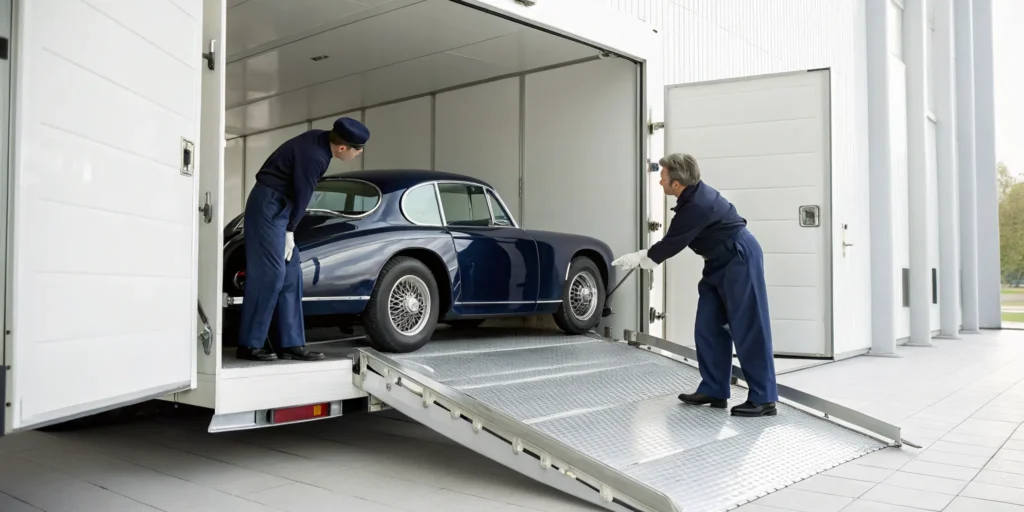
A classic car being shipped in an enclosed trailer, a key factor for an accurate quote.

What Affects a Classic Car Shipping Quote?

When it comes to shipping your classic car, you have more control over the final cost than you might realize. While some factors like distance are fixed, your choices in transport methods, timing, and even how you prepare your vehicle can make a real difference. Making an informed decision is the key to finding a service that fits your budget without compromising on safety. This guide is designed to put you in the driver’s seat. We’ll explore all the variables that build your classic car shipping quote, giving you the knowledge to select the right options and secure a great price for a high-quality service. You can also get a free car shipping quote in minutes to see real-time pricing based on your vehicle and route.

Key Takeaways

  • Understand What Shapes Your Quote: Your final price is a tailored calculation based on key details like shipping distance, your car’s size and condition, the season, and whether you choose an open or enclosed carrier.
  • Prepare Your Car for a Safe Trip: A smooth shipment starts with you, so provide accurate vehicle details, clean your car for a clear inspection, document its condition with photos, and confirm your insurance coverage before pickup.
  • Select a Shipper with Proven Experience: Don’t just pick the cheapest option; prioritize companies that specialize in classic cars, willingly provide their licensing and insurance details, and have positive reviews from other classic car owners.

What Goes Into a Classic Car Shipping Quote?

Getting a quote to ship your classic car isn’t like buying something off a shelf. The price is tailored specifically to your vehicle and your transport needs. Several key factors come together to create your final estimate, from the journey’s length to the time of year you book. Understanding these elements helps you see exactly what you’re paying for and allows you to plan for a smooth and predictable shipping experience. It’s not just about moving a car from point A to point B; it’s about providing a specialized service that protects your investment.

Think of it as creating a custom travel plan for your car. The more details you provide, the more accurate your quote will be. We look at the specifics of your car, the route it will take, and your timeline to build a price that reflects the high-quality, specialized service your classic car deserves. Knowing what goes into the calculation demystifies the process and puts you in control. This transparency is key to finding a transport partner you can trust. Let’s walk through the main components that shape your classic car shipping quote so you can feel confident when you book.

Shipping Distance and Route

It makes sense that the farther your car needs to go, the more the shipment will cost. A cross-country trip from California to New York will naturally have a higher price tag than a move between neighboring states. However, the pricing isn’t always linear. While the total cost is higher for long-distance transport, the price per mile often decreases. This is because the fixed costs of loading and unloading are spread out over more miles. The specific route also matters, as transport between major cities along popular trucking lanes is often more affordable than shipping to a remote, rural location.

Your Car’s Make, Model, and Size

The size and weight of your classic car play a big role in determining the cost. Larger and heavier vehicles, like a vintage Cadillac or a classic pickup truck, take up more space and weight capacity on a carrier. This means less room for other vehicles, so the price is adjusted accordingly. When you request a quote, providing the exact make and model helps the transport company accurately assess how much space your vehicle will need. This ensures there are no surprises and that the right equipment is used for your specific car, guaranteeing a safe and secure journey from start to finish.

Time of Year and Seasonal Demand

Car shipping is a seasonal business, and prices can fluctuate throughout the year. Summer is typically the peak season, with high demand driving prices up as many people move and attend car shows. Conversely, demand tends to be lower in the winter, especially in February, which can make it a more affordable time to ship your car. Keep in mind that holidays can also create price spikes due to increased traffic and limited driver availability. If you have a flexible timeline, you might save some money by booking your transport during an off-peak period.

Your Vehicle’s Condition

Is your classic car in running condition, or is it a project car that doesn’t start? This is a crucial piece of information for your shipping quote. An inoperable vehicle requires special equipment, like a winch, to be loaded and unloaded from the carrier. This extra labor and equipment add to the overall cost of the shipment. To get the most accurate quote and avoid unexpected fees, it’s important to be upfront about your car’s operational status. A car that can be driven on and off the truck is always the most straightforward and cost-effective option to ship.

How Your Transport Method Affects the Price

Beyond the specifics of your car and your route, the type of shipping service you select plays a huge role in your final quote. Think of it as choosing between flying first class or economy; both get you there, but the experience and level of protection are different. The main choices you’ll make are between an enclosed or open carrier and whether you want door-to-door or terminal-to-terminal service. Understanding these options will help you find the right balance between cost, convenience, security for your classic car, and choose the right auto transport service.

Enclosed Transport for Maximum Protection

If you want the highest level of security for your classic car, enclosed transport is the best choice. With this method, your vehicle is shipped inside a fully covered trailer, completely shielded from bad weather, road dirt, and potential damage from flying debris. This premium service provides about 75% more protection than an open trailer, making it the recommended option for very valuable, antique, or collector cars. It’s also a great idea for long-distance moves or if you’re shipping during a season with unpredictable weather. While it costs more, the added security is invaluable for a cherished vehicle.

Open Transport as a Cost-Effective Option

Open transport is the standard and most common method for shipping a vehicle. Your car is securely loaded onto a trailer that is open to the air, much like the ones you see delivering new cars to dealerships. While this means your car is exposed to the elements, it is a very safe and reliable way to ship. Millions of cars are transported this way every year without any issues. Choosing an open carrier is a great way to save money, as it’s significantly more affordable than enclosed shipping. It’s a practical choice if your classic car is more of a durable driver or if you’re shipping a shorter distance in clear weather.

Door-to-Door vs. Terminal-to-Terminal Service

Your next choice is how your car will be picked up and delivered. Door-to-door service offers the most convenience. The carrier will pick up your vehicle from your location and deliver it as close to your destination as is safely and legally possible. This is the most popular option because it’s simple and reduces the amount of handling your car goes through. The alternative is terminal-to-terminal service, where you drop your car off at a designated shipping hub and pick it up from another one near your destination. This can be a more economical choice, but it requires more coordination on your part. Most classic car owners prefer the streamlined process of door-to-door delivery.

What Information to Provide for an Accurate Quote

Getting an accurate quote is the first step toward a stress-free shipping experience. The more details you can provide upfront, the better your shipping partner can tailor their services to your classic car’s specific needs. Think of it as creating a clear roadmap for the journey ahead. Providing precise information helps avoid surprise fees and ensures your vehicle gets the specialized care it deserves from start to finish. Let’s walk through exactly what you’ll need to have ready and review common questions in the car shipping FAQ section before requesting your estimate.

Key Vehicle Details

First, your shipping company needs to know the basics about your car. This includes the year, make, and model. But for a classic car, it’s also helpful to share any modifications or unique characteristics. Does it have a custom paint job, a delicate convertible top, or non-standard tires? Classic cars often have fragile parts that require different handling than a modern vehicle. Details about its age and condition help us understand its specific requirements for safe transport. Sharing this information is a key part of our process and ensures we assign the right equipment and carrier for the job.

Pickup and Delivery Logistics

Where your car is going and where it’s coming from are major factors in your quote. Be ready with the exact pickup and delivery addresses. It’s good to know that shipping to and from major cities is often more affordable than rural or remote locations because more carriers operate on those routes. Most companies, including us, offer convenient door-to-door delivery, meaning we’ll get as close to your preferred locations as legally and safely possible. This minimizes any extra handling and makes the entire process much smoother for you.

Your Preferred Shipping Timeline

Your timeline plays a big role in the final price. If you need your car shipped on a specific date or require expedited service, the cost will likely be higher. If you have some wiggle room in your schedule, you can often find more budget-friendly options. Being flexible with your pickup date allows the transport company to find the most efficient route and carrier for your vehicle. For the best rates, try to schedule your shipment during slower times of the year, like late winter or the fall, when demand is lower.

Any Special Handling Instructions

Does your classic car have any quirks? Now is the time to share them. If your vehicle is inoperable or doesn’t run, it’s essential to let the shipping company know beforehand. This allows them to arrange for a truck with a winch or other specialized equipment needed to safely load and unload your car. You should also point out any existing damage, like scratches or dings, before the vehicle is loaded. This protects both you and the carrier, ensuring everyone is on the same page about the car’s pre-shipment condition. You can find answers to more specific questions on our FAQ page.

How to Choose the Right Classic Car Shipper

Your classic car is more than just a vehicle; it’s a passion project, a piece of history, and a major investment. When you need to ship it, you aren’t just looking for a transport service, you’re looking for a temporary caretaker for your prized possession. This makes choosing the right shipper one of the most important decisions you’ll make. Not all auto transport companies are equipped to handle the unique needs of a vintage or collector car, from its delicate paint job to its specific mechanical quirks. You need a partner who specializes in this area and has a proven track record of success.

Making the right choice comes down to doing a little homework. It’s about finding a company that not only has the right equipment but also the right approach. You want a team that communicates clearly, understands your concerns, and provides transparent information about their process. A great shipper will walk you through every step, from getting a quote to final delivery. By focusing on a few key areas like experience, credentials, and customer feedback, you can confidently select a shipper who will treat your car with the respect and care it deserves. This ensures your vehicle arrives safely, so you can get back to enjoying it on the open road. Let’s break down exactly what to look for.

Look for Experience with Classic Cars

This is the most important factor. A company that moves daily drivers might not have the right touch for a classic. You need a shipper that specializes in transporting vintage and collector vehicles. Look for a company that proudly showcases its experience with classic cars and has the right equipment for the job, like soft-tie downs and hydraulic lift gates to ensure a gentle loading process. An experienced shipper knows how to handle these vehicles with the extra care they require, from navigating low clearances to protecting custom paint. When you speak with them, ask about their process for securing classic cars and the training their drivers receive.

Verify Licensing and Insurance

Before you commit to a shipper, do a quick background check. Any reputable transport company must be licensed by the Department of Transportation and carry sufficient insurance. Don’t be shy about asking for their MC number and proof of insurance. Legitimate companies will provide this information without hesitation. Most carriers have cargo insurance that covers potential damages during transit, but the coverage amount can vary. It’s a good idea to ask about their policy limits and find out if they offer extra coverage options, especially if your car’s value exceeds their standard policy. This step gives you a crucial layer of protection and peace of mind.

Read Customer Reviews and Testimonials

Customer feedback is your best source for an unbiased look at a company’s service quality. Go beyond the testimonials on the company website and check independent review platforms. Pay close attention to reviews from other classic car owners. Are they happy with the communication? Did their vehicle arrive on time and in the condition it left? Positive feedback from people who have shipped delicate and valuable vehicles is a strong indicator that you’ve found a reliable partner. A company with a solid track record and glowing reviews shows a consistent commitment to customer satisfaction and careful handling of every car in their care.

What to Know About Insurance Coverage

Shipping a classic car isn’t like sending a regular package. It’s a valuable, often irreplaceable, piece of history. That’s why understanding your insurance options is one of the most critical steps in the entire process. The right coverage gives you peace of mind, knowing your investment is protected from pickup to delivery. A reputable transport company will be transparent about their insurance and help you secure any additional coverage you might need.

Before you hand over the keys, you’ll want to get clear on three things: what the carrier’s standard liability covers, whether you need to purchase extra insurance, and how to properly document your car’s condition. Taking the time to sort out these details ensures a smooth and worry-free shipping experience. It’s all about making sure there are no surprises and that your classic car is fully protected every mile of its journey.

Understand Carrier Liability

Every licensed and legitimate auto transport company is required by law to carry a certain amount of cargo insurance. This is known as carrier liability. It’s designed to cover damage that might occur due to the carrier’s negligence during transit. While the coverage amount can vary, it often protects vehicles up to a specific value. Don’t hesitate to ask for a copy of the company’s certificate of insurance so you can review the details for yourself. Understanding the limits and exclusions of the carrier’s insurance policy is the first step to ensuring your classic car is adequately protected.

Decide if You Need Additional Insurance

For many classic, exotic, or collector cars, the standard carrier liability might not be enough. If your vehicle’s value exceeds the carrier’s policy limit, you should look into getting additional insurance. Some cars require coverage ranging from $150,000 to over $1 million. You can often purchase a supplemental policy directly through the transport company, which can offer specialized transport solutions for high-value vehicles. Alternatively, you can contact your personal auto insurance agent to see if your existing policy can be extended to cover shipping. Either way, securing extra coverage is a smart move for any high-value automobile.

Document Your Car’s Condition Before Shipping

Creating a detailed record of your car’s condition before it’s loaded onto the truck is essential. This documentation serves as your proof if you need to make a claim later. Start by giving your car a thorough wash to make any existing imperfections visible. Then, take clear, high-resolution photos and videos from every angle, both inside and out. Be sure to capture close-ups of any pre-existing dings, scratches, or chips. Date your photos and keep them in a safe place. This simple step is a key part of the preparation process and protects both you and the shipping company by creating a transparent and agreed-upon starting point.

Watch Out for These Potential Fees

When you get a classic car shipping quote, it’s easy to assume that number is the final price. While reputable companies are transparent, certain situations can lead to additional charges. Knowing these potential fees ahead of time helps you budget properly and avoids surprises. Unexpected costs can arise from needing a faster delivery, storage due to delays, or special handling for your vehicle. Being aware of these possibilities allows you to have a clear conversation with your shipping coordinator to understand your total investment. Let’s break down the most common fees to keep on your radar.

Fuel Surcharges and Expedited Shipping

If you need your classic car shipped on a tight deadline, you’ll likely need to request expedited shipping. This priority service gets your vehicle on a carrier much faster than a standard booking, but this convenience comes at a premium. Expedited shipping services often include fuel surcharges to compensate for the logistical adjustments required to meet your specific timeline. If a speedy delivery is a must-have, be sure to discuss these potential costs upfront so they can be included in your initial quote.

Storage or Delay Charges

Sometimes, delays are unavoidable. If you’re not available to receive your vehicle when it arrives, the transport company may need to store your car temporarily. These storage fees can add up daily, so it’s crucial to have a solid plan for pickup and delivery. Clear communication is key. By understanding the entire shipping process and confirming your availability, you can easily avoid these preventable charges and ensure a smooth handoff when your classic car arrives.

Inoperable Vehicle Fees

Does your classic car run? If not, you absolutely need to let the shipping company know when you request a quote. Shipping an inoperable vehicle requires special equipment, like a winch, to safely load and unload it. This extra labor and equipment come with an additional fee. Being transparent about your car’s condition from the start is essential for getting an accurate quote. It also ensures the carrier arrives prepared for the job, which prevents delays and unexpected charges on your delivery day.

How to Prepare Your Classic Car for Shipment

Getting your classic car ready for its journey is a crucial step to ensure it arrives in the same beautiful condition it left in. Taking a little time to go through these steps protects your investment and makes the pickup process smoother for everyone. A well-prepared car helps our drivers complete the initial inspection report accurately and efficiently. This report is a vital document that tracks your car’s condition throughout the entire shipping process. Following these simple preparations will set your shipment up for success from the very beginning.

Clean Your Vehicle and Remove Personal Items

First, give your car a thorough wash inside and out. A clean exterior is essential because it allows you and the driver to easily spot any existing scratches, dings, or paint chips during the pre-shipment inspection. This ensures the condition report is completely accurate from the start. Next, clear out all personal belongings from the interior, glove box, and trunk. Transport companies are not licensed to carry personal items, and these belongings won’t be insured against loss or damage during transit. The only things you should leave in the car are standard vehicle equipment, like a spare tire, a jack, and your owner’s manual.

Secure Loose Parts and Check for Leaks

Take a walk around your classic and look for any parts that could come loose during transit. This includes things like custom spoilers, hood ornaments, or even a loose antenna. It’s best to secure them or remove them for safekeeping before pickup. If you have a convertible, make sure the top is closed and latched securely to protect the interior from the elements. It’s also a good idea to check for any fluid leaks and let your transport coordinator know if you find any. For safety reasons, your gas tank should be no more than a quarter full, which is plenty to get it on and off the truck.

Document Your Car’s Condition with Photos

Before the driver arrives, create your own detailed record of your car’s condition. This is your personal baseline. The best way to do this is by taking clear, time-stamped photos from every angle: front, back, both sides, and the roof. Get close-ups of any existing imperfections, no matter how small, like scratches or scuffs. A walk-around video is also a great option for capturing the full picture. This personal record is a valuable reference when you review the official inspection report at both pickup and delivery. It’s a simple step that provides powerful peace of mind throughout the shipping journey.

How to Get the Best Price on Your Shipment

Shipping your classic car is an important investment, and you want a fair price without sacrificing quality service. While cost depends on factors like distance and transport type, you have more control than you might think. A few strategic choices can make a real difference to your final quote. By planning ahead and knowing what to ask for, you can find a great deal that gives you peace of mind. Here are a few practical tips to help you get the best possible price for your shipment.

Be Flexible with Your Dates

If you have some wiggle room in your schedule, you can unlock significant savings. The auto transport industry has peak and off-peak seasons. Summer and holiday rushes are the busiest times, which drives prices up. Being flexible with your pickup dates allows you to avoid these expensive periods. Consider shipping during slower times, like late winter or the fall, when demand is lower. Even being flexible by a week or two can help your carrier find a more efficient route, and those savings are often passed on to you. When you request a quote, be sure to mention any flexibility you have.

Compare Quotes from Reputable Shippers

To make sure you’re getting the best value, it’s smart to get price quotes from a few different shipping companies. This lets you compare not just the cost but also the services included. Pay close attention to what each quote covers, from insurance levels to the type of transport offered. Remember, the cheapest option isn’t always the best for a valuable classic car. Look for a company with a solid reputation and proven experience shipping classic vehicles. An informed decision is your best tool for finding a great price from a trustworthy partner.

Ask About Off-Season Discounts

Don’t be shy about asking for a better price, especially if you’re shipping during a quieter time of year. Many transport companies would rather offer a discount than have an empty spot on their truck. Shipping during the winter months, particularly February, is often the most economical choice because of lower demand. When you speak with a shipping coordinator, directly inquire about any off-season discounts they might have available. It’s a simple question that can lead to savings you wouldn’t have gotten otherwise, making your vehicle transport service even more affordable.

Related Articles

Frequently Asked Questions

Is enclosed transport really necessary for my classic car? While open transport is a very safe and standard method, enclosed shipping is the best choice for high-value, antique, or delicate vehicles. Think of it as an extra layer of insurance. If your car has a custom paint job, is a rare model, or if you simply want total peace of mind knowing it’s shielded from weather and road debris, then enclosed transport is absolutely worth the investment. For a durable classic that you drive regularly, an open carrier is a perfectly reliable and more budget-friendly option.

What should I do if my car is damaged during shipping? The most important thing is to inspect your vehicle thoroughly upon delivery, before you sign any paperwork. If you notice any new damage, make a note of it directly on the Bill of Lading (the inspection report) while the driver is still there. Take clear photos of the damage right away. After documenting everything, contact your shipping coordinator immediately to report the issue and begin the claims process. A reputable company will guide you through the necessary steps.

How much can I really save by being flexible with my shipping dates? The savings can be significant. The auto transport industry has busy seasons, especially in the summer, when prices are at their highest. If you can ship your car during a slower period, like in the fall or late winter, you can often find much better rates. Even being flexible by a week or two can help a carrier fit your vehicle into a more efficient route, and that cost savings is usually passed on to you.

Can I pack personal items inside my classic car for transport? No, you should remove all personal belongings from your car before it gets picked up. Auto transport carriers are not licensed or insured to carry household goods. Any items left in your vehicle will not be covered if they are lost or damaged during transit. The only things that should remain are standard vehicle equipment, such as a spare tire and a jack.

Why might my final bill be different from my initial quote? Your initial quote is an estimate based on the information you provide. The price can change if the details of the shipment change. For example, if you initially stated your car was in running condition but it turns out to be inoperable at pickup, a fee for special handling will be added. Other factors like needing storage because you’re unavailable for delivery can also affect the final cost. Providing the most accurate information upfront is the best way to get a quote that matches your final bill.

Scroll to Top