
If you’re thinking about shipping your bike, you’ve probably heard a few horror stories. Will it arrive covered in scratches? Will the final bill be double the original quote? These common worries can make the entire process feel risky. The truth is, most of these fears are based on myths or experiences with the wrong companies. A professional shipping partner makes the process smooth, safe, and predictable. In this guide, we’re busting the biggest myths about bike shipping. We’ll give you the facts about transit safety, transparent pricing, and insurance coverage, so you can separate fiction from reality and choose from the available bike shipping companies with total confidence.
Key Takeaways
- Prioritize safety, insurance, and support: A great price means nothing if your bike arrives damaged. Choose a shipper based on their safety measures, clear insurance options, and responsive customer service, using detailed reviews to confirm their track record.
- Get a transparent, all-inclusive quote: Your shipping cost is based on distance, bike type, and transport method. Always get a quote in writing and ask directly about potential hidden fees to avoid a “bait and switch,” especially when shipping internationally.
- Pack your bike correctly to prevent damage: Your packing job is the single most important factor for a safe delivery. Use a proper bike box or case, pad the frame and fragile parts thoroughly, and make sure nothing is loose inside the container.
What to Look for in a Bike Shipper
Choosing the right company to ship your bike can feel like a big decision. After all, your bike isn’t just a piece of equipment; it’s an investment and often a source of great joy. To make sure it arrives safely, you’ll want to partner with a shipper that treats your bike with the same care you do. When you’re comparing options, focus on three key areas: their safety measures, insurance coverage, and customer support. Getting clear answers on these points will help you find a reliable partner and give you peace of mind from pickup to delivery.
Prioritize Safety and Security
Your bike’s safety is the top priority. A trustworthy shipping company will be transparent about how they protect your bike during transit. Look for carriers that specialize in vehicle transport and have a proven track record. They should have an established and secure method for handling and shipping bikes, ensuring it’s protected from start to finish. Don’t hesitate to ask about their shipping process and what specific steps they take to prevent damage. A great shipper will be proud to explain their safety protocols and show you why you can trust them with your ride.
Understand Your Insurance Options
Even with the best precautions, it’s smart to be prepared. That’s where insurance comes in. Before you book, find out what kind of insurance coverage is included with your shipment. Many reputable companies provide a baseline amount of coverage automatically. For example, some specialized services include up to $15,000 of insurance with the option to purchase more if your bike’s value exceeds that amount. Be sure to ask about the specifics: what’s covered, what the deductible is, and what the process looks like if you need to file a claim. You can often find answers to common questions on a company’s website.
Expect Great Customer Support
Great customer support can make all the difference, especially if you have questions along the way. The best bike shipping companies have a dedicated support team that is knowledgeable and responsive. You should feel confident that if you have a question or concern, you can reach a real person who can help. Look for companies that are easy to get in touch with through phone, email, or chat. Clear communication, proactive updates about your shipment’s status, and friendly service are all signs that you’re working with a company that values its customers.
Finding the Best Bike Shipping Service
Once you know what to look for in a shipper, the next step is finding the right company for the job. Your best option will depend on your specific situation, like whether you’re shipping just your bike or moving your whole garage. You’ll find everything from large vehicle carriers to niche, bike-only services. Let’s look at a few different types of companies so you can find your perfect match.
Why Roadrunner is a Top Choice for Cyclists
When you’re shipping something as important as your bike, you want a team that gets it. While many people think of cars and trucks, Roadrunner has extensive experience moving two-wheeled vehicles, including thousands of motorcycles across the country. This expertise is a huge plus for cyclists because it means we understand the specific care required to transport bikes safely. Many of our drivers are riders themselves, so they treat every bike like it’s their own. Our commitment to dependable transport services ensures your bike arrives securely, whether it’s a vintage road bike or a high-tech mountain bike.
What to Look for in a Specialized Shipper
For some cyclists, a company that deals exclusively with bikes might feel like the right fit. Specialized services are built from the ground up just for shipping bicycles. They often provide custom-sized boxes, detailed packing tutorials, and partnerships with local bike shops for packing assistance. These companies live and breathe bikes, so their customer service teams are usually well-versed in the specific concerns of cyclists. If you’re shipping a high-end racing bike or need a very specific delivery timeline for an event, a specialized shipper can be an excellent choice to consider.
When to Use a General Carrier
A general carrier is often your most practical and cost-effective option, especially if your bike is part of a larger move. If you’re relocating and need to ship your car along with your bike, using one company simplifies everything. Roadrunner can coordinate both shipments, saving you time and hassle. This is also a great way to save money, as bundling services can be more affordable. Our straightforward process makes it easy to get a quote for all your vehicles at once, giving you a clear picture of the total cost without having to juggle multiple providers.
How Much Does Bike Shipping Cost?
Figuring out the cost of shipping your bike isn’t always straightforward, as prices can vary quite a bit. The final number on your quote depends on several key factors. Understanding what goes into the price will help you find a great deal with a reliable carrier, ensuring your bike arrives safely without any surprise charges.
What Determines Your Shipping Price?
The biggest factor in your shipping cost is distance. A short trip under 100 miles might cost around $1.92 per mile, while a longer journey of 1,000 miles could drop to about $0.28 per mile. The type of bike you have also matters; a standard road bike will be cheaper to ship than a heavy e-bike or a bulky tandem. Your chosen shipping method plays a role, too. Enclosed transport costs more but offers better protection from the elements. Finally, consider timing. If you need your bike delivered quickly or are shipping during a peak season, you can expect to pay a bit more.
How to Compare Shipping Quotes
Your first quote isn’t always the best one, so it’s smart to shop around. When you get different prices, look beyond the bottom line. A cheap quote from a company with poor reviews isn’t a bargain. Dig into customer feedback, check the company’s reputation, and see what level of service they offer. A trustworthy shipper will have a transparent process and be clear about what’s included in their price. Make sure you understand if the quote covers door-to-door service, insurance, and any potential surcharges. Comparing these details will help you find the best overall value, not just the lowest price.
Watch Out for Hidden Fees
Some companies lure you in with a low price, only to add extra charges later. This “bait and switch” is a major red flag. Customers of some brokers have reported being quoted one price, only to have it change unexpectedly. To protect yourself, always get your quote in writing and ask specifically what it includes. Are there extra fees for residential pickup or delivery? Is the fuel surcharge included? A reputable company will be upfront about all potential costs. If you have any doubts about your quote, don’t hesitate to ask us directly. Clear communication is key to avoiding surprises on your final bill.
How to Pack Your Bike for Safe Shipping
Once you’ve chosen a shipper, it’s time to pack your bike. This is the most important step for preventing damage during transit. A little extra care here goes a long way in making sure your bike arrives safely and ready to ride. Proper packing protects your bike from the inevitable bumps and shifts that happen during shipping, giving you peace of mind from the moment it leaves your hands.
Gather Your Packing Supplies
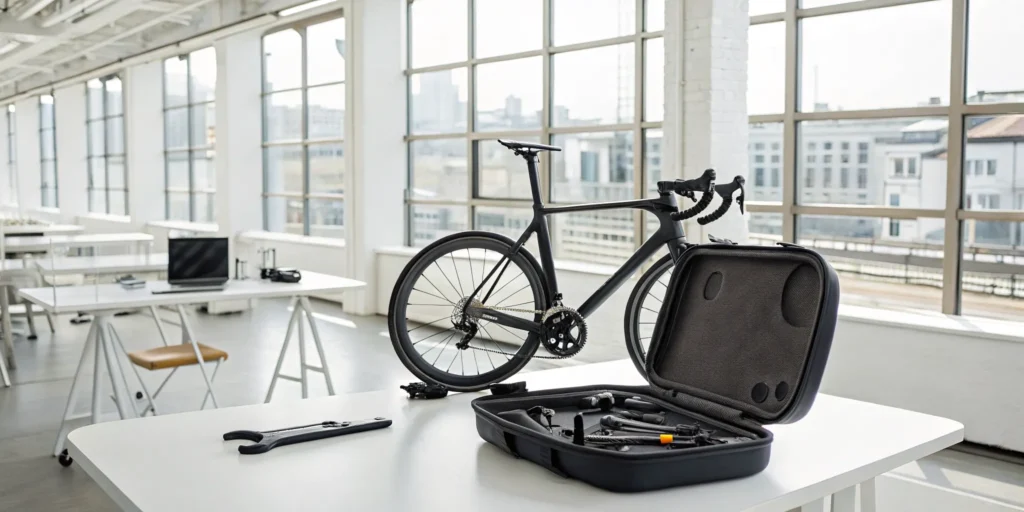
First, you need the right gear. Your main choice is between a sturdy cardboard bike box and a dedicated travel case. You can often get a cardboard box from a local bike shop, sometimes for free. While affordable, they offer less protection than a hard-shell or soft-shell travel case, which is a better investment for a valuable bike. Beyond the container, you’ll need packing tape, bubble wrap or foam pipe insulation for your frame, zip ties, and basic bike tools like Allen keys and a pedal wrench. Having the right packing supplies ready makes the process much smoother.
Follow This Step-by-Step Packing Guide
Ready to pack? Start by cleaning your bike, which makes it easier to handle. Next, disassemble a few key parts: remove the pedals, handlebars, and the seat post with the saddle attached. You may also need to take off the wheels. Wrap the frame tubes and fork with foam padding to protect the paint. Secure the handlebars alongside the frame with zip ties, ensuring no parts can rattle around. Place everything in the box, using extra padding to fill empty spaces. A thorough packing job is essential for keeping your bike safe during its journey.
Avoid These Common Packing Mistakes
A few common mistakes can put your bike at risk. One major myth is that your box will stay upright during the trip. In reality, it will be tilted and stacked, so pack accordingly. Another mistake is forgetting to protect fragile components like the rear derailleur; it’s best to remove it and wrap it separately. Also, secure small, loose items in a bag and attach it to the frame so they don’t cause scratches. A few extra precautions help you avoid the disappointment of a damaged bike upon arrival.
How to Read Customer Reviews
Reading customer reviews is more than just checking star ratings. It’s about digging into the details to understand the real customer experience. A few glowing reviews are great, but a consistent pattern of feedback, both good and bad, tells a much richer story. When you know what to look for, you can use reviews to see past the marketing promises and find a bike shipper you can truly trust with your ride. Think of it as getting firsthand advice from dozens of cyclists who have already been down this road.
Look for These Details in Reviews
When you’re scanning positive reviews, look for specifics that back up the praise. Vague comments like “great service” are nice, but they don’t tell you much. The most helpful reviews mention whether the company delivered on its core promises. For example, a top-tier company often receives feedback highlighting its commitment to providing a reliable service with fast delivery and competitive pricing. When you see customers repeatedly confirming that a shipper met its deadlines, charged fair prices, and was easy to communicate with, you can feel more confident that you’ll have a similar positive experience. These details are the proof behind the five-star rating.
Spot the Red Flags in Customer Feedback
Just as important as spotting the good is learning to recognize the red flags. A pattern of negative feedback around the same issues is a clear warning sign. Be on the lookout for complaints about poor communication or a lack of responsiveness, as these can turn a simple shipping process into a nightmare. Some customers have reported that a company “does not deliver promised services” and won’t help if something goes wrong. Another major red flag is the absence of essential features, with some users complaining about “NO TRACKING” despite being told it was included. One or two bad reviews can happen, but consistent complaints like these suggest a deeper, systemic problem.
Let Reviews Guide Your Choice
Ultimately, customer reviews should be a key part of your decision. Your goal is to find a company that consistently earns praise for its value and reliability. A shipper that is frequently mentioned for offering the best value for shipping bikes and gear is likely a solid choice. On the other hand, if you come across a company with a lot of mixed feedback, it’s wise to be cautious. Some services might connect customers with a wide network of drivers but receive inconsistent reviews on their actual service quality. Reading through this feedback helps you weigh the potential risks and benefits, so you can make a final choice with confidence.
Common Bike Shipping Myths, Busted
Shipping your bike for the first time can feel a little nerve-wracking. You might have heard stories from friends or read comments online that make you hesitant. The good news is that many of the biggest fears surrounding bike shipping are just myths. Let’s clear up some of the most common misconceptions so you can move forward with confidence. When you partner with a reliable shipper, the process is much smoother and safer than you might think.
Myth: Your Bike Will Get Damaged in Transit
It’s completely understandable to worry about your bike arriving with dings, scratches, or worse. After all, it’s a valuable piece of equipment. However, the idea that damage is inevitable is simply not true. Professional transport companies understand how important your bike is and use specialized equipment and packing techniques to keep it secure. While accidents are always a remote possibility, choosing a company that prioritizes careful handling as part of its shipping process dramatically reduces the risk. Proper packing is also a huge factor, so make sure you or your shipper secures your bike correctly before it hits the road.
Myth: The Quoted Price is Always the Final Price
This myth is tricky because, with some companies, it can unfortunately be true. Some people have experienced a “bait and switch,” where the initial quote is appealingly low, but hidden fees and surprise charges are added on later. A trustworthy company will provide a transparent, all-inclusive quote from the start. Before you commit, always ask if the price includes everything, like fuel surcharges and insurance. Don’t be afraid to get the quote in writing and clarify any line items you don’t understand. A company that is upfront about its pricing and services won’t have a problem answering your questions.
Myth: Basic Insurance Covers Everything
Assuming the standard insurance included in your shipping quote will cover the full value of your bike is a common mistake. Most carriers offer basic liability coverage, but it’s often limited and may not be enough to replace a high-end road bike or a custom mountain bike. Always read the fine print of the insurance policy to understand exactly what is covered and for how much. For valuable bikes, it’s wise to ask about purchasing additional insurance for complete peace of mind. A great shipper will be able to walk you through your options to ensure you have the right level of protection.
Shipping Your Bike Domestically vs. Internationally
Shipping your bike across the country is one thing, but sending it across a border introduces a few more steps. While the core process of packing and booking is similar, international shipping involves customs, extra paperwork, and potentially longer transit times. Think of domestic shipping as a direct flight and international shipping as one with a layover for a security check. The main thing to remember is that you’re not just moving an item from point A to point B; you’re officially exporting it from one country and importing it into another.
The key difference is working with another country’s rules and regulations. Each nation has its own set of laws for what can be imported, what taxes are due, and what forms are required. A reliable shipping partner can guide you through this, but it’s smart to understand the basics yourself. Knowing what to expect will help you prepare properly, avoid frustrating delays, and ensure your bike arrives safely at its new destination without any surprises. We’ll break down the main things you need to keep in mind when deciding between a domestic trip and an international adventure for your bike.
Get Your Paperwork Ready for International Shipping
If you’re shipping your bike to another country, paperwork is your top priority. When shipping internationally, you must have all the necessary documentation ready, including customs forms and any required permits. This isn’t just red tape; these documents tell customs officials what you’re shipping, its value, and where it’s going. Missing or incorrect paperwork is the fastest way to get your bike stuck at the border. Before you ship, create a checklist that includes a commercial invoice, a detailed packing list, and proof of ownership. A little organization upfront will save you a massive headache later.
Know What to Expect for Transit Times
Patience is a virtue, especially with international shipping. For deliveries within the USA, ground shipping usually takes one to six business days. International transit, however, can take several weeks depending on the destination and shipping method. The journey involves more than just travel time; your bike will also spend time being processed by customs in both the origin and destination countries. When you get a quote from a company like Roadrunner Vehicle Transports, ask for an estimated delivery window, not a guaranteed date. This helps you set realistic expectations and plan accordingly, especially if you need your bike for a specific event or trip.
Prepare for Customs and Import Duties
When your bike arrives in a new country, it will be subject to that country’s import laws. This often means paying customs duties and taxes. It’s essential to check the regulations of the destination country so you know what to expect. These fees are determined by the value of your bike and are separate from your shipping costs. Some shippers may offer services to help you calculate and prepay these charges, which can simplify the process. Doing your research beforehand prevents you from being hit with an unexpected bill just to get your bike released from customs.
Can You Save Money on Bike Shipping?
Shipping your bike shouldn’t cost more than the bike itself. While it’s an investment to get your ride safely from one place to another, there are smart ways to lower the cost without cutting corners on quality service. A little bit of research and asking the right questions can lead to significant savings. Most shipping companies want your business, and many are willing to offer deals, especially if you know what to look for. By being a proactive customer, you can find a shipping solution that fits your budget and gives you peace of mind.
Ask About Seasonal Deals
Timing can play a big role in how much you pay for shipping. Many companies adjust their pricing based on demand, which often follows a seasonal pattern. You might find lower rates during the off-season for cycling or, conversely, special promotions during peak times to attract customers heading to major events. Some bicycle shipping services build their entire business around providing better value than standard mail carriers. Don’t hesitate to call a potential shipper and ask if they have any seasonal deals or promotions running. A quick phone call could uncover a discount that isn’t advertised on their website, helping you keep more money in your pocket.
Check for Loyalty or Bulk Discounts
If you ship bikes often or need to transport more than one, you could be eligible for a discount. This is a great strategy for cycling teams, clubs, or families traveling for a race or vacation. Some companies offer loyalty programs for repeat customers, while others provide reduced rates for bulk shipments. You can also use online marketplaces where different transporters compete for your business, which can help drive down the price. Even if a company doesn’t explicitly advertise these options, it never hurts to ask. Explain your situation and see if they can offer a custom quote for your multiple-bike or repeat shipping needs.
How to Choose the Right Bike Shipper
Finding the right company to ship your bike can feel like a big decision. You’re trusting someone with a valuable, and often sentimental, piece of equipment. The key is to find a shipper that aligns with your specific needs, answers your questions clearly, and gives you the confidence that your bike is in good hands. By doing a little research and asking the right questions, you can find a partner who will get your bike to its destination safely and without any surprises.
Match the Service to Your Specific Needs
Every bike shipping scenario is unique. Are you sending a vintage road bike across the country for a race, or are you shipping a mountain bike internationally for a big move? The right shipper for you depends entirely on your priorities. Some companies, like Bikeflights.com, focus on fast delivery and excellent customer service, which is great if you’re on a tight schedule. Others might offer a more streamlined, tech-forward booking process. Before you start comparing quotes, take a moment to define what matters most to you. Is it speed, cost, insurance coverage, or the ability to ship to a specific international location? Knowing your non-negotiables will help you narrow down the options and find a service that’s a perfect fit.
Ask These Questions Before You Book
Once you have a shortlist of potential shippers, it’s time to dig into the details. Don’t hesitate to reach out to their customer service teams and ask specific questions. A reputable company will be happy to provide clear, straightforward answers. Start with the basics: compare their prices, read customer reviews, and check their availability for your timeline. Then, get more specific about how they’ll care for your bike. You can ask things like, “What are your requirements for packing my bike?” or “Can you explain your insurance options?” Understanding their process for handling and protecting your bike will give you valuable peace of mind. A company’s willingness to answer your questions is a great indicator of the customer support you can expect throughout the shipping process.
Make Your Final Decision with Confidence
Choosing a bike shipper isn’t just about finding the lowest price; it’s about finding the best value. The best value includes a fair price, reliable service, and the assurance that your bike will be treated with care. A trustworthy company makes the entire process feel simple and transparent. You should be able to get a quote, understand the shipping timeline, and arrange your shipment without any confusion. Look for a company with a clear, easy-to-understand shipping process outlined on its website. When you feel informed and supported every step of the way, you can book your shipment with confidence, knowing your bike is in great hands.
Related Articles
- How to Ship a Car: Complete Guide to Auto Transport | Road Runner Vehicle Transports
- How Much Does It Cost to Ship a Car? (Price Guide)
- How to Ship a Car to Another State: A Complete Guide
- The Cheapest Way to Ship a Car: A Complete Guide
- Car Shipping NYC: Your Ultimate 2026 Guide
Frequently Asked Questions
Should I use a company that only ships bikes or a general vehicle transporter? Your best choice really depends on your situation. A specialized, bike-only service can be great if you need custom packing solutions for a high-end racing bike. However, if your bike is part of a larger move with your car, using a general vehicle transporter like Roadrunner is much more practical. It simplifies the logistics by letting you coordinate everything through one company, which can also be more affordable than booking two separate shipments.
What’s the most important thing to know about shipping insurance? The most critical thing to understand is that the standard insurance included with your shipment might not cover the full value of your bike. Basic liability coverage is often limited. Before you book, you should always ask for the specific coverage amount and find out what the policy includes. For a valuable bike, it’s a good idea to ask about purchasing additional insurance to make sure you’re fully protected.
Do I have to pack the bike myself? While packing the bike yourself gives you the most control, it isn’t always required. Some specialized shipping companies partner with local bike shops that can pack it for you for a fee. When using a vehicle transport service, you will typically need to have the bike boxed and prepared for shipping. It’s always best to confirm the specific packing requirements directly with your chosen company before pickup day.
How can I avoid surprise fees on my final bill? The best way to prevent unexpected charges is to get a detailed quote in writing. Ask the company to confirm that the price includes everything, such as fuel surcharges, insurance, and any fees for residential pickup or delivery. A trustworthy shipper will be transparent about their pricing and happy to explain every line item. If a price seems unusually low compared to others, it’s a good signal to ask more questions.
What’s the biggest challenge when shipping a bike internationally? The biggest hurdle for international shipping is definitely customs. You have to prepare specific paperwork, like a commercial invoice and proof of ownership, and be ready to pay import duties or taxes when the bike arrives in the destination country. Transit times are also significantly longer than domestic trips, so planning far in advance is key to making sure your bike gets there when you need it.