
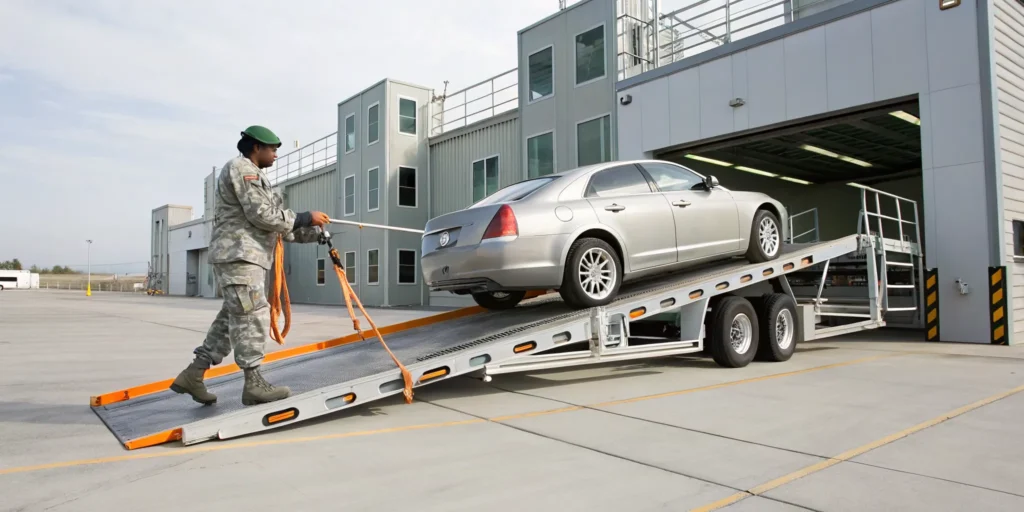
Your car is one of your most valuable assets, so handing the keys over to a transport company during a PCS move requires a lot of trust. You need a partner who not only gets your vehicle from point A to point B but also understands the unique pressures of a military relocation. That’s why choosing a company with experience in military car shipping is so important. These specialists know how to handle base access, work with unpredictable timelines, and manage the necessary paperwork. In this article, we’ll walk you through how to vet a shipping company, what questions to ask, and how to spot the red flags.
Key Takeaways
- Understand your entitlements and ask for a discount: The government typically covers shipping for one car on overseas moves, while for domestic moves, you can use the MALT mileage allowance to offset costs. Mentioning your military status when getting quotes is the easiest way to save money.
- Choose a carrier that specializes in military moves: Look for companies that understand the unique demands of a PCS, such as flexible scheduling for changing orders and familiarity with base access. Prioritize clear communication and read reviews from other service members to find a reliable partner.
- Prepare your vehicle and document everything: Before the carrier arrives, clean your car, remove all personal belongings, and take detailed photos of its condition. Carefully review the Bill of Lading (the inspection report) with the driver at both pickup and delivery to ensure you’re protected.
What Is Military Car Shipping?
When you’re in the military, moving is a part of life, but that doesn’t make it any less complicated. Military car shipping is a specialized service designed to make at least one part of your move, getting your car to your new station, much smoother. Unlike standard vehicle transport, this service is built around the unique needs of service members. This means you’ll often find companies that offer flexible scheduling to accommodate the unpredictability of military timelines, special discounts as a thank you for your service, and a deep understanding of military-specific logistics.
For example, a carrier experienced with military moves will know how to handle deliveries to a base and can help you with necessary paperwork, like a Power of Attorney form if you can’t be there for pickup or delivery. The goal is to provide tailored solutions that reduce the stress of a Permanent Change of Station (PCS) move. Instead of a one-size-fits-all approach, you get a service that recognizes and adapts to the demands of military life, ensuring your vehicle arrives safely and on time, wherever your orders take you.
Shipping Your Car During a PCS Move
A Permanent Change of Station (PCS) move comes with a long to-do list, and figuring out your vehicle is a big part of it. It’s important to know what to expect. If you’re moving overseas, the government usually pays to ship one privately owned vehicle (POV). This is a huge help, but what about moves within the United States? For those CONUS moves, you’re typically responsible for arranging and paying for your car’s shipment yourself. This can be especially tricky for military families with more than one car, as the logistics and costs can add up quickly. Planning ahead is key to making the process feel manageable and keeping your budget on track.
Finding Specialized Military Transport Services
When you’re looking for a company to ship your car, you’ll want to find one that truly understands the ins and outs of a military move. Look for carriers with a proven track record of working with service members. They’ll be better equipped to handle the specific timing and documentation your PCS requires. Don’t hesitate to ask about military discounts; many companies offer them for active duty members, veterans, and their families as a way of showing appreciation. Reading customer reviews can also give you a clear picture of the company’s reliability and level of service. The right partner will make you feel confident that your vehicle is in good hands.
How to Choose a Military Car Shipping Company
Choosing a car shipping company for your PCS move is a big decision. You’re not just handing over your keys; you’re trusting a company with a valuable asset during a stressful time. The right partner will understand the unique demands of a military relocation and make the process feel seamless. To find a reliable company, focus on a few key areas: their experience with military moves, the protection they offer, their communication style, and their flexibility. Taking the time to vet these aspects will help you find a carrier you can count on.
Look for Experience with Military Moves
When you’re searching for a transport company, prioritize those with a proven track record of handling military moves. As experts at Move.org note, it’s best to find companies that “know a lot about military moves.” These carriers understand the specific terminology, paperwork, and tight timelines associated with a PCS. They know how to coordinate with base access requirements and are familiar with the process of shipping a privately owned vehicle (POV). Look for companies that highlight their military transport services and read reviews from other service members to get a sense of their expertise. A company that specializes in military relocations can make a world of difference.
Review Insurance and Protection Options
Your vehicle is a major investment, so make sure it’s protected during transit. Every licensed auto carrier is required to have insurance, but the basic coverage might not be enough to cover every possibility. It’s smart to ask for a copy of the company’s insurance policy and find out exactly what it covers, including the deductible amount. Some companies offer supplemental or “gap coverage” that can help cover your deductible or other damages that the standard policy might miss. Don’t be afraid to ask detailed questions about their protection plans. Knowing your car is fully covered will give you peace of mind while it’s on the road.
Prioritize Clear Communication and Service
The auto transport industry can sometimes have issues with communication breakdowns or missed pickups. That’s why it’s so important to choose a company that makes customer service a priority. From your very first interaction, pay attention to how they communicate. Do they answer your questions clearly and promptly? A company that provides transparent information, like a detailed FAQ page, shows they care about keeping their customers informed. You should feel confident that you can easily reach someone if you have a question or need an update. A dedicated point of contact and regular status updates are signs of a professional and reliable service.
Confirm Flexible Scheduling for PCS Timelines
Military life is full of uncertainty, and PCS orders can change with little notice. A car shipping company that works with military families should understand this and offer flexible scheduling options. Before you book, ask about their policies for changing your pickup or delivery dates. As one military shipping guide suggests, it’s wise to “schedule your car pickup and delivery dates with extra time built in.” A good company will work with you if your timeline shifts. This flexibility is crucial for a stress-free experience and shows that the company is truly prepared to support the needs of service members during a relocation.
Are There Military Discounts for Shipping a Car?
The short answer is yes, absolutely. Many auto transport companies offer special discounts as a way to thank service members for their dedication. Think of it as a small gesture of appreciation that can make a real difference in your moving budget, especially when you’re managing all the moving parts of a Permanent Change of Station (PCS). When every dollar counts, finding a reliable shipper that also helps you save is a huge win.
These military car shipping discounts can significantly lower your overall costs. While the exact amount varies between companies and can depend on factors like the season or your shipping route, it’s a benefit worth asking about. Some companies offer a percentage off your total bill, which can be as high as 10%, while others provide a flat-rate discount. No matter the form it takes, taking a few extra minutes to inquire about military savings can put money right back into your pocket. It’s one less thing to worry about during a hectic relocation. This is a common practice in the industry, so you should feel confident asking about it upfront when you start gathering quotes.
Finding Military Savings
When you start looking for a shipping company, be on the lookout for those that specifically mention experience with military moves. These companies understand the unique timelines and requirements of a PCS. A great first step is to check their website or ask a representative directly if they offer a military discount. Don’t forget to read customer reviews, especially from other military families, to get a sense of their experience. It’s also good to know that many companies extend their military discounts beyond active-duty members to include veterans, reserves, National Guard members, and even military dependents. Always clarify who is eligible so your family doesn’t miss out on potential savings.
How to Claim Your Discount
Claiming your discount is usually a straightforward process, but you need to be proactive. The most important step is to mention your military status right from the start. When you’re requesting a price quote, let the shipping advisor know you’re a service member. This ensures they can apply the discount to your initial estimate. Be prepared to provide proof of your military service. You’ll likely need to show a valid military ID or another form of verification when you book your shipment. Keeping a digital copy on hand can speed up the process. By mentioning your status early and having your documentation ready, you can make sure you get the best possible rate for shipping your car.
How Does Military Coverage for Vehicle Shipping Work?
Understanding what the military will and won’t cover for vehicle shipping is a huge part of planning your PCS move. The rules can seem a little complicated at first, but they mostly come down to one key question: are you moving within the United States or overseas? The answer determines how much of the cost falls on your shoulders.
Knowing the official policy helps you budget accurately and decide whether driving or shipping your vehicle makes the most sense for your family. Let’s break down what you can expect so you can plan your move with confidence and avoid any financial surprises along the way.
What the Military Covers
When you receive orders for an overseas move (OCONUS), the government will typically pay to ship one of your privately owned vehicles (POVs) to your new duty station. This is a significant benefit that makes international moves much more manageable. If you have a second vehicle, you’ll have to cover the shipping costs for it yourself.
For moves within the continental United States (CONUS), the situation is different. In most cases, the military does not pay to ship your vehicle. The expectation is that you will drive it to your new location. However, there are exceptions, so it’s always a good idea to check with your transportation office to confirm the specifics of your entitlements based on your orders.
Out-of-Pocket Expenses to Expect
For a domestic PCS, you should generally plan to pay for vehicle shipping out of pocket. Since the military expects you to drive, they don’t provide a direct allowance for a professional shipping service. This means the cost of hiring a company like Roadrunner to transport your car, truck, or SUV will be your responsibility.
While this might seem like a downside, it gives you complete control over the process. You can choose the carrier, decide between open or enclosed transport, and set a timeline that works for your schedule. Many service members find that paying to ship one vehicle is worth the cost, as it frees them up to fly or drive the family’s other car without the stress of a cross-country road trip.
Understanding MALT for Domestic Moves
Even though the military doesn’t pay for CONUS shipping directly, they do offer a reimbursement that can help offset the cost. This is called the Monetary Allowance in Lieu of Transportation, or MALT. If your PCS orders authorize it, the military will pay you a flat rate per mile for driving up to two vehicles to your new duty station.
You can check the current MALT rates on the Defense Travel Management Office website. Many military families choose to ship one car and drive the other, using the MALT reimbursement from both vehicles to help cover the professional shipping cost. It’s a smart way to make your move easier without breaking your budget.
Comparing Overseas vs. Domestic Coverage
The difference between OCONUS and CONUS coverage is straightforward. For an overseas assignment, you get one vehicle shipped on the government’s dime. For a domestic move, you are responsible for getting your vehicles to the next base, but you can receive a mileage allowance (MALT) to compensate for your driving expenses.
Because of this, many families heading overseas choose to downsize to one vehicle or plan to purchase a “beater” car once they arrive at their new station. For domestic moves, the decision often comes down to convenience versus cost. Driving your cars is the cheapest option, but shipping one or both can save you valuable time and stress during a hectic PCS.
Open vs. Enclosed Transport: Which Is Right for You?
When you arrange to ship your car, one of the first questions you’ll face is whether to use an open or enclosed carrier. Each option has its own set of benefits, and the right choice really comes down to your vehicle, budget, and personal preference. Think of it as choosing between flying coach or first class. Both get you to your destination safely, but the experience and level of protection are different. Understanding these differences will help you make the best decision for your car and your peace of mind during your PCS move.
The Pros and Cons of Open Transport
Open transport is the most common and cheaper option, where your car is on an open trailer. It’s good for most everyday cars. This is the standard method you often see on highways, with vehicles secured on a two-level trailer. The biggest advantage is cost. Because carriers can fit more cars on a single truck, the price per vehicle is lower. There’s also more availability, which can make scheduling your shipment easier, especially on a tight PCS timeline. The main drawback is that your car is exposed to weather and road debris. While professional drivers are experts at safe transport, your vehicle will arrive needing a good wash.
When to Choose Enclosed Transport
Enclosed transport costs more but offers extra protection from weather and road debris because your car is inside a covered trailer. It’s recommended for valuable, classic, or luxury cars. This method provides complete protection, essentially creating a garage on wheels for your vehicle. If you’re shipping a classic car, a high-end luxury model, a custom-built vehicle, or a car with sentimental value, enclosed shipping is a worthwhile investment. It shields your vehicle from rain, snow, sun, and any potential hazards from the road. This is one of the tailored solutions that offers maximum security and peace of mind, ensuring your prized possession arrives in pristine condition.
How Much Does It Cost to Ship a Car for a Military Move?
Figuring out the budget for your PCS move is a big deal, and vehicle shipping is a key part of that puzzle. While costs can vary, knowing what to expect helps you plan. Let’s break down what goes into the price and how you can keep more money in your pocket.
What Factors Influence the Price?
On average, military members can expect to pay around $1,190 to ship a car. However, that number can shift based on a few key things. The biggest factor is distance. While a longer trip costs more overall, the price per mile actually goes down. A short 500-mile move might cost about $0.80 per mile, while a cross-country trip could be as low as $0.35 per mile. Your vehicle’s size and the type of transport you choose also play a role. Shipping a large truck will cost more than a compact sedan, and opting for an enclosed carrier for extra protection is more expensive than a standard open carrier. The time of year matters, too, as prices can tick up during peak moving seasons. Understanding how it works can help you see where these costs come from.
How to Save on Your Vehicle Shipment
The best way to save is to ask for a military discount. Many auto transport companies offer them as a thank you for your service, so don’t hesitate to inquire. Discounts can range from a percentage off to a flat rate of $100 or more. Beyond discounts, be sure to get quotes from a few different companies to compare your options. Some may even offer a price-match promise if you find a better deal elsewhere. Booking your shipment as far in advance as possible can also help you lock in a better rate, especially if you can avoid the busy summer moving season. Finally, if your car doesn’t need the extra protection of an enclosed trailer, choosing open transport is almost always the most budget-friendly choice. When you’re ready, you can contact us to get a clear quote.
Common Challenges to Avoid When Shipping Your Vehicle
Shipping your car should be a straightforward process, but a few common issues can pop up if you aren’t prepared. The auto transport industry can be tricky, with some customers reporting poor communication, surprise fees, or unexpected delays. Knowing what these potential bumps in the road look like ahead of time is the best way to ensure a smooth journey for your vehicle. The key is to partner with a transport company that values transparency and has a proven track record, especially with the unique demands of military relocations.
When you know what to watch for, you can ask the right questions and feel confident that you’re making the best choice. From understanding your quote to preparing the right paperwork, a little bit of prep work goes a long way in preventing headaches later on. We’ll walk through the most common challenges and give you actionable steps to sidestep them, so your car arrives safely, on time, and on budget. Choosing a company with a clear shipping process is the first step toward a stress-free experience.
Avoiding Communication Gaps and Delays
There’s nothing more stressful than being left in the dark about your vehicle’s whereabouts. Communication gaps are a frequent complaint in the shipping world, so it’s vital to choose a company that prioritizes keeping you informed. Before you book, ask about their process for providing updates. Will you get texts, emails, or access to an online tracking portal? A reliable company will have a clear system in place and make it easy for you to get in touch with a real person if you have questions. This proactive communication helps prevent the anxiety that comes with missed pickup windows or unexpected delays, making your entire PCS move feel much more manageable.
Watching Out for Hidden Fees
The price you’re quoted should be the price you pay. Unfortunately, some companies lure customers in with a low initial estimate, only to add extra charges later. These hidden fees can include anything from fuel surcharges to arbitrary service fees that weren’t mentioned upfront. To avoid this, always ask for a detailed, all-inclusive quote in writing. Make sure it clearly outlines what is covered. Don’t be afraid to ask directly, “Are there any other potential charges I should be aware of?” A trustworthy company will be transparent about their pricing from the start, giving you a firm price you can count on. This is a cornerstone of great customer care.
Protecting Your Vehicle from Damage
While damage is rare when you work with a reputable carrier, it’s a valid concern. Every professional driver is required to have insurance, but the coverage details can vary. It’s smart to ask about the insurance policy and what it covers before you commit. Some companies may even offer additional gap coverage for extra peace of mind. The single most important thing you can do is document your vehicle’s condition yourself. Take clear, well-lit photos and videos from every angle before the driver arrives. This creates a personal record that you can reference when you inspect your car upon delivery, ensuring any potential issues are handled smoothly.
Handling Power of Attorney for Overseas Moves
If you’re moving overseas or can’t be present for pickup or delivery, you may need a Power of Attorney (POA). A POA is a legal document that gives someone else the authority to act on your behalf, like releasing your car to the transport company. This is a common requirement for military moves, but not every shipping company is familiar with the process. Working with a carrier that has experience handling military car shipping is crucial. They will understand the specific paperwork involved and can guide you through the steps, preventing delays and ensuring all legal requirements are met without a hitch.
How to Prepare Your Vehicle for Shipment
Getting your car ready for transport is a key step for a smooth PCS move. A little prep work protects your vehicle and prevents headaches down the road. By following a few simple steps before the carrier arrives, you can ensure your car is set for a safe and efficient journey. Here’s what you need to do.
Your Pre-Shipment Checklist
First, remove all personal items from your vehicle, as they aren’t insured during transport. Give your car a good wash so any existing scratches or dings are visible. Be sure to take clear, time-stamped photos from every angle for your records. Finally, leave only about a quarter tank of gas in your car. This is enough for loading and unloading without adding unnecessary weight to the shipment.
Gathering Your Documents and PCS Orders
Have your paperwork ready to go. You’ll need your military ID, a copy of your PCS orders, and the vehicle’s registration. If someone else will be present for pickup or delivery, they’ll need a signed power of attorney. Keeping these documents organized makes the entire shipping process much simpler for everyone involved and ensures compliance with all regulations.
Conducting a Pre-Shipping Inspection
When the driver arrives, they will inspect your car with you and note its condition on the Bill of Lading (BOL). This is your chance to confirm any existing damage is documented correctly. Review this report carefully before you sign it. You’ll do this again upon delivery, comparing the car’s condition to the original BOL. This document is your primary record, so accuracy is crucial for your protection.
Arranging Vehicle Storage for Deployment
If your move includes a deployment, you may need to store your vehicle. Many transport companies offer secure storage options specifically for service members. This is a convenient way to keep your car safe while you’re away. When you book your transport, ask about storage solutions. Companies that handle military moves can often arrange this for you, providing peace of mind during your deployment.
Your Military Car Shipping Timeline
A Permanent Change of Station (PCS) involves a lot of moving parts, and your vehicle is a big one. Timing is everything when it comes to getting your car from your old duty station to your new one without a hitch. A well-planned timeline can make the entire process smoother, letting you focus on the other details of your move. From the moment you get your orders to the day your car arrives, knowing what to expect helps you stay in control. Here’s a breakdown of the key stages for shipping your car during a military move.
When to Book Your Vehicle Transport
Once you have your PCS orders in hand, it’s time to start planning your vehicle shipment. I recommend booking your transport at least two to four weeks in advance, especially if you’re moving during peak season (summer months). This gives you enough time to research companies that specialize in military moves, compare quotes, and secure a spot that fits your schedule. Starting early helps you avoid last-minute stress and potential price hikes. The booking process is straightforward, but giving yourself a buffer ensures you can find a carrier that meets all your needs without feeling rushed.
Syncing Shipping with Your PCS Orders
Your PCS orders are the key to your vehicle shipping plan. For overseas (OCONUS) moves, the government will typically pay to ship one privately owned vehicle (POV). For moves within the continental United States (CONUS), the military usually doesn’t cover direct shipping costs. Instead, they may offer a Monetary Allowance in Lieu of Transportation (MALT) for up to two vehicles you drive yourself. This is a set rate per mile intended to reimburse you for the cost of driving. Understanding how MALT works can help you decide whether to drive or pay out-of-pocket to ship your car.
How to Track Your Vehicle in Transit
Once your car is on its way, you’ll want to know where it is. Reputable transport companies provide tracking services that give you real-time updates on your vehicle’s location. This feature offers incredible peace of mind, allowing you to see your car’s progress from pickup to delivery. Most companies offer an online portal or a phone number you can call for updates. Knowing you can check in on your vehicle 24/7 lets you coordinate its arrival with your own travel plans and reduces the uncertainty that can come with a long-distance move.
What to Do on Delivery Day
When your car arrives at its destination, the final step is the delivery inspection. This is your chance to make sure your vehicle is in the same condition as when it was picked up. The driver will have a copy of the Bill of Lading, which is the initial inspection report. Walk around your car with the driver and carefully check for any new scratches, dings, or other damage. If you find anything, make sure it’s noted on the Bill of Lading before you sign any paperwork. A thorough inspection protects you and ensures a smooth handover.
Related Articles
- The Cheapest Way to Ship a Car: A Complete Guide
- The 6 Best Auto Shipping Companies of 2026
- How Much Does It Cost to Ship a Car? (Price Guide)
- Top Auto Shipping Companies in California Reviewed
- How to Ship a Car Direct: A Complete Guide – Road Runner Vehicle Transports
Frequently Asked Questions
Will the military pay to ship my car during a PCS move? This really depends on where you’re headed. If you have orders for an overseas move (OCONUS), the government will usually cover the cost of shipping one of your vehicles. For moves within the continental U.S. (CONUS), you are typically responsible for the shipping costs. However, the military does provide a mileage allowance, known as MALT, which can help offset the expense of driving or shipping your car.
How can I make sure I’m choosing a reliable shipping company? The best way to find a trustworthy partner is to look for a company with proven experience handling military moves. Pay close attention to how they communicate from the very first call; they should be clear, responsive, and transparent. Always ask for a copy of their insurance policy and read recent reviews from other military families to get a true sense of their service quality.
What’s the best way to save money on my vehicle shipment? Always start by asking about a military discount, as most reputable companies offer one. You can also save by booking your shipment as far in advance as possible, which often secures a better rate. If your car is a standard model, choosing an open carrier instead of an enclosed one is a great budget-friendly option. Getting quotes from a few different companies will also help you compare prices and find the best deal.
How far in advance do I need to schedule my car transport? It’s a good idea to book your vehicle transport at least two to four weeks before you need it picked up. If you’re moving during the busy summer months, giving yourself even more lead time is smart. Planning ahead gives you more flexibility with scheduling and often helps you lock in a more competitive price.
What happens if I can’t be there when my car is picked up or delivered? This is a common situation for service members. You can use a legal document called a Power of Attorney (POA) to designate a friend, family member, or colleague to act on your behalf. This person can sign the necessary paperwork and release or receive the vehicle for you. It’s helpful to work with a shipping company that is familiar with this process to ensure everything goes smoothly.