
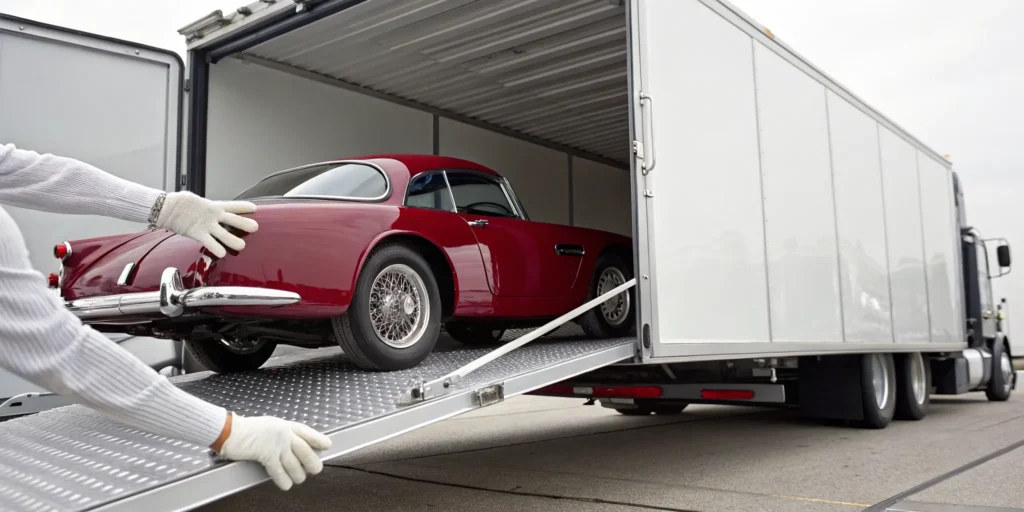
You finally found it: the perfect classic, exotic, or vintage car. It might be on the other side of the country, but you made the deal. Now comes the next crucial step: getting it home safely. The excitement of the purchase can quickly turn to anxiety when you realize you need a transport solution that goes far beyond the basics. This is where professional collector car shipping comes in. This guide will walk you through everything you need to know to bridge the distance, from vetting transport companies to understanding the paperwork, ensuring your new investment arrives in the exact condition you expect.
Key Takeaways
- Choose Enclosed Shipping for Complete Protection: This is the best way to safeguard your investment. An enclosed carrier shields your car from weather, road debris, and potential theft, ensuring it arrives in pristine condition.
- Vet Your Carrier Based on Expertise, Not Price: The cheapest quote can be a red flag. Instead, confirm your chosen company is fully insured, has a strong history of shipping collector cars, and uses the right equipment, like hydraulic lift gates for low-profile vehicles.
- Document Everything Before and After Shipping: Your preparation is key. Take detailed photos of your car’s condition before pickup and perform a thorough inspection at delivery, carefully reviewing the Bill of Lading to protect yourself.
Why Choose Enclosed Transport for Your Collector Car?
When you’re shipping a collector car, you’re not just moving a vehicle; you’re transporting a valuable asset and a personal passion. The standard shipping methods often fall short. Choosing the right transport is one of the most important decisions you’ll make in the process. Enclosed transport offers a premium level of protection that gives you complete peace of mind, ensuring your classic or exotic car arrives safely. Let’s look at exactly why this is the best choice for your prized automobile.
Protect Your Car from Weather and Debris
Imagine your car driving through a hailstorm or getting pelted by gravel on the highway. That’s the risk you take with an open carrier. Enclosed transport shields your vehicle from all of it: rain, snow, sun, and wind. More importantly, it protects your car’s delicate finish from road debris like rocks, dirt, and other grime that can cause chips, scratches, and dings. Your car is completely sealed inside a container, arriving in the same pristine condition it was in when you handed over the keys. This method is the best way to protect your investment from the unpredictable elements of a long-distance journey.
Keep Your High-Value Vehicle Secure
A beautiful collector car can attract a lot of unwanted attention on the road. Open carriers leave your vehicle exposed, making it a potential target for theft or vandalism. Enclosed shipping provides a discreet and secure solution. Since your car is completely hidden from view, it’s protected from prying eyes and potential threats. This added layer of security is crucial for high-value, rare, or one-of-a-kind vehicles. You can rest easy knowing your car is not only safe from the elements but also securely locked away during its entire trip. This level of protection is something standard insurance policies on open carriers might not fully cover.
Get Specialized, White-Glove Service
Shipping a collector car requires more than just a truck; it requires expertise. Companies offering enclosed transport typically provide a white-glove service. The drivers are specially trained to handle high-value vehicles and understand their unique requirements. The trailers are often equipped with features like hydraulic lift gates or special ramps to safely load low-clearance cars without scraping the undercarriage. This careful handling process minimizes the risk of damage during loading and unloading. When you choose enclosed shipping, you’re paying for a team that appreciates the value of your car and provides the specialized care it deserves.
How to Choose a Reputable Collector Car Shipping Company
When it’s time to ship your collector car, you’re not just moving a vehicle; you’re entrusting someone with a piece of history, a passion project, or a significant investment. Finding the right transport company is about more than just getting from point A to point B. It’s about finding a partner who understands the unique needs of classic, exotic, and high-value automobiles. The right company will have the experience, equipment, and processes to ensure your car arrives in the exact condition it left.
To find a carrier you can trust, you’ll need to do a little research. Vetting potential companies based on a few key criteria will give you peace of mind and protect your prized possession. Focus on their credentials, their specific experience with cars like yours, the quality of their equipment, and how they keep you informed throughout the journey. Taking these steps will help you partner with a truly professional and reliable shipping service.
Verify Licensing and Insurance Coverage
Before you go any further with a potential shipper, confirm they are fully licensed and insured. This is the absolute baseline for a reputable company. A legitimate auto transporter must be registered with the U.S. Department of Transportation and have a USDOT number. You should also ask for proof of their insurance coverage. Don’t just take their word for it; request a certificate of insurance and review it carefully. Understand the coverage limits and find out what the deductible is in case of a claim. Standard liability might not be enough for a high-value collector car, so clarify the specifics before you commit.
Look for Experience with Classic and Exotic Cars
Shipping a vintage Porsche is a world away from shipping a modern family sedan. You need a company that specializes in handling collector vehicles. Look for a carrier with a long history and positive reviews from other classic car owners. An experienced team knows the nuances of handling delicate, rare, and often temperamental automobiles. They understand the importance of careful loading, proper securing, and taking extra precautions. While specialized experience might come at a premium, the safety and security of your investment are well worth it. A company’s track record with similar vehicles is one of the best indicators of the service you can expect.
Review Their Equipment and Handling Process
The right equipment is critical for protecting your car. Ask potential carriers about their handling process and the tools they use. For instance, a top-tier company will use soft nylon straps to secure your vehicle, not metal chains that can scratch the undercarriage or damage the frame. For low-profile cars, a hydraulic lift gate is essential to prevent scraping during loading and unloading. Inquire about the type of transport trailer they use, especially if you’ve opted for enclosed shipping. A quality transport process prioritizes the safety of your vehicle at every step, and the equipment should reflect that commitment.
Ask About Real-Time Tracking and Communication
Once your car is on the road, you’ll want to know where it is and that it’s safe. A great shipping company will offer transparency and keep you in the loop. Ask if they provide GPS tracking so you can follow your car’s journey in real-time. This simple feature can provide incredible peace of mind. Beyond technology, consider their communication style. Will you have a dedicated point of contact? How often can you expect updates? Clear, consistent communication is a hallmark of excellent customer service and shows that a company values you and your vehicle.
What Factors Affect Collector Car Shipping Costs?
When you’re ready to ship your collector car, one of the first questions you’ll have is about the cost. The truth is, there’s no single price tag. The final quote depends on a few key details specific to your vehicle and your needs. Understanding these factors will help you see exactly what goes into the vehicle shipping process and plan for a smooth, secure transport. From the type of carrier you choose to the time of year you ship, each element plays a role in determining the cost. Let’s walk through the main components that influence your shipping quote so you know exactly what to expect.
Transport Method: Enclosed vs. Open
For a collector car, the choice between enclosed and open transport is one of the most critical decisions you’ll make. While open transport is less expensive, it leaves your vehicle exposed to weather, road debris, and potential security risks. For a standard daily driver, this might be fine, but for a high-value classic, it’s a gamble. We always recommend enclosed transport for collector vehicles. This method shields your car inside a covered trailer, protecting it from rain, sun, rocks, and dirt. Enclosed carriers often come equipped with special ramps for low-profile cars and are operated by drivers experienced in handling valuable automobiles, giving you complete peace of mind.
Shipping Distance and Route
It makes sense that the farther your car needs to travel, the more the shipment will cost. However, the price isn’t always a simple calculation of miles. The cost per mile actually tends to decrease on longer, cross-country trips. For example, a short trip under 100 miles might cost over $3 per mile, while a 1,000-mile journey could drop to just over $1 per mile. The specific route also matters. Shipping between major cities along popular interstate highways is typically more cost-effective than transporting a vehicle to or from a remote, rural location that requires a significant detour for the driver.
Vehicle Size, Weight, and Condition
The physical characteristics of your car directly impact the shipping price. Larger and heavier vehicles, like a vintage Cadillac or a classic truck, take up more space and weight on the carrier, which increases the cost compared to a smaller sports car. The condition of your vehicle is another important factor. If your car is not in running condition, it will require a winch and extra labor to load and unload it from the trailer. Be sure to let your shipping coordinator know if your car is inoperable so they can arrange for the right equipment, which will be reflected in your final quote.
Time of Year and Scheduling Needs
The auto transport industry experiences seasonal peaks and valleys, much like any other. Demand is highest in the summer and during the fall when snowbirds head south for the winter. Shipping during these peak times can be more expensive. If your schedule is flexible, you might find better rates during the off-season. Your timeline also plays a role. If you need your car picked up and delivered by a specific, urgent date, you’ll likely pay a premium for expedited service. Standard cross-country shipping usually takes about 7 to 10 days, so planning ahead can help you secure a better price.
Your Pre-Shipment Checklist for a Smooth Ride
Getting your collector car ready for its journey is a crucial step. A little preparation on your end helps us ensure everything goes off without a hitch. By following this simple checklist, you can rest easy knowing you’ve done your part to prepare for a safe and smooth transport experience from pickup to delivery.
Clean, Inspect, and Document Your Car’s Condition
First things first, give your car a good wash. A clean car makes it much easier to spot any existing dings, scratches, or paint chips. Once it’s sparkling, do a thorough walk-around inspection. Take clear, well-lit photos and videos from every angle, making sure to capture close-ups of any pre-existing damage. This documentation is incredibly important. It creates a clear record of your car’s condition before it’s loaded onto the truck and will be referenced when you sign the Bill of Lading at pickup. This simple step is your best tool for a transparent shipping process.
Remove Personal Items and Secure Loose Parts
Before handing over the keys, make sure to clear out all personal belongings from your car. This includes everything from sunglasses and phone chargers to documents in the glove box. Carrier insurance doesn’t cover personal items, so it’s best to remove them to prevent loss or damage. You should also secure or remove any loose or custom exterior parts, like spoilers, antennas, or luggage racks. These items can be vulnerable during transport. Standard vehicle equipment, such as a spare tire and jack, can stay. For more details on what is and isn’t allowed, you can always check our company’s FAQ.
Check for Mechanical Issues and Fluid Leaks
Your car should be in good working order for transport, but we understand that collector cars can have their quirks. Take a moment to check for any active fluid leaks, particularly oil, brake fluid, or coolant. If you find any, it’s best to have them repaired before shipping. It’s also essential to let us know about any mechanical issues we should be aware of. Does it have tricky brakes? Is the battery reliable? Being upfront about these things allows our team to handle your vehicle safely and properly. We offer a range of transport services and can accommodate most vehicle conditions with advance notice.
Leave About a Quarter Tank of Fuel
This one might seem a little odd, but it’s an important safety measure. Please make sure your car’s fuel tank is no more than one-quarter full. A small amount of gas is needed to drive the vehicle on and off the transport truck, but a full tank adds unnecessary weight and increases risk during transit. Draining the tank to the quarter-full mark is a standard industry practice that helps keep the overall weight of the carrier down and ensures a safer journey for every vehicle on board. It’s a small detail that reflects our commitment to safe and reliable transport.
What to Expect: From Pickup to Delivery
Once you’ve chosen a shipping company, the actual transport process begins. Knowing what happens next can make the entire experience feel much more manageable and secure. Shipping your collector car really comes down to three key stages: getting your quote and scheduling pickup, handling the paperwork when the driver arrives, and receiving your vehicle at its destination. Each step is straightforward, and being prepared for them ensures your prized car gets the care it deserves from start to finish. Let’s walk through what you can expect at every point in the journey.
Get a Clear Quote and Schedule Your Shipment
The first step is getting a clear, detailed quote for your shipment. To do this, you’ll provide information about your vehicle, including its make, model, and any modifications, along with your pickup and delivery locations. This is the perfect time to ask any questions you have about the entire process, from insurance coverage to estimated transit times. Once you’re comfortable with the details and accept the quote, you’ll work with the company to schedule a pickup window that fits your needs. Clear communication here is key to starting the shipping process on the right foot and ensuring there are no surprises later on.
Understand the Bill of Lading at Pickup
When the carrier arrives to pick up your car, you’ll complete a crucial piece of paperwork: the Bill of Lading (BOL). This document serves as both a receipt and a detailed condition report. The driver will inspect your vehicle with you and note any existing scratches, dings, or scuffs on the BOL. Review this document carefully before signing. Make sure you agree with the condition report, as the BOL acts as a contract between you and the transport company. This document is your primary record of the car’s pre-shipment condition, so take your time and ensure it’s accurate.
Perform a Final Inspection at Delivery
When your car arrives at its destination, your job isn’t quite done. Before you sign off on the delivery, perform a final, thorough inspection. Using the copy of the Bill of Lading from pickup as your guide, walk around the vehicle and check for any new damage that may have occurred during transit. It’s best to do this before the driver leaves. If you do spot anything new, be sure to note it on the final Bill of Lading before signing. This step is vital for protecting your investment and is necessary if you need to file an insurance claim for your vehicle shipping services.
Common Shipping Risks and How to Avoid Them
Shipping your collector car is a significant undertaking, and it’s completely normal to feel a mix of excitement and apprehension. You’ve poured time, money, and passion into this vehicle, and the thought of handing the keys over to someone else can be daunting. The journey from your garage to its destination is filled with variables, from unpredictable weather and road conditions to the simple mechanics of loading and unloading. These potential risks are real, but they are also entirely manageable with the right knowledge and the right shipping partner. This is where preparation meets peace of mind.
Instead of worrying about what could go wrong, you can take control by understanding the most common challenges in vehicle transport. Think of it as creating a protective bubble around your car for its entire trip. We’ll walk through the primary concerns that every collector should be aware of: environmental exposure, security threats, physical handling, and insurance coverage. By addressing each of these areas head-on, you can transform anxiety into confidence. The goal isn’t to scare you; it’s to empower you. Knowing how to prevent damage from road debris, deter theft, ensure safe loading, and verify your insurance coverage puts you in the driver’s seat of the shipping process. A smooth, successful transport doesn’t happen by accident. It’s the result of careful planning and choosing a company that treats your prized possession with the same level of care that you do.
Prevent Weather and Road Debris Damage
Open carriers are a practical choice for many vehicles, but they leave your car exposed to the elements. Imagine driving through a sudden hailstorm or getting stuck behind a gravel truck on the highway; that’s the environment your car would be in. For a collector vehicle with a flawless finish, the risk of sun damage, rain spots, or a single flying rock causing a chip is too great. The most effective way to shield your investment is by choosing enclosed transport. This method places your car inside a fully covered trailer, creating a secure cocoon that protects it from weather and road hazards. It’s the definitive way to ensure your car’s paint and bodywork arrive in the exact same pristine condition they were in at pickup.
Protect Against Theft and Vandalism
A stunning classic or exotic car is bound to turn heads, but on an open carrier, it can attract the wrong kind of attention, especially during overnight stops. The security of your high-value vehicle is paramount. Enclosed shipping offers a simple yet powerful solution: it keeps your car completely out of sight. This discretion is one of the strongest deterrents against potential theft and vandalism. When your vehicle is secured inside a locked, unmarked trailer, it’s protected from curious eyes and anyone with ill intent. This added layer of security is a core reason why owners of irreplaceable vehicles consider it a premium service worth investing in for total peace of mind.
Avoid Damage During Loading and Unloading
Some of the most critical moments in auto transport happen before the truck even starts moving. The loading and unloading process can be risky, especially for collector cars with low ground clearance, custom body kits, or delicate components. Standard ramps can easily cause scrapes to the undercarriage or front spoiler. A professional shipping company that specializes in high-value vehicles will use the right equipment for the job. Look for carriers that use hydraulic lift gates or extra-long, low-angle ramps. These tools allow your car to be moved on and off the trailer smoothly and horizontally, eliminating the risk of damage. It’s a process that requires both specialized equipment and a skilled operator.
Know Your Insurance and Documentation Needs
While all federally licensed auto carriers must have liability insurance, the standard coverage might not be enough to cover the full agreed-upon value of your collector car. It’s crucial to be proactive about protecting your investment. Before you finalize your shipment, ask the transport company for a copy of their insurance certificate and take a moment to understand the coverage limits and any deductibles. You should also call your own collector car insurance provider, as many policies offer protection during transit. Clarifying what’s covered by both the carrier and your own policy ensures there are no gaps, giving you financial security if the unexpected happens. You can often find more details in a company’s FAQ section.
Mistakes to Avoid When Shipping Your Collector Car
Shipping a collector car isn’t like sending a standard package. It’s a high-stakes process that requires careful planning to ensure your investment arrives safely. A few simple missteps can lead to stress, unexpected costs, or even damage. By being aware of the common pitfalls, you can make sure your car’s journey is smooth from start to finish. Let’s walk through the key mistakes to sidestep when you’re getting ready to ship your classic, exotic, or vintage vehicle.
Don’t Choose a Carrier Based on Price Alone
It’s always tempting to go with the lowest quote, but when it comes to your collector car, the cheapest option is rarely the best. Some companies that offer rock-bottom prices operate as brokers, hiring the lowest-bidding independent driver to move your vehicle. This can leave you in the dark about who is actually responsible for your car. Instead of focusing only on cost, prioritize value and reliability. A reputable carrier with a history of excellent customer care will provide peace of mind that’s worth the investment, ensuring your prized possession is in professional hands.
Always Document Pre-Existing Damage
Before your car is loaded onto the truck, it’s essential to create a detailed record of its current condition. Start by giving it a thorough wash. Then, walk around the vehicle and take clear, well-lit photos of every angle. Document any existing chips, scratches, or dents in writing and make sure your photos and notes are dated. This pre-shipment inspection report serves as your baseline. If any new damage occurs during transit, you’ll have clear, time-stamped proof to support your claim. Think of it as a bit of upfront work for total peace of mind later.
Understand Your Insurance Coverage and Deductibles
While all licensed auto carriers are required to have insurance, the coverage details can vary. Don’t assume the standard policy is enough to cover the full value of your collector car. Ask your shipping company for a copy of their insurance certificate and review the coverage limits and deductibles. You should also check your own collector car policy, as it may offer protection during transport. For high-value vehicles, you might consider a supplemental plan to ensure your investment is fully protected against any possibility.
Never Leave Personal Belongings in Your Vehicle
A car carrier is designed to transport vehicles, not personal items. Before pickup, make sure you remove everything from the car that isn’t bolted down. This includes things like custom floor mats, spare parts, documents, and any personal effects in the trunk or glove box. These items are not covered by the carrier’s insurance, so if they are lost, damaged, or stolen during transit, you won’t be compensated. Plus, loose items can shift and potentially cause damage to your car’s interior. It’s always best to ship your car empty.
How to Ship Different Types of Collector Cars
Not all collector cars are created equal, and their unique characteristics call for specific shipping approaches. Whether you have a slammed sports car, a project car that doesn’t run, or a priceless antique, understanding its needs is the first step to a successful transport. Choosing the right method ensures your prized possession arrives safely, without any unwelcome surprises. Let’s look at the best ways to handle a few common types of collector vehicles.
Low-Profile and Modified Vehicles
If your car sits low to the ground or has custom modifications like splitters and side skirts, you can’t just load it onto any trailer. These vehicles require special care to prevent expensive damage to the undercarriage or bodywork. The best solution is to find a carrier that offers enclosed transport services with a hydraulic liftgate or extended racing ramps. This equipment allows the car to be lifted horizontally onto the trailer, avoiding the steep angle of standard ramps that can cause scraping. When you book your shipment, be sure to provide the exact ground clearance measurements and mention any modifications so the transport company can assign the right truck for the job.
Non-Running or Project Cars
Shipping a car that doesn’t run presents a unique challenge: it can’t be driven onto the trailer. For these vehicles, you’ll need a carrier equipped with a winch. A winch is a motorized tool that carefully pulls the car into the trailer, ensuring a smooth and secure loading process without any manual pushing or potential damage. While open transport might seem like a cheaper option for a project car, enclosed shipping is still the smarter choice. It protects your vehicle from weather and road debris, which is especially important if it has a primered body or missing windows. A professional company will walk you through their shipping process to make sure they have the right equipment on hand.
High-Value or Rare Automobiles
When you’re shipping a rare or high-value automobile, there’s no substitute for the security of an enclosed carrier. This is about more than just protecting the paint job; it’s about safeguarding a significant investment. Enclosed transport shields your car from rain, sun, dust, and road hazards, while also keeping it out of sight from prying eyes. It’s also critical to discuss insurance. While every licensed carrier has insurance, the standard coverage might not be enough for a six-figure classic. Ask about the policy limits and consider supplemental insurance if needed. Choosing a reputable carrier that specializes in high-end vehicles will give you the peace of mind that your investment is in expert hands.
Related Articles
- Enclosed Carrier Car Shipping: The Ultimate Guide
- How to Get an Accurate Classic Car Shipping Quote
- Open Transport Car Shipping: Pros, Cons & Costs
Frequently Asked Questions
Is enclosed transport really necessary for my collector car? While open transport is a safe option for a standard vehicle, a collector car is a special investment. Think of enclosed transport as the best way to protect that investment. It completely shields your car from road debris, bad weather, and the sun’s rays. It also provides a layer of security, keeping your valuable automobile out of sight. For the peace of mind that your car will arrive in the exact condition it left, we always recommend an enclosed carrier.
What’s the single most important thing to do before my car is picked up? Document everything. After you’ve washed your car, take clear photos and videos of it from every angle, paying close attention to any existing scratches or dings. When the driver arrives, you will both inspect the car and note its condition on the Bill of Lading. This document is your official record, so review it carefully before you sign. This simple step ensures everyone is on the same page and is your best tool in the unlikely event of a claim.
How can I be sure the shipping company is legitimate? A reputable company will be transparent about its credentials. Ask for two things right away: their U.S. Department of Transportation (USDOT) number and a copy of their insurance certificate. A professional carrier will provide these without hesitation. You should also look for a company with a proven track record of shipping classic or exotic cars. Their experience with vehicles like yours is often the best indicator of the quality of service you can expect.
What happens if my car is damaged during shipping? When your car arrives, take your time and inspect it thoroughly before the driver leaves. Compare its condition to the notes on your original Bill of Lading. If you notice any new damage, you must note it on the final paperwork before you sign. Then, contact the shipping company immediately to begin the claims process. Your detailed notes and photos from before the shipment will be essential for a smooth resolution.
My car doesn’t run. Can you still ship it? Absolutely. We can transport non-running or inoperable vehicles, but it’s very important that you tell us this when you book your shipment. Cars that don’t run require a truck equipped with a winch to safely pull the vehicle onto the trailer. Letting us know the car’s condition in advance ensures we send the right equipment and driver for a safe and efficient pickup.