Fleet Vehicle Transport Planning Checklist
Moving twenty vehicles is not the same as shipping one car. A dealership, rental operator, service business, or corporate team needs a clean plan before the first carrier is assigned. Without that plan, small gaps in vehicle data can turn into missed pickups, unclear costs, and delivery delays.
Get a Fleet Vehicle Transport Quote
Fleet vehicle transport is the planned movement of multiple cars, trucks, or vans for a business. For dealerships and fleet managers, a good plan starts with a complete vehicle manifest, clear pickup and delivery contacts, inspection records, realistic scheduling, and accurate quote details. Road Runner Vehicle Transports works as a transportation logistics broker, coordinating with vetted independent carriers rather than acting as the carrier itself.
This checklist is built for business operators who need to move several vehicles with fewer surprises. Use it before you request pricing, assign staff, release keys, or set customer delivery dates.
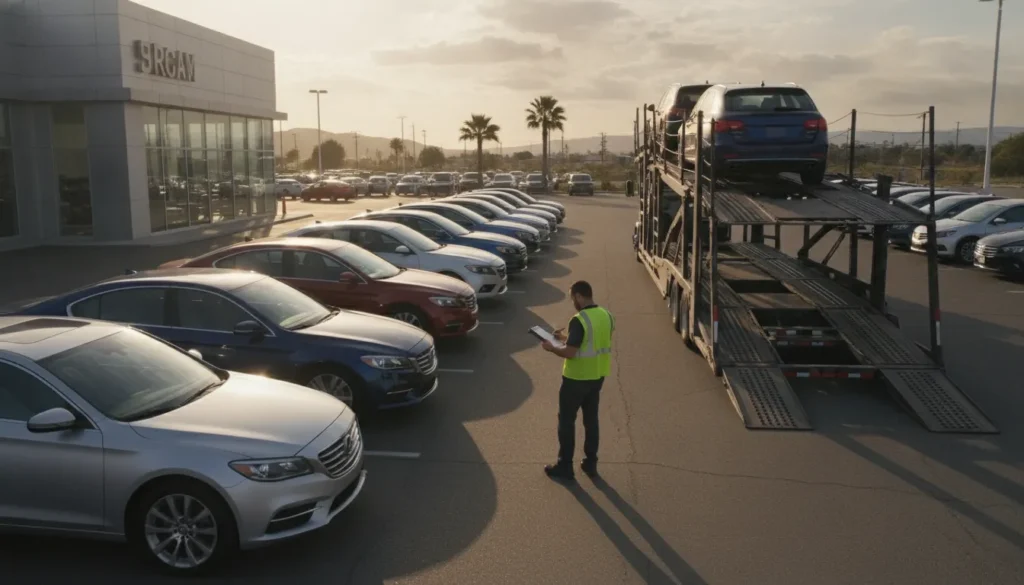
Fleet vehicle transport planning starts with a complete manifest.
Fleet vehicle transport planning starts with a complete manifest
Quick answer: A complete manifest ties every VIN, key, condition note, pickup site, and delivery contact to the right vehicle before carriers are assigned.
Planning for fleet vehicle transport requires a clear and full manifest. This list is the backbone of any large shipping move. It helps nationwide fleet vehicle transport work track each unit from the start to the end. A manifest ensures that both the shipper and the broker know just what is on the truck at all times.
The role of a shipping manifest
A manifest acts as a map for your logistics team. It lists every car, truck, or piece of gear in the shipment. This tool helps avoid mix-ups during the nationwide fleet vehicle transport work process. For business owners, having a set list makes it easy to check stock when the cars arrive at their new home.
Using a manifest also helps with cost-saving. Proper fleet management can save money by making upkeep and moves fast, as seen in the General Services Administration. When you know the status of every vehicle, you can plan your routes better and reduce downtime for your business work.
Must-have details for your fleet list
Your manifest must include set data for each vehicle. Start with the Vehicle ID Number (VIN). This 17-digit code is the only way to track a car with full care. You also need to list the year, make, and model of each unit. This helps the carrier know the size and weight of the load before they arrive for pickup.
Always note if a car runs and drives. This is called the running status. Non-running cars need special tools like a winch to get onto the trailer. You should also list license plate numbers or stock tags. If you have special notes about keys or loose parts, put them on the list too. This level of detail helps with managing multi-vehicle dealership fleet transport without any delays.
Planning for business and dealership needs
Auto dealerships and firms often move many cars at once to keep their stock fresh. Fast logistics allow these groups to maintain high stock turnover and keep sales moving. A strong partner will offer a helpful approach to help you request fleet transport pricing that fits your set business goals.
- Include full VINs for all units to ensure tracking.
- Mark which vehicles are “inop” or non-running.
- Pair origin and end points clearly for each car.
- Confirm that all sets of keys are present and tagged.
By keeping a full record, you help your broker find the best carrier for the job. Fleet vehicle transport works best when the logistics plan is solid from day one. This keeps your stock safe and ensures your business stays on track throughout the move.
Confirm operability, access, and vehicle condition before quotes
Quick answer: Quotes are more accurate when each unit is marked as running or inoperable and each site has clear loading access notes.
Good planning is a core part of any fleet vehicle transport job. Before you request a quote, confirm which vehicles run, which ones need help to load, and which locations may be hard for a large carrier to reach. Clear facts help a broker match the job with the right carrier.
Running and non-running units
A running vehicle can start, steer, brake, and roll under its own power. A non-running vehicle may need a winch, lift, or other loading support. If even one unit does not run, note it in the quote request and on the manifest.
Do not wait for pickup day to share this. A carrier that arrives without the right equipment may not be able to load the vehicle. That can create delays, extra coordination, and a new carrier search.
Lot access and loading space
Car carriers need room to enter, turn, load, and leave safely. Check each pickup and delivery location for low branches, tight gates, steep ramps, posted truck limits, and blocked streets. If the main lot will not work, choose a nearby safe meeting point in advance.
For multi-location moves, write access notes for each site. Include gate hours, after-hours rules, security contacts, and where vehicles will be staged. This helps keep nationwide fleet vehicle transport services on schedule.
Batteries, tires, alarms, and EV charge
Check the basics before the carrier arrives. Batteries should have enough power to start the vehicle. Tires should be inflated enough for loading. Alarms should be off, and keys should be ready for the driver.
For electric vehicles, leave enough charge for loading, unloading, and short site moves. For modified vehicles, list lift kits, lowered suspension, wide tires, roof racks, toolboxes, or other changes that affect height, width, or weight.
Condition notes that affect planning
Share known leaks, brake issues, steering problems, or missing parts before the quote is built. These details do not need to be complex. They just need to be honest and easy to match to the right VIN or stock number.
Accurate condition notes help your broker plan the job with fewer surprises. They also support pricing transparency, which is important for business teams that need clean budgets and clear approval steps before they start a business vehicle shipping quote.
Set pickup and delivery contacts for every location
Quick answer: Every origin and destination should have a primary contact, backup contact, hours, gate details, and vehicle release authority.
Top fleet vehicle transport relies on clear plans for every site. When you move many cars across many states, each spot needs its own contact. This person handles the daily tasks that keep your work on track. They make sure that a driver can get to the cars without any wait.
Organize site details
Each pickup and delivery spot has its own needs. You must give exact work hours and gate codes to the broker. If your cars are in a dock or a lot, give clear steps on how to find them. This help lets the carrier move fast through their nationwide fleet vehicle transport services without lost time.
It is also smart to name a backup contact for each spot. If the main person is busy, a second person can step in to help. This keeps the flow of work moving. The GSA notes that a full fleet plan needs good prep to stay flexible. Having more than one contact ensures that the driver always has someone to talk to at the site.
Manage vehicle release authority
You must state who has the power to release each car. The driver will need a sign-off at the start and the end of the trip. Make sure your team knows that Road Runner Vehicle Transports is a broker that runs the process. They work with a team of vetted carriers to move your fleet in a safe way.
Your contacts should be ready to check the cars for any marks before they leave. This check protects your firm and helps with any claims later. By setting these roles early, you help the broker find the right person for every step. This prep saves money and keeps your fleet on the road where it belongs.
Build inspection records before the carrier arrives
Quick answer: Photos, odometer readings, key labels, and Bill of Lading notes protect the business and make delivery checks easier.
When you prepare for fleet vehicle transport, clear records are your best tool. Good notes help you track the state of your assets from start to finish. This process protects both the business and the carrier during the move. For business fleets, keeping things in order helps maintain high standards of fleet care and safety.
Record the state of each unit
Start by taking clear photos of every car in the shipment. Capture images of all four sides, the roof, and the inside. Focus on any dents, scratches, or chips in the paint. Good photos serve as proof of the car’s state before it leaves your lot. You should also take close-up shots of the wheels and glass. These areas often see small chips that are easy to miss during a quick walk-around.
You should also record the odometer reading for each unit. Note the exact mileage on your check sheet. This step ensures that no extra miles are put on the cars during the trip. Keeping these notes helps you manage your nationwide fleet vehicle transport services with full trust. If you see a large change in the gauge at the end, your records will show when it happened.
Secure keys and loose items
Remove all personal items and loose parts from the cars. This includes toll tags, spare change, and roof racks. Such items can shift or get lost during the trip. Most carriers want the cabin to be empty to stay within weight limits and safety rules. An empty car is also less likely to tempt theft during stops along the way. Make sure to check the glove box and trunk for any fleet papers that should stay in your office.
Gather all sets of keys for each car. You will need to hand these to the driver at pickup. Make sure each set has a clear label with the unit number or VIN. This simple step stops delays when the carrier arrives to load the fleet. Having a spare set of keys at your home office is also a smart move. It ensures you have access to the car if a set goes missing during the move.
Review the bill of lading process
The bill of lading (BOL) is a key paper in the shipping process. It acts as both a receipt and a contract for the move. When the driver arrives, you will do a joint check. You must note any old damage on the BOL before you sign it. Do not feel rushed during this step. The driver expects to spend time looking over the cars to ensure the records are right for both sides.
At delivery, one more check takes place. Compare the car’s state to the notes made at pickup. A fleet lead or an approved staff member must be there to sign the form at both ends. This sign-off shows that the job is done or flags any new issues for review. If you find a new scratch, note it on the BOL before the driver leaves. This is the best way to keep your fleet in top shape as it moves across the country.
Pre-shipping check list
- Take 10 to 15 photos of each car.
- Write down the exact mileage from the gauge.
- Check for and note any glass chips or scratches.
- Remove toll tags and all personal items.
- Label and group all sets of keys.
- Pick a person to sign the bill of lading at each end.
How should businesses schedule multiple vehicle moves?
Quick answer: Start early, group vehicles by route and site access, and leave enough pickup window flexibility for carrier availability.
Shipping many cars at once takes careful planning. When you move a fleet, you must think about more than just one car. You need to manage pickup times, routes, and carrier availability. A professional nationwide fleet vehicle transport services broker can help you track these steps. They work with a network of vetted carriers to keep your move on track. This helps businesses maintain reliable fleet vehicle transport and inventory movement.
Give enough lead time
Start your planning early. For a single car, a few days might work. But for a fleet, you should start two or three weeks before you need to move. This extra time lets your broker find the best carrier for your job. It also helps you avoid higher costs from last-minute booking. If you ship during busy times like holidays, you may need even more lead time.
Use a structured workflow
Following a set list of steps helps prevent mistakes. A clear share your fleet details for pricing process keeps everyone on the same page. You should know what happens at each stage of the move. This starts from the first quote and goes all the way to the final delivery. Most fleet moves follow a standard sequence to ensure success. Professional logistics partners offer a consultative approach to help you through these steps.
- Request a quote and share your full list of vehicles.
- Review the quote and place your order.
- Wait for your broker to assign a vetted carrier to your move.
- Prepare each vehicle for pickup at the set time and place.
- Track the transit of your fleet across the country.
- Accept the delivery and pay the remaining balance to the carrier.
Plan for pickup windows
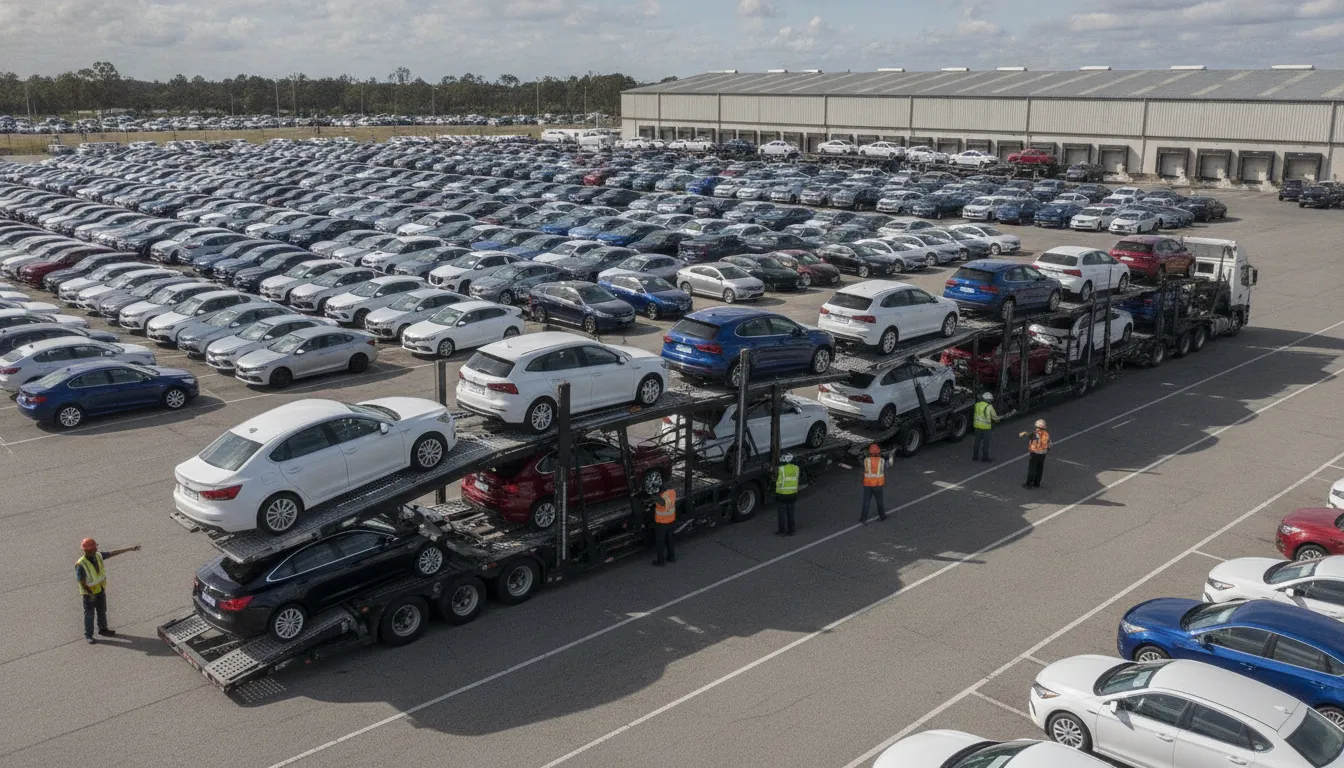
Fleet moves often need larger windows for pickup and drop-off. If you have many cars, they might not all fit on one truck. A single large carrier can hold about nine cars. If you have more, you may need multiple trucks. This can mean different pickup times for each group. Coordination is key to fleet management when using several trucks.
Batch versus staged shipments
You must decide if you want to ship all cars at once or in groups. Shipping in one batch is often faster but needs more space at the pickup site. Staged shipping means sending cars in smaller groups over a few days. This can be easier to manage if you have limited staff or space. Talk to your broker about which path fits your business needs best. Efficient logistics allow dealerships to keep inventory moving without delay.
Quote inputs that make fleet vehicle transport more accurate
Quick answer: Accurate quote inputs include VINs, vehicle dimensions, running status, route, timing, transport type, and special access notes.
Getting a precise price for nationwide fleet vehicle transport services depends on the details you share during the first step. To start the process, you should use a clear request a multi-vehicle transport quote tool that asks for specific fleet data. This helps a broker find the right carrier and avoid price changes later. Since fleet vehicle transport involves many cars, even small errors in your quote input can lead to cost spikes.
Essential fleet shipping details
You must provide the year, make, and model for every car in your fleet. Larger trucks or vans take up more space and weigh more than small cars. These factors change how a carrier packs their trailer. You should also state if the cars run or if they are “inoperable.” Moving cars that do not start needs special winches or ramps. Providing this info early ensures the carrier brings the right gear for the job.
Timing is the next big factor for business logistics. You should share your target pickup and delivery dates as early as you can. For corporate moves, knowing who to call at each stop is vital. You will need to give the names and phone numbers for the people at the pickup and drop-off points. This keeps the move on track and helps the driver coordinate with your staff on site.
Comparing key quote inputs
| Quote Input | Why It Matters | Effect on Cost |
|---|---|---|
| Vehicle Count | Helps plan trailer space for the fleet. | High |
| Car Condition | Tells the carrier if they need a winch. | Medium |
| Pickup Dates | Sets the timeline for carrier search. | High |
| Transport Type | Chooses between open or enclosed trailers. | Medium |
| Special Access | Checks if big rigs can enter the lot. | Low |
Location and payment facts
Sharing the exact zip codes for the origin and destination is a must for a firm price. Carriers use these to map out fuel costs and toll fees across the country. According to the General Services Administration (GSA), fleet solutions help save costs by handling the overall management of vehicles. This lets business owners focus on their main goals while the broker handles the route details.
Finally, you should know how the payment works for your move. Most brokers charge a fee when you place the order. You then pay the rest to the driver when they deliver the fleet. Being clear about your payment needs helps the broker set up a smooth deal. This quote request step is the base for a successful move from start to finish.
What is the difference between freight and fleet transport?
Quick answer: Freight moves goods or pallets; fleet transport moves vehicles as individual assets that need VIN tracking, inspections, and carrier coordination.
Knowing the gap between freight and fleet shipping is key for any firm. Freight mostly means moving large loads of goods or bulk cargo. It involves boxes, crates, or raw items on pallets. Fleet transport is other because it moves the vehicles that a firm owns or uses. For firms like car lots, fleet vehicle transport is the act of moving their stock from one place to the next.
What makes freight transport unique?
Freight moves products through trucks, ships, or planes. Most freight travels in containers or as loose items on a big scale. Firms use this to get parts to a shop or to send goods to a store. This type of shipping is about the weight and size of the cargo. It does not focus on the car or truck doing the work.
Large freight jobs often need big tools for loading. You might see cranes or forklifts moving these heavy loads. The goal is to move as much as possible at a low cost. While freight moves what a firm sells, fleet work moves the tools they use to sell it.
How fleet vehicle transport works
Fleet transport deals with the cars and vans a firm needs for its daily tasks. This includes firm cars, delivery vans, and rental stocks. Unlike freight, this work cares for each vehicle as a single unit. Good fleet tools help save costs by making the most of how cars are bought and kept. It is a vital part of staying ready in a fast market.
Car lots use this to keep their lots full of the right models. When a store needs more SUVs, they move them from a hub to the lot. Moving stock in this way is a core part of fleet work. It ensures that the right asset is in the right spot at the right time.
The role of a broker in fleet moves
Most firms do not own the trucks that move their fleets. They work with a broker to find a safe carrier. The broker checks the safety and insurance of the driver for you. This saves time and keeps your cars safe during the trip. Brokers act as the link between the fleet owner and the truck driver.
A good partner manages the whole path from pickup to the final stop. They handle the talk with the carrier and track the work. This lets business owners focus on their main tasks. Using a broker means you get expert help without the high cost of a full staff.
Frequently Asked Questions
How do fleet vehicles work?
Fleet vehicle transport involves the planned movement of many cars for business needs. Per Road Runner Vehicle Transports, this process helps dealers and fleet bosses move stock or business cars across the country. Brokers manage the whole task. They find vetted haulers and track each drop. This approach gives firms more choices without the need to own shipping trucks or hire drivers. It is a key part of keeping stock moving fast for many car firms.
What’s the difference between freight and fleet?
Freight shipping mostly moves goods or items in boxes on trucks or trains. Fleet transport moves a group of cars owned by a firm or dealer. While freight uses pallets, fleet shipping uses open or closed car haulers. Based on Road Runner, fleet moves need special care for each car. This includes checking safety ratings and insurance for every hauler. Both need a clear plan, but fleet shipping aims at moving cars as whole units.
What is the average cost to transport a vehicle?
The price to ship a car changes based on miles, car type, and fuel costs. For firms moving many cars, total rates depend on the size of the order and the route. Per the GSA, using a shared service can help lower these costs. Most brokers charge a fee when you place the order. You pay the rest of the bill to the hauler when the cars arrive.
How do you plan bulk vehicle transport for dealers?
Planning a bulk move starts with a list of cars and a firm date. Dealers should work with a licensed broker to check that each hauler has cargo insurance and valid permits. This step keeps your assets safe during the trip. For moves in the lower 48 states, Road Runner suggests a clear plan. This includes getting a quote, placing the order, and picking a hauler. Open pricing helps bosses avoid hidden fees and stay on budget.
Suggested inbound links after approval
After customer approval and publication, Road Runner Vehicle Transports can strengthen this draft with contextual links from existing vehicle shipping pages. Suggested inbound placements include the homepage service section linking with the anchor “fleet vehicle transport planning,” the quote page support copy linking with “multi-vehicle transport checklist,” and the existing dealership-focused blog post linking with “prepare several vehicles for transport.” These planned links are documented for implementation after the blog publishing pause is lifted.
Are you ready to request a fleet vehicle transport quote now?
Waiting to book your next fleet move can lead to deep gaps in your lot stock and slow down the pace of your business sales. Booking your transport plan now helps you lock in a fair price and keeps your cars moving on a clear timeline. Do not let high costs eat your profits when you can check our nationwide services to see how we help you get cars home safely.
Ready to request a fleet vehicle transport quote? Request a fleet vehicle transport quote now to get your free price and start your move. A clear quote request helps Road Runner Vehicle Transports match the move with an appropriate carrier and timeline.