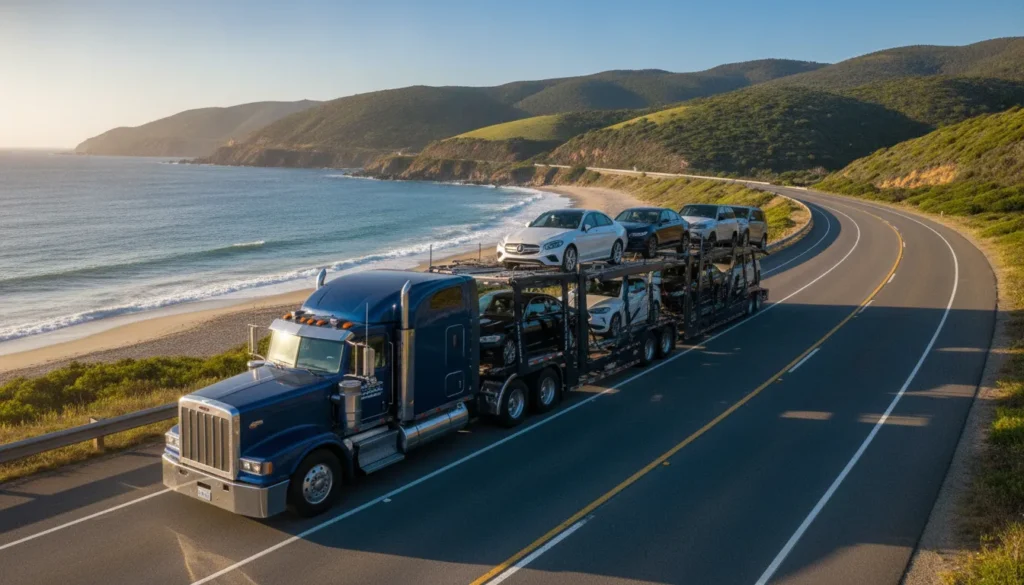
Waiting for a carrier to pick up your car can feel like the longest part of the journey. This waiting period is actually a high-speed logistics puzzle where experts match your route with a vetted driver.
The auto transport dispatch process is the main link that connects your booking request with a licensed and vetted carrier. During this stage, a broker assigns your shipment to a driver with the right truck and a matching route for your pickup spots. As shown by A-1 Auto Transport, the average time to dispatch a vehicle is about four days. This time can change based on your route and the season. This phase ensures your car is placed on a truck that meets high safety rules while keeping the driver’s load full and the price fair. Once a carrier is found, the dispatcher confirms the pickup window and shares the driver’s contact details so you can get ready for the move. This backend work is what makes nationwide car shipping possible for everyone.
You might wonder what steps happen once you pay your deposit and wait for the carrier to call. Knowing the details of What Is the Auto Transport Dispatch Process? helps you set clear goals for your move. The journey from a booked order to a set pickup day involves layers of work. The path begins with
What Is the Auto Transport Dispatch Process?
The auto transport dispatch process is the part of your move where a broker finds the right truck for your car. It acts as the bridge between you booking a job and a driver coming to pick up the vehicle. During this phase, a broker like Road Runner Vehicle Transports looks at a large network of checked truck firms. They find a driver who is already heading your way with the right tools to move your car safely.
Road Runner works as an asset-light broker. This means we do not own a fleet of trucks or hire drivers ourselves. Instead, we use our skills to find the best match for your needs. We check each driver to make sure they have a good safety rating before we give them the job. This helps make sure that your car is in good hands from the very start. It is a key part of the dispatch and carrier assignment phase for every car we ship.
A key step in shipping logistics
In our eight-step workflow, dispatch is the fourth step. It starts right after you accept a quote and pay the broker fee. At this point, the order goes into a system where pros see it. These pros act as a main point of contact for drivers and you. They look at route maps and driver schedules to find the fastest way to get your car moving. This helps keep the auto transport dispatch process smooth and clear for everyone.
The goal is to match your car with a truck that has the right space and tools. For example, some people want an open trailer while others need an enclosed one for a rare car. The dispatcher makes sure the truck can handle the weight and size of your vehicle. They also check that the driver follows U.S. rules for hours of service. This careful planning is a big part of how we manage the move.
How brokers and carriers connect
Brokers and carriers stay in touch using web tools like load boards. A dispatcher uses these boards to find trucks that are already near your pickup spot. They also check that the carrier has valid insurance to cover your car while it is on the road. This check is vital for how shipping logistics work today. It helps protect you and your vehicle during the long trip across the country.
By using a broker, you get access to many checked truck firms at once. You do not have to call each one yourself to find a spot. The broker does the hard work of checking licenses and finding a fair price for the trip. Once a driver is found, the broker assigns the job. They give the driver all the details about your car and where it needs to go. This makes the shift from booking to pickup much easier for you.
The timeline for your assignment
Many people want to know how long this part takes. The time it takes to find a truck can change based on the route. It often depends on where you are and where you are going. On average, it takes about four days to find a driver and set a date. But sometimes it can happen in a single day if the route is very busy. Seasonal demand can also change how fast we find a truck for you.
Once a driver is set, you will get a note from us. This will include the likely dates for pickup and the phone number for the driver. It is a good idea to know what to expect from quote to dispatch so you can be ready for the truck. After the driver is assigned, the setup is almost done. The next step is for the driver to arrive, check the car, and start the trip.
How Auto Transport Dispatch Works: Step-by-Step
The auto transport dispatch process is the bridge between your booking and the pickup. Once you accept a price, our team starts the work to turn your order into a live shipment. This phase uses careful planning to move your car safely and on time. We take the time to find a truck that fits your needs and your schedule.
Checking shipment facts
First, we look at your order to make sure every fact is right. We check the car type, the pickup spot, and the final stop. This step helps us avoid delays once the truck arrives at your door. We also check if you chose an open trailer or a closed one for better safety. Our team looks for any special needs, such as if the car does not run or has a low frame. Getting these facts right early keeps the whole move on track.
Planning the travel path
Next, we look for the best driver for your route. We study maps and check which trucks are nearby and ready to work. We match your car’s needs with the right truck gear. For example, a heavy SUV needs a different truck than a small sedan. This matching step helps your car fit well and stay safe during the trip. We also look at road work and weather to pick the best path for the driver to take.
- Review the booking. We check all pickup and drop-off facts to ensure the details match our carrier data. This avoids wrong spots or missed stops.
- Map the path. Our team checks road states and traffic to find the fastest and safest route for the driver to follow.
- Pick a vetted driver. We search our network for a carrier with the right gear and high safety scores. We check their past jobs to ensure they are a good fit.
- Confirm the job. Once we find a match, we send the dispatch order to the driver to lock in the work. The driver then plans their stops around your car.
- Send the data. We give you the driver’s name and phone number. This way, you can talk to them and know clearly when to expect them at your home.
Vetting the carrier network
We only work with drivers who pass a strict check. We verify their insurance and safety record before they handle your car. This keeps your vehicle in good hands. During the dispatch and carrier assignment phase, we focus on quality over just finding the first truck free. We want to be sure the driver has a clear past of safe hauls and happy clients.
All pickup and delivery dates are rough dates. The road can be hard to predict for even the best drivers. Things like bad weather or heavy traffic can change the plan. The Department of Transportation sets strict hours of service rules to keep drivers safe on the highway. These limits mean drivers must rest, which can change when they get to you. We do not promise set dates, but we work hard to keep you on track and keep you posted at every step.
Key Factors That Influence the Dispatch Timeline
The auto transport dispatch process starts after you book your order. This stage is when a broker finds a truck to move your car. It usually takes about four days for a broker to find a driver for your shipment. But the time can change based on a few key things that affect how fast a truck can reach you.
Route Distance and Truck Spots
The path between your pickup and drop-off spots plays a large role in timing. Trucks are often on set paths between big cities. If you live in a busy area, it is easier to find a driver quickly. Picking up a car in a remote town can add more days to the wait. Most drivers try to plan their routes to fill every spot on their trailer before they head out.
If you are planning a long move, the total miles will affect the start date. Long trips may need more time to find a truck going that far. You can learn more about shipping a car to another state to see how distance changes the plan. Brokers look for drivers already near your city to help speed up the pickup window. Some common things help speed up the match:
- Living in a major city with high truck traffic.
- Choosing an open trailer for standard transport.
- Booking during the spring or fall seasons.
- Shipping along a common interstate route.
Carrier Type and Seasonal Trends
The kind of truck you choose also changes how fast we can find a driver. Open trailers are common and easy to book since there are many on the road. Enclosed trucks are rare and often stay busy with high-value cars. If you need a certain trailer type, it might take longer to find an open spot. This is why the dispatch and carrier assignment phase is so needed for planning your trip.
Weather and holidays create spikes in demand that can slow down the process. Many people move in the summer, which makes trucks fill up fast. In the winter, snow can slow down drivers or close routes. These busy times mean you should book early to get a spot on a truck. A broker works hard to match your needs with a driver who is ready to move.
Federal Safety Rules and Driving Limits
Safety rules from the government also affect the transport schedule. The Department of Transportation has rules on daily driving hours to keep roads safe. Drivers must take breaks and can only drive a set number of miles each day. These limits mean a truck cannot always rush to a pickup spot if the driver has hit their cap.
While some cars get assigned in just one day, others may take a few weeks. The average wait is short, but these safety and demand factors keep the schedule fluid. Staying in touch with your broker helps you know when your car will be on the move. Once a driver is found, you will get their contact info to help track the rest of the trip.
Vetting and Matching: Connecting with Vetted Carriers
The auto transport dispatch process starts with finding a carrier you can trust. This step is not just about finding a truck that is nearby. It is about checking every detail to keep your vehicle safe. Road Runner Vehicle Transports uses a strict vetting system to pick the best drivers for your move. We look for carriers with high safety marks and active legal papers. This work helps us lower risks and give top service to every client. By focusing on high standards, we bridge the gap between booking your order and getting your car on the road.
Strict Safety and Legal Checks
A key part of the dispatch and carrier assignment phase is checking safety data. Every carrier must have active operating authority from the federal government. We check safety ratings through the Federal Motor Carrier Safety Administration (FMCSA). This agency tracks how well drivers follow rules on the road. We only work with carriers that maintain good records and follow federal hours of service rules. These rules limit how many miles a driver can travel each day to prevent fatigue. Our team checks these ratings for every load to ensure your car is in safe hands.
Insurance and Cargo Coverage
Checking insurance is another vital step in our vetting work. Every carrier must have valid insurance to protect your vehicle in transit. We confirm that their coverage is active and has enough value to cover your specific car. This check is part of how we manage risk for our clients. If a carrier does not meet our high standards for insurance, we do not assign them the load. We also check for any past claims or issues with their policy. This ensures your car is covered from the moment it is loaded until it reaches its final stop.
Matching Equipment to Your Car
Moving from quote to dispatch requires matching the right truck to your car. Not all car haulers are the same. Some cars need open trailers, while others need enclosed trucks for more care. We look at the tools each carrier uses to ensure it fits your vehicle type. For example, low cars need special ramps, and large trucks need heavy-duty trailers. Our dispatchers also look at the route and timing to find the best match. This careful matching helps prevent delays and ensures the carrier has the right tools for a safe trip.
Carrier Contact and Logistics
Once we find a match, the dispatcher becomes the main point of contact. They talk with the driver to set pickup windows and share details about your car. This contact is key to a smooth move. We share your address, contact info, and any special needs with the driver. The driver also shares their schedule with us. This way, we can give you a clear window for when to expect the truck. Good contact helps resolve issues quickly, like bad weather or traffic. It keeps everyone on the same page from the start to the end of the trip.
What Happens After a Carrier Is Assigned?
The move from booking your order to the auto transport dispatch process is a key step. Once we find a vetted driver who fits your route and timing, we move your shipment into the assigned status. This phase shifts the focus from planning to the actual move of your car.
Your confirmation and driver details
As soon as a carrier accepts the job, you will get a full notice. This update gives you the driver’s name and phone number. It also lists the estimated pickup window. This window helps you plan your day, but keep in mind that traffic or weather can cause small shifts. Getting this info lets you talk with the driver as the pickup date nears.
Drivers must follow strict safety rules that can impact their timing. For instance, the Department of Transportation sets limits on how many miles or hours a driver can work each day. These rules keep everyone on the road safe. If a driver hits their daily limit, they must stop to rest, which may change their arrival time at your door.
Preparing your car for pickup
Before the driver arrives, you should take steps to get your car ready. Clean the car inside and out so that its state is easy to see. Remove all personal items and loose parts. This work helps you and the driver conduct a fast and fair check. A clean car makes it much easier to spot any existing chips or marks in the paint.
This stage is vital for a smooth the dispatch and carrier assignment phase. When the driver gets to your home, they will walk around the car with you. They look for any current damage and note it down. This step protects both you and the carrier by creating a clear record of the car’s state before it ever moves.
The Bill of Lading and final steps
The driver will record the check on a form called the Bill of Lading (BOL). Based on federal rules from the FMCSA, this BOL is a legal paper used to record the state of the car at both ends of the trip. You should read the BOL carefully before you sign it. Once you sign, the carrier takes the car and starts the trip to its new home.
The whole process wraps up once your car reaches its new home. After the car is unloaded, you will do one last walk-around with the driver. If everything looks good, you sign the BOL again to confirm delivery. This final sign marks the end of the move and proves that the car arrived as expected.
Open vs. Enclosed Transport Dispatch Options
The from quote to dispatch stage is when your broker finds a driver for your car. This part of the auto transport dispatch process asks you to pick a trailer type. Most people pick open trailers because they are easy to find and use. Other people choose enclosed trailers to keep their cars safe from the weather. Your choice will change the cost and speed of your move.
How open auto transport works
Open auto transport is the most common and low cost way to move cars. These trailers carry many cars at once, which keeps the price low for most drivers. The Federal Motor Carrier Safety Administration says this is the standard way to ship a car in the U.S. It works well for daily cars that do not need extra care. Because most carriers use open trailers, finding a spot for your car is usually fast.
Most open carriers have two levels for cars. This helps them move up to ten cars at one time. While the cars are out in the air, they stay locked in place. The how dispatch timing impacts your rate guide shows why this choice is so popular. It is the best fit for most budgets and plans.
Benefits of enclosed car shipping
Enclosed auto transport provides more safety from weather and road dirt for pricey or classic cars. These trailers have hard walls and a roof to keep the car dry and clean. The Department of Transportation says that this way is best for cars that must stay in top shape. It costs more than open shipping, but it keeps the car safe from rocks and rain during the trip.
Drivers of luxury cars often pick this option to avoid any risk of small marks. Enclosed trailers also have better tools for low cars. Some use lift gates to pick up cars without letting them touch the ground. This keeps the bottom of the car safe during the loading stage.
Choosing the right carrier type
Dispatchers must make sure the assigned carrier is right for the exact car type. They look at the size and weight of your car before they pick a driver. A big truck or a low sports car might need a special trailer. The goal is to match your needs with a vetted driver who has the right gear. This makes the shipping stage smooth and safe for all.
| Feature. | Open Transport. | Enclosed Transport. |
|---|---|---|
| Relative Cost. | Lowest price option. | About 30 to 50 percent more. |
| Safety Level. | Open to air and road. | Fully shielded from weather. |
| Best Use. | Standard daily cars. | Classic or luxury cars. |
| Carrier Supply. | Very high supply. | Small number of carriers. |
| Gear Used. | Multi-car ramps. | Soft or hard walls. |
When you book your move, talk to your broker about your car’s value. They can help you see which dispatch option fits your goals. Most standard cars go on open trucks without any issues. But if you have a rare car, the extra cost for a covered truck is often worth it for the peace of mind.
Frequently Asked Questions
What is the auto transport dispatch process?
The auto transport dispatch process is when a broker assigns your car to a vetted truck driver. This happens after you book your spot. The broker finds a carrier that is already traveling your route. They make sure the driver has the right tools and insurance. According to the National Dispatch, this step is key to setting up your pickup date and time.
How long does auto transport dispatch take?
The time to find a driver for your car can vary. Most vehicles are matched with a carrier within one to five days after booking. Some orders might take longer depending on your location and the current season. Data from A1 Auto Transport shows the average time is about four days. Busy routes and fair weather often help speed up this part of the move.
What does a car hauling dispatcher do?
A car hauling dispatcher handles the work of moving your car. They act as the main link between you, the driver, and the broker. They plan routes to keep costs low and check that every truck stays within federal weight limits. These experts also track the progress of the move. If traffic or weather causes a delay, the dispatcher works to solve the problem fast.
What are the steps for shipping a vehicle?
Auto transport often starts with getting a price and booking your move. Next, the broker finds a driver through the dispatch process. Once a driver is found, you should clean your car and remove personal items. A driver will then pick up the car and do a full check. They record the car’s state on a bill of lading. Finally, the truck delivers your car to its new drop-off point.
Ready to book your car transport and get a free quote?
Waiting too long to start your auto transport can lead to higher costs and fewer choices for dates when you need to move your car. When you book early, we have more time to find the best driver for your route and price, which helps you avoid last-minute stress. Our team is ready to help you get your car on the road without any delays by matching you with a safe and vetted driver. Starting now means you get the best service and peace of mind as we handle the hard work of the truck search for you. Putting off your booking can result in higher rates as the best spots on the trucks fill up fast during busy times of the year. We want to make sure your car gets where it needs to go on time, so do not wait until the very last minute.
Ready to book your car transport? Call (888) 430-5866 to book your vehicle transport and get a free quote.