
Moving across the country comes with a long to-do list and an even longer list of expenses. When you get to the line item for shipping your car, it’s natural to want to find the best possible deal. The challenge is that a quick search for the cheapest way to ship a car cross country can lead you down a rabbit hole of confusing quotes and questionable companies. The lowest price isn’t always the best value, especially if it comes with hidden fees or unreliable service. This guide is designed to help you find that sweet spot: a truly affordable price from a carrier you can trust. We’ll walk through actionable strategies, from choosing the right transport option to booking at the perfect time, so you can save money without sacrificing peace of mind.
Key Takeaways
- Understand what shapes your shipping quote: The final price depends on three main things: the distance your car travels, the type of transport you select (open or enclosed), and the time of year you ship.
- Be flexible to find the best rates: You can significantly lower your cost by choosing the standard open transport, providing a wider window for your pickup and delivery dates, and scheduling your shipment during the off-season.
- Look for value, not just the lowest price: A great deal comes from a reliable company, so always check a carrier’s license, insurance, and customer reviews. Properly preparing your car by cleaning it and documenting its condition also ensures a smooth process.
What Are My Car Shipping Options?
When you need to ship your car, you have a few different paths you can take. Each option comes with its own balance of cost, protection, and convenience. Understanding the basics of each method is the first step in choosing the right service for your vehicle and your budget. The three main choices you’ll encounter are open transport, enclosed transport, and shipping by train.
Most people find that open transport is the perfect fit, offering a reliable and affordable solution. However, if you have a special vehicle, like a classic car or a luxury sports car, the extra protection of an enclosed carrier might be worth the investment. Train shipping is a less common but interesting alternative for certain long-distance routes. Let’s look at what each of these shipping services involves so you can make a confident decision.
Open Transport
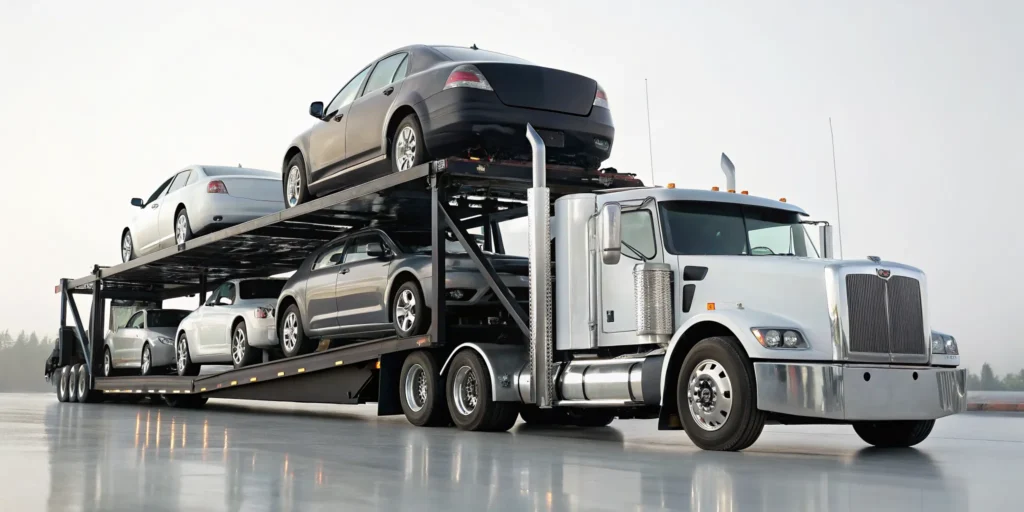
Open transport is the standard in the car shipping industry and by far the most popular choice. With this method, your vehicle is loaded onto a carrier that’s open to the elements, similar to the trucks you see delivering new cars to dealerships. Because these carriers can hold more vehicles at once, it’s the most economical method for shipping a car across the country. While your car is exposed to weather and road conditions, it’s a very safe and reliable option that millions of people use every year. For most standard cars, trucks, and SUVs, open transport provides the best balance of affordability and security.
Enclosed Transport
If you’re shipping a classic, luxury, or high-value vehicle, enclosed transport offers an extra layer of protection. Your car is shipped inside a covered trailer, shielding it completely from weather, dirt, and road debris. This peace of mind comes at a higher price, as enclosed carriers can’t carry as many vehicles, which increases the cost per car. This option is the go-to for owners who want to ensure their special vehicle arrives in pristine condition. Think of it as first-class travel for your car, providing maximum security from start to finish.
Train Shipping
Shipping your car by train is another option, particularly for cross-country moves. It can sometimes be a more budget-friendly and fuel-efficient choice compared to truck transport over very long distances. This method involves your car being loaded into a specialized rail car for its journey. However, train transport often has less flexibility with scheduling and locations. You’ll typically need to drop off and pick up your vehicle at specific rail terminals, which might not be as convenient as the door-to-door service offered by truck carriers. It’s a solid option for long distances if the logistics work for you.
How Much Does Cross-Country Car Shipping Cost?
Figuring out the budget for your move is a huge piece of the puzzle, and the cost of shipping your car is a major part of that. While there’s no single price tag for vehicle transport, the final cost comes down to a few key factors. The total price is a combination of the distance your car needs to travel, the time of year you ship it, and the type of transport you choose. Understanding how these elements work together will help you get a clear and accurate estimate for your specific needs. Below, we’ll break down the main components that influence your quote, so you can plan your budget with confidence and know exactly what to expect.
How Distance Affects Your Price
It makes sense that the farther your car needs to go, the higher the total cost will be. A carrier has to account for fuel, tolls, and the driver’s time on the road, all of which increase with mileage. For a mid-range trip of about 1,000 to 1,500 miles, you can generally expect the price to be between $700 and $1,200. For a true cross-country haul covering 1,500 to 2,500 miles, that range typically shifts to between $1,000 and $1,800. These figures give you a solid baseline for what to expect when you start looking for vehicle shipping quotes.
Understanding the Cost Per Mile
Here’s something that might seem a bit backward at first: while the total cost goes up with distance, the price you pay per mile actually goes down. Why? Because the fixed costs of loading and unloading your vehicle are spread out over a longer journey. Shorter trips under 100 miles can cost around $2.75 per mile, since the carrier has to cover their base expenses in a short distance. However, for long-distance journeys over 2,000 miles, the average cost can drop to as low as $0.58 per mile. This pricing structure makes long-haul shipping much more efficient and affordable on a per-mile basis.
How Seasons Impact Shipping Costs
Timing is everything, especially when it comes to shipping your car. Prices tend to rise during the summer months and around major holidays when demand is at its peak. This is also true during the fall and spring, when “snowbirds” are moving their cars to and from warmer climates. If you have some flexibility in your schedule, you can often find better rates. The best time to ship a car is typically in the late winter and early spring when demand is lower. Booking during this off-season can lead to significant savings. To see how the time of year affects your specific route, it’s always a good idea to get a personalized quote.
What Factors Influence Car Shipping Prices?
When you get a car shipping quote, you might wonder how the price is calculated. It’s not a flat rate because several key details affect the final cost. Think of it like booking a flight; the price can change based on when you go, how much you pack, and where you’re headed. Understanding these factors will help you see what’s behind your quote and find opportunities to save. From the type of car you drive to the time of year you ship, each element plays a role in determining your total transport cost.
Your Vehicle’s Size and Weight
One of the biggest factors in your shipping price is the size and weight of your vehicle. A standard sedan will cost less to ship than a large SUV or a heavy-duty truck. This is because larger vehicles take up more space on the carrier, meaning fewer cars can be transported on a single trip. Heavier vehicles also increase the truck’s fuel consumption. When requesting a quote, be sure to provide the exact make and model of your car. This ensures you get an accurate price and helps the transport company plan its shipping services effectively. Any modifications, like oversized tires or a lift kit, can also impact the price, so be sure to mention those upfront.
Pickup and Delivery Locations
Where your car is picked up and delivered significantly influences the cost. Shipping a car between major cities along popular interstate routes is generally more affordable. Carriers frequently travel these paths, making it easier to fill their trucks and keep costs down. On the other hand, if your pickup or delivery location is in a rural or remote area, the price will likely be higher. The driver may need to travel far off the main highway, which adds time, mileage, and fuel costs to the journey. If you live in a less accessible area, consider asking if meeting the driver in a nearby major city could lower your rate.
The Time of Year and Current Demand
Car shipping is a seasonal business, and prices fluctuate with demand. The summer months are typically the busiest and most expensive time to ship a vehicle, as many people relocate for new jobs or school. Holidays are also peak periods. Conversely, you might find lower prices during the off-season in the late fall and winter (excluding the holiday rush). Another major event is the annual “snowbird” migration, when retirees move their cars to warmer states for the winter and back north for the summer. If your schedule is flexible, booking your shipment during a slower period can lead to significant savings.
Fuel Prices and Market Conditions
Like many industries, vehicle transport is affected by economic factors outside of anyone’s control. Fuel is one of the largest expenses for a carrier, so when gas prices rise, shipping costs often follow. This is sometimes reflected in a fuel surcharge, which can change from week to week. Broader market conditions, such as the number of drivers available versus the number of cars that need shipping, also play a part. During periods of high demand, carrier spots are more competitive, which can drive up prices. A reliable shipping company will be transparent about these variables when you request a quote and explain how they affect your final cost.
How to Compare Car Shipping Quotes
Get Detailed, Binding Quotes
An initial quote is often just an estimate. To understand the real cost, you need a detailed, binding quote that locks in your price. Be cautious of quotes that seem too good to be true; they often are. The best way to get an accurate price is to get a car shipping quote directly from the transport company. A trustworthy provider will give you an itemized breakdown of all costs, including fuel surcharges and insurance, so you know exactly what you’re paying for. This transparency is a key sign of a reputable shipper.
Look Out for Hidden Fees
Hidden fees can quickly turn a cheap quote into an expensive one. Some companies might add extra charges for fuel, insurance, or a vague “service fee” that wasn’t mentioned upfront. A trustworthy company will be transparent about its pricing. Before you commit, ask directly if the quote is all-inclusive. It’s also smart to read the contract carefully and question any line items you don’t understand. While many companies have online calculators, you should always confirm the final price in writing to avoid last-minute additions to your bill.
Confirm Your Insurance Coverage
While shipping your car is very safe, you want to know you’re protected. Every legitimate auto transport carrier is required to have insurance. Before you book, ask for proof of their coverage and understand what it includes. Does it cover damage from loading and unloading? Is there a deductible? Booking with a licensed and insured carrier is the best way to protect your vehicle. Your personal car insurance policy typically doesn’t cover commercial transport, so the carrier’s policy is your primary protection. This simple check provides essential peace of mind.
Check Company Reviews and Licensing
A company’s reputation tells you a lot about the service you can expect. Spend some time reading recent customer reviews on independent sites like Google or the Better Business Bureau. You should also verify the company’s credentials. Legitimate carriers have a Motor Carrier (MC) number and a U.S. Department of Transportation (DOT) number, which you can look up online. Planning ahead and choosing a well-vetted company will always lead to a better experience and help you avoid partnering with an unreliable or unlicensed operator.
How to Save Money on Car Shipping
Shipping your car doesn’t have to break the bank. With a little planning and flexibility, you can find a great price without sacrificing reliable service. The key is understanding what drives costs and where you have room to make choices that favor your budget. From the type of transport you select to the time of year you book, several factors are within your control. Let’s walk through some of the most effective strategies for cutting down your vehicle shipping expenses. These simple, actionable steps can help you secure a high-quality service that fits your financial needs, ensuring your car arrives safely at its destination.
Choose Open Over Enclosed Transport
If you’re looking for the most budget-friendly option, open transport is the way to go. This is the standard method in the auto shipping industry and is significantly less expensive than enclosed transport. On an open carrier, your vehicle is transported on a trailer that is exposed to the elements, just as it would be if you were driving it yourself. It’s a perfectly safe and reliable choice for most cars, trucks, and SUVs. Companies use this method to move millions of vehicles every year. By choosing one of the available transport services like open transport, you can get the same dependable shipping for a much lower price, making it the most popular choice for cross-country moves.
Use Terminal-to-Terminal Shipping
Another great way to reduce costs is by opting for terminal-to-terminal shipping. Instead of having a driver pick up your car from your home and deliver it to your new front door, you drop the vehicle off at a designated regional terminal. Once it arrives at the destination city, you pick it up from another terminal. This method saves the carrier significant time and fuel by consolidating multiple vehicles in one convenient location. While it requires a bit more effort on your part, the savings can be substantial. If you live near a major metro area and don’t mind the extra drive, terminal-to-terminal service is an excellent way to trim your final bill.
Be Flexible with Your Dates
Having a flexible timeline can make a big difference in your shipping quote. If you can provide a wider window for your pickup and delivery dates, carriers have an easier time fitting your vehicle into their existing routes. This operational efficiency often translates directly into savings for you. Last-minute or date-specific requests can be more expensive because they require special arrangements. By giving your shipping company a window of several days or even a week, you open yourself up to more competitive pricing. A little wiggle room in your schedule is one of the easiest ways to find a better deal without changing anything else about your shipment.
Ship During the Off-Season
Just like with travel, the auto transport industry has peak and off-peak seasons. Summer is typically the busiest and most expensive time to ship a car, as more people are moving. Major holidays can also drive up demand and prices. If your move isn’t urgent, consider scheduling your shipment during the off-season. Demand tends to be lower in the late fall and winter months, particularly in January and February. With fewer cars to transport, carriers are often more competitive with their pricing. Planning your shipment for a slower time of year is a smart move that can lead to significant savings.
Book Your Shipment in Advance
Procrastination can be costly when it comes to car shipping. Booking your transport well in advance is a simple yet effective way to secure a better rate. Aim to schedule your shipment at least a few weeks, or even a month or two, ahead of time. This gives the transport company ample time to plan their logistics and find the most efficient route for your vehicle. Last-minute bookings often come with premium charges because they disrupt schedules and require expedited arrangements. By following a clear booking process early on, you not only get a better price but also enjoy the peace of mind that comes with having everything sorted.
Find Discounts to Lower Your Costs
Military and Student Discounts
Many auto transport companies offer special savings for military members and students. If you fit into one of these groups, always ask about potential discounts when you request your quote. It’s a simple step that could take a nice percentage off your final bill. You will likely need a valid ID to verify your status, but the process is usually quick. Don’t assume the discount will be applied automatically, as you often have to inquire directly. When you contact a shipper, make it one of the first questions you ask.
Cash Payment Options
Here’s a tip that can pay off: ask about paying in cash. Businesses pay processing fees for credit card transactions, and some carriers will offer you a small discount to avoid that cost. This option isn’t always advertised, so you’ll probably need to bring it up yourself when finalizing the details. When you get your quote, simply ask if there’s a discount for cash payments. It’s a straightforward question that creates a win-win situation and could easily lower your overall shipping cost.
Multi-Vehicle Shipping Deals
If you need to transport several cars at once, you’re in a great position to save money. Shipping multiple vehicles is more efficient for the carrier, saving them time and fuel, and companies often pass these savings on to you. This is perfect for families moving with two cars or for businesses relocating a small fleet. Because the driver can pick up and drop off multiple vehicles at the same locations, it streamlines their route. This is one of the most common vehicle shipping deals available, so be sure to mention you have more than one car from the start.
Early Booking and Repeat Customer Offers
Planning ahead is one of the best ways to get a better price. Booking your transport well in advance, ideally a few months out, gives the shipping company time to plan their route efficiently. This logistical advantage often translates into lower prices for you. On top of that, loyalty can pay off. If you’ve shipped a car with a company before, let them know when you call for a new quote. Many carriers offer repeat customer discounts as a thank you for your business. It shows they value their clients, which is always a good sign.
How to Find a High-Value Shipping Company
Finding the cheapest price is tempting, but when it comes to shipping your car, value is what truly matters. The lowest quote doesn’t always equal the best deal, especially if it comes with poor service, unexpected delays, or hidden fees. A high-value shipping company offers a sweet spot: competitive pricing combined with reliability, great communication, and peace of mind. It’s about getting your car to its destination safely and on time without breaking the bank or adding unnecessary stress to your move. Let’s look at what makes a carrier a great value and what you should look for in your search.
Why Roadrunner Offers Great Value
Shipping your car across the country is a big deal, and the cost can range from $500 to over $1,200 depending on the distance and your vehicle. While it’s smart to be budget-conscious, you also want a company you can trust. This is where finding real value comes in. At Roadrunner, we focus on providing competitive pricing without ever cutting corners on service. Our commitment to customer satisfaction means you get transparent communication, dependable timelines, and the assurance that your car is in good hands. We believe great value is about delivering a smooth, stress-free experience from start to finish, not just offering the lowest number on a quote.
What to Look for in an Affordable Carrier
As you compare different companies, be cautious of any quote that seems drastically lower than the rest. A price that looks too good to be true often is, and it can be a red flag for hidden fees or subpar service down the line. The best way to get a clear picture of your costs is to get a detailed car shipping quote directly from the transport company. Reputable carriers make this process easy. Beyond the price, always take a moment to check recent customer reviews and ratings. Finally, confirm that the company has proper insurance coverage to protect your vehicle during its journey. These simple steps will help you find a carrier that is both affordable and reliable.
Red Flags to Avoid with Cheap Car Shipping
Finding an affordable car shipping service is a great feeling, but a price that seems too good to be true often is. While you want to save money, the absolute lowest quote isn’t always the best deal. Some companies offer rock-bottom prices by cutting corners on service, insurance, or reliability, which can cost you more in the long run. A trustworthy carrier will provide a fair price that reflects the quality and security of their service. The key is to find a company that offers excellent value, combining competitive pricing with a proven track record of customer satisfaction. Before you commit, it’s smart to understand the warning signs of a potentially bad deal. Knowing what to look for will help you choose a dependable transport service and avoid headaches down the road.
Unusually Low Quotes and Bait-and-Switch Tactics
If you receive a quote that is hundreds of dollars cheaper than every other offer, it’s a major red flag. This is a classic setup for a “bait-and-switch” scheme. A company will lure you in with an unbelievably low price, and once you’ve committed, they’ll inflate the final bill with unexpected fees and surcharges. They might claim the initial quote was just an estimate or that market conditions changed. To avoid this, get several quotes from different companies to establish a realistic price range for your shipment. A legitimate quote from a company like Roadrunner will be comprehensive and transparent from the start, with no pressure to book immediately.
Unlicensed Companies or Poor Reviews
A surprisingly cheap rate can sometimes mean the company is operating without the proper credentials. Every legitimate auto transport carrier must be registered with the U.S. Department of Transportation and have a Motor Carrier (MC) number. You should always verify a company’s operating authority before signing a contract. Unlicensed movers may not have adequate insurance, leaving your vehicle unprotected in case of damage. Also, take a few minutes to read recent customer reviews on independent platforms. A pattern of negative feedback about poor communication, delays, or surprise charges is a clear sign to look elsewhere for your shipping needs.
Hidden Fees and Last-Minute Charges
One of the most common ways cheap shippers pad their profits is by adding hidden fees to the final invoice. These can include fuel surcharges, extra insurance costs, or service fees that were never mentioned upfront. Some may even charge more for door-to-door service, even though it’s standard for most carriers. To protect yourself, always ask for a binding quote that lists all potential charges in writing. Read your contract carefully and ask questions about anything you don’t understand before you sign. A reputable company will be happy to explain its pricing and provide an all-inclusive rate, ensuring there are no surprises on delivery day.
How to Prepare Your Car for Shipping
Getting your car ready for its big trip is a straightforward process that makes a huge difference. A little prep work ensures everything goes smoothly from pickup to delivery and protects your vehicle along the way. Following these simple steps helps our drivers do their job safely and gives you peace of mind. It’s all part of our commitment to providing exceptional customer care from start to finish. Taking these measures helps streamline the entire process, making your shipping experience as seamless as possible.
Document Your Vehicle’s Condition
Before the carrier arrives, give your car a good wash. It’s important to “clean your car well so any existing damage can be easily seen and noted.” This isn’t just about making it look nice; it helps you spot any existing dings, scratches, or dents. Once it’s clean, walk around your vehicle and “take detailed photos of your car from all sides, inside and out, to record its condition before shipping.” This creates a personal record that complements the official inspection report the driver completes at pickup. You’ll both sign off on this report, creating a clear and agreed-upon baseline for your vehicle’s condition before it begins its journey.
Remove All Personal Items
Now is the perfect time to declutter your car. To ensure a smooth process, you’ll need to “remove all personal items and valuables, especially electronics that aren’t permanently attached.” Carrier insurance doesn’t cover personal belongings left inside the vehicle, so clearing them out is the best way to prevent loss or damage. This includes things like portable GPS devices, phone chargers, and even air fresheners. Plus, extra items add weight, which can sometimes affect your shipping quote. Keeping the car empty ensures a secure and hassle-free transport process for everyone involved.
Get Ready for Pickup Day
A few simple mechanical checks will ensure your car is ready for loading. “Make sure your car is in good working order, with no leaks and a fully charged battery. Check that your tires are properly inflated.” You should also leave about a quarter tank of gas in the car. This is enough for the driver to load and unload it from the truck but keeps the overall weight down for transport. Finally, don’t forget to deactivate any alarms and provide the driver with a full set of keys. These small steps help prevent delays and ensure a smooth handoff. Our FAQ’S page has more tips if you have specific questions.
How to Book Your Affordable Car Shipment
Once you’ve done your research and have a shortlist of potential carriers, it’s time to lock in your shipment. Booking your vehicle transport doesn’t have to be complicated. By following a few straightforward steps, you can ensure you get a great price from a company you trust. It’s all about being thorough and knowing what to ask. Let’s walk through the process of getting from a quote to a confirmed booking.
Compare Multiple Quotes
The first step to finding an affordable price is to shop around. Make it a goal to get quotes from at least three different shipping companies. This gives you a clear picture of the current market rates for your specific route and vehicle. When you request a quote, you can see how different carriers stack up. Don’t just look at the final price; pay attention to what’s included in the service. Some companies might even be willing to match a competitor’s price if you present them with a lower written offer, so having those extra quotes on hand can give you some negotiating power.
Ask About Better Rates
After you have a few quotes, don’t be shy about asking for a better deal. A simple question like, “Is this the best price you can offer?” can sometimes lead to savings. Many transport companies have discounts available that you might not know about unless you ask. Inquire about special rates for military members, students, or even for paying in cash. While you should be cautious of any quote that seems drastically lower than all the others, it’s smart to explore all your options for a discount. You can often find information about available savings on a company’s FAQ page or by speaking directly with a representative.
Finalize Your Booking
When you’re ready to book, you’ll need to provide some key details to get an accurate and final price. Be prepared to share your vehicle’s year, make, and model, along with your preferred shipping dates and the exact pickup and delivery locations. Before you make any payment, get the final price and all associated fees in writing. This is also the time to do one last check on the company. Confirm their licensing and insurance, and take a final look at recent customer reviews. Choosing a reputable carrier ensures that there are no surprise charges and that your car is in good hands from start to finish.
Related Articles
- Enclosed Carrier Car Shipping: The Ultimate Guide
- The Cheapest Way to Ship a Car: A Complete Guide
- Open Transport Car Shipping: A Complete Guide
- How Much Does It Cost to Ship a Car? (Price Guide)
- How Do You Ship a Car? A Step-by-Step Guide – Road Runner Vehicle Transports
Frequently Asked Questions
What’s the real difference between open and enclosed shipping? Think of open transport as the standard, most affordable way to ship your car. It’s the method used for millions of vehicles every year and is very safe, though your car will be exposed to weather just like it would be on a normal drive. Enclosed transport is a premium service where your car travels inside a covered trailer, completely shielded from road debris and the elements. This option is ideal for classic, luxury, or high-value vehicles and comes at a higher price.
Can I pack personal items in my car for the trip? It’s best to ship your car completely empty. Carrier insurance policies do not cover personal belongings left inside the vehicle, so if anything were to get lost or damaged, it would not be protected. Removing your items also keeps the vehicle’s weight down, which helps ensure an accurate shipping quote and a smooth, secure transport process for the driver.
How far in advance should I book my car shipment? For the best rates and scheduling options, I recommend booking your shipment at least two to four weeks in advance. This gives the transport company enough time to plan the most efficient route, which often translates into savings for you. While last-minute shipping is sometimes possible, it typically costs more and offers less flexibility with pickup and delivery dates.
Is my car insured while it’s being shipped? Yes, every legitimate auto transport carrier is required by law to have insurance that covers your vehicle during transit. Before you finalize your booking, you should always ask for proof of the company’s insurance coverage. This policy is your primary protection while your car is on the road, so confirming it upfront provides essential peace of mind.
Why did I get a quote that was way cheaper than all the others? A quote that is significantly lower than all the others should be viewed with caution. It is often a red flag for a “bait-and-switch” tactic, where a company lures you in with a low price only to add hidden fees later. It can also indicate that the company is unlicensed or lacks proper insurance. A fair price from a reputable company reflects the cost of providing safe, reliable, and fully insured service.