
Let’s be direct: covered car transport costs more than standard open shipping. Seeing that higher price tag can make you wonder if it’s truly necessary. The answer depends entirely on your vehicle and your priorities. For a daily driver, it might be overkill. But for a classic, luxury, or newly purchased car, that extra cost buys invaluable protection and security. This guide will help you understand the value behind the price. We’ll explore the specific benefits, break down the cost factors, and give you the information you need to decide if this premium service is a worthwhile investment for you.
Key Takeaways
- Choose Enclosed Shipping for Maximum Protection: Covered transport uses a fully enclosed trailer to shield your vehicle from weather, road debris, and potential theft, making it the best choice for luxury, classic, or high-value cars.
- Do Your Homework Before Booking: A trustworthy company will readily provide proof of insurance and their federal operating credentials. Always check recent customer reviews on independent sites to get an honest look at their reliability and service.
- Understand the Key Details: Your final cost and delivery timeline are based on factors like distance, vehicle size, and the time of year. Preparing your car by documenting its condition and removing personal items ensures a seamless pickup and delivery.
What is Covered Car Transport?
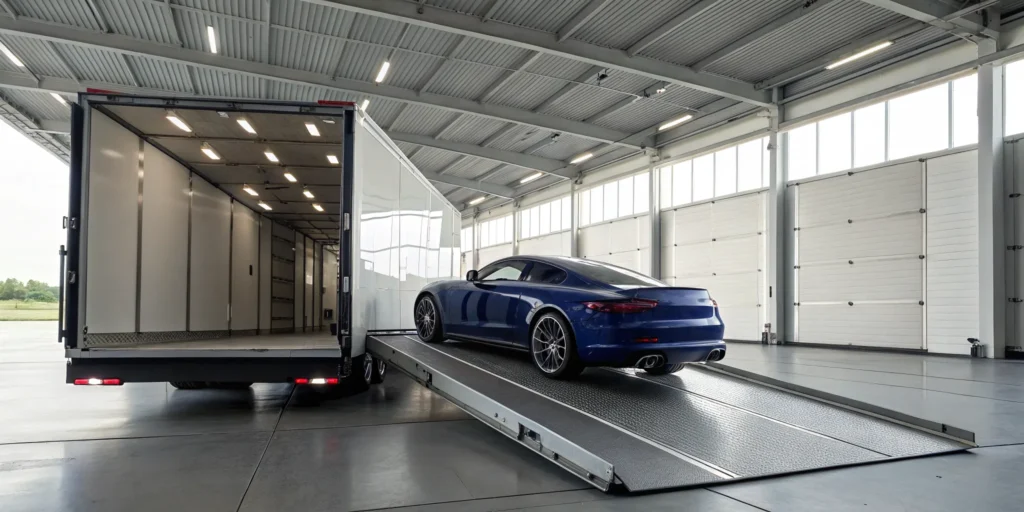
Think of covered car transport, also known as enclosed shipping, as a first-class ticket for your vehicle. Instead of being loaded onto an open carrier exposed to the elements, your car travels inside a fully covered trailer. This method provides maximum protection from things like rain, snow, wind, dust, and road debris. It’s the preferred choice for anyone shipping a vehicle that needs extra care and attention.
If you own a luxury, exotic, or classic car, covered transport is often the best way to ensure it arrives in the exact condition it left. The enclosed space acts as a shield, safeguarding your vehicle’s paint and finish throughout its journey. While it comes at a higher price point than open transport, the peace of mind it offers is invaluable. Our transport services are designed to give your car the protection it deserves, delivering security and confidence from pickup to drop-off.
How Enclosed Shipping Works
The process of enclosed shipping is straightforward and designed for security. Your vehicle is carefully loaded into a trailer that has solid walls and a roof, completely sealing it off from the outside world. This creates a protective bubble around your car, significantly reducing the risk of damage during transit. It’s the ultimate defense against unpredictable weather and potential hazards on the road.
This method offers the highest level of security available in vehicle transport. Once your car is inside and secured, it’s protected from prying eyes, which helps deter theft. The entire shipping process is handled by professionals who specialize in managing high-value vehicles, ensuring your car gets the VIP treatment from start to finish.
Common Types of Enclosed Trailers
Enclosed trailers come in a few different configurations, each designed to meet specific needs. The most common are multi-car enclosed trailers, which can carry several vehicles at once and offer a cost-effective way to get full protection. For extremely rare or valuable cars, single-car enclosed trailers offer exclusive, dedicated space.
These trailers are often built with specialized equipment like hydraulic lift gates to safely load vehicles with low ground clearance, preventing any damage to the undercarriage. While enclosed trailers are bulkier and may have trouble with very tight residential streets, our team works with you to find a safe and accessible location for pickup and delivery. Choosing a company with the right equipment is key to a successful covered transport experience.
Why Choose Covered Over Open Car Transport?
Deciding between open and covered car transport can feel like a big choice, but it really comes down to what your vehicle needs. While open transport is a common and effective option, enclosed shipping offers a premium level of protection that’s essential for certain cars. Think of it as the difference between parking your car in a driveway versus a locked garage. Both work, but one provides a completely controlled environment. If you’re looking for maximum security and protection from the elements, choosing a covered carrier is the way to go. It gives you complete peace of mind, knowing your vehicle is shielded from every potential hazard on the road.
Protect Your Car from Weather and Debris
One of the biggest advantages of enclosed transport is the complete protection it offers from weather and road debris. When your car is inside a covered trailer, it’s shielded from rain, snow, wind, and harsh sun that can damage the paint and finish. It’s also safe from rocks, dust, and other debris that can get kicked up on the highway. This means your car will arrive in the exact same condition it was in when it was picked up. Our enclosed transport services are designed to provide a secure bubble for your vehicle, ensuring it stays clean and damage-free throughout its journey.
Secure Your Vehicle from Theft
Beyond protection from the elements, covered car transport provides a much higher level of security. An enclosed trailer keeps your vehicle out of sight, which significantly deters potential theft or vandalism. Open carriers leave vehicles exposed, but a locked, hard-sided trailer ensures your car is completely concealed and secure. This added security is especially important when shipping a vehicle over long distances or through various states. When you choose Roadrunner, you’re opting for a service that prioritizes the safety and security of your vehicle from pickup to delivery, giving you one less thing to worry about.
Ship High-Value Cars with Confidence
If you own a luxury, exotic, classic, or newly purchased vehicle, enclosed shipping is the best way to protect your investment. These cars often have unique features and delicate finishes that require special care. Enclosed transport is the industry standard for high-value vehicles because it provides the superior protection and security they demand. The controlled environment inside the trailer prevents any unexpected damage, ensuring your prized possession arrives flawlessly. Understanding how our process works can help you feel confident that your valuable car is in the best possible hands from start to finish.
How Much Does Covered Car Transport Cost?
Let’s talk about one of the biggest questions on your mind: what’s the price tag for covered car transport? Since it’s a premium service designed to give your vehicle maximum protection, it naturally costs more than standard open transport. But the exact amount isn’t a one-size-fits-all number; it can vary quite a bit. Think of it less like a fixed price and more like a custom quote tailored to your specific needs and your vehicle.
The final cost depends on a handful of key details, from how far your car is traveling to its size and even the time of year. Understanding these factors will help you see exactly what goes into your quote and why it’s a worthwhile investment for protecting a valuable car. When you choose a covered transport service, you’re paying for peace of mind, knowing your vehicle is shielded from road debris, harsh weather, and potential theft. This added security is what sets it apart. In the next sections, we’ll walk through the average price range and then get into the specifics that can shift the numbers up or down. This way, you can feel confident about your shipping choice and know exactly what to expect when you get your quote.
Breaking Down the Average Price
So, what can you generally expect to pay? For covered car transport, the cost typically falls between $1 and $2.50 per mile. This means a cross-country trip will naturally cost more than a shorter, regional move. On average, most enclosed shipping jobs land somewhere between $1,000 and $3,000. Remember, this is a premium service, usually about 30% to 50% more than open transport, because it offers a fully enclosed space for your vehicle. You’re investing in a higher level of security and protection, which is reflected in the price. This range gives you a solid starting point, but your final quote will be fine-tuned based on your specific shipment details.
Key Factors That Influence Your Quote
Your final price isn’t pulled out of thin air. Several key factors come together to create your unique quote. The most obvious one is distance; the farther your car needs to go, the higher the cost. Your vehicle’s size and weight also play a big role, as larger cars take up more space. The route itself matters, too. Popular, high-traffic routes are often more affordable than remote, less-traveled ones. Don’t forget about timing. Shipping during peak seasons, like summer, can be pricier than in the off-season. Finally, any extra services you request, like expedited shipping for a faster delivery, will also adjust the total cost.
How to Choose a Covered Transport Company
Selecting the right company to ship your vehicle is a big decision. After all, you’re trusting them with a valuable asset. The good news is that a little homework can go a long way in ensuring your car arrives safely and your experience is stress-free. When you’re comparing options, it’s helpful to look beyond the price tag and consider a few key factors that signal a trustworthy and professional service. A great company will make you feel comfortable from the very first call, providing clear answers and a detailed plan for your vehicle’s journey.
Think of it like hiring any other professional. You want someone with a proven track record, the right credentials, and a commitment to protecting your property. By focusing on insurance, licensing, and real customer feedback, you can confidently pick a partner for the job. Taking these steps will help you find a company that not only meets your needs but also gives you peace of mind from pickup to delivery. At Roadrunner, we believe in transparency and are happy to provide all the information you need to feel secure in your choice. Our customer care team is always available to answer your questions and explain our process.
Verify Insurance and Liability Coverage
This is a non-negotiable. Any reputable enclosed transport company will provide full insurance coverage for your vehicle while it’s in their care. Before you sign anything, ask for proof of insurance and take a moment to understand what the policy covers. A quality provider will have a clear process that includes vehicle inspections before and after transport. This documentation is crucial because it protects both you and the carrier in the unlikely event of a claim. Don’t hesitate to ask about the claims process, so you know exactly what to expect. A company that is confident in its service will have no problem walking you through its protection policies.
Confirm Carrier Credentials
You wouldn’t hire an unlicensed contractor, and the same logic applies here. A reliable car shipping company works with licensed and insured carriers. Look for a provider registered with the U.S. Department of Transportation (DOT) and the Federal Motor Carrier Safety Administration (FMCSA). These credentials show that the company meets federal safety standards. Beyond licensing, pay attention to the contract terms. They should be clear and straightforward, with no hidden fees. Responsive customer support is another great indicator of a professional operation. A company that’s easy to reach and ready to answer your questions is one you can trust.
Read Customer Reviews
Customer reviews are your window into a company’s real-world performance. While a company’s website will highlight its strengths, reviews from past clients give you the full picture. Check independent sites like the Better Business Bureau and Google to see what people are saying. Look for patterns in the feedback. Are customers consistently praising the company’s communication and professionalism? How does the company respond to issues when they arise? Reading a mix of reviews can help you spot potential red flags and identify companies that consistently deliver on their promises, helping you avoid unexpected issues with service or costs.
Is Covered Transport Right for Your Vehicle?
Deciding between open and covered transport often comes down to your specific vehicle and your peace of mind. While open transport is a great, cost-effective option for most cars, certain vehicles benefit from the extra security and protection of an enclosed trailer. If you own a car that is particularly valuable, rare, or sentimental, covered shipping is an investment in its safety. Let’s look at the types of vehicles that are a perfect match for this premium service.
Luxury and Exotic Cars
If you own a luxury or exotic car, you understand it’s more than just a vehicle; it’s a significant investment. Using enclosed transport is the best way to protect that investment during a move. This service shields your car from road debris, dirt, and harsh weather that could damage its pristine finish. Professional enclosed carriers also provide comprehensive insurance coverage and detailed inspection reports before and after shipping. This ensures your high-end vehicle arrives in the exact same condition it left, giving you total confidence from pickup to delivery.
Classic and Vintage Vehicles
Classic and vintage cars are often irreplaceable, holding both monetary and sentimental value. Exposing an antique finish or a custom restoration to the elements is a risk most owners aren’t willing to take. Enclosed transport offers the highest level of protection and security for these automotive treasures. It’s the ideal solution for cars that need extra care, including those with low ground clearance that could be damaged on an open carrier. By choosing a covered trailer, you ensure your classic car is shielded from potential hazards, preserving its condition and legacy for years to come.
Motorcycles and Specialty Vehicles
Motorcycles, by their nature, are more exposed than cars, making them prime candidates for enclosed shipping. A covered trailer protects them from wind, rain, and road debris that could cause damage during transit. The same goes for other specialty vehicles, like custom builds or race cars. It’s also important to know that non-running cars can be shipped this way, but you must inform your transport company ahead of time so they can bring the right equipment. Clear communication with your shipping coordinator ensures they can accommodate any unique needs your vehicle may have.
How to Prepare Your Car for Covered Transport
Getting your car ready for its journey is a straightforward but important step. A little preparation on your end helps ensure the entire shipping process goes off without a hitch. By taking a few simple actions before the carrier arrives, you can protect your vehicle, streamline the pickup, and give yourself peace of mind. Think of it as getting your car packed and ready for a safe, secure trip. Following these guidelines will help you and the transport company stay on the same page from start to finish.
Complete a Pre-Shipment Inspection
Before your car is loaded, take a moment to walk around it and document its current condition. Wash your car so any existing scratches, dings, or dents are clearly visible. Take detailed, well-lit photos and videos from every angle. This creates a clear record of your vehicle’s state before it begins its journey. You should also remove any personal valuables and disable the alarm system to prevent it from going off in transit. Clear communication is key, so be sure to give the driver a heads-up about any quirks your car might have, like a tricky door lock or a specific starting procedure.
Gather Your Documents and Photos
When the driver arrives, they will conduct an inspection with you and note your car’s condition on a document called the Bill of Lading (BOL). This report is crucial, as it serves as the official record before and after transport. While our team is thorough, having your own set of photos is always a smart backup. Before you sign the BOL at pickup, review it carefully to make sure it accurately reflects your car’s condition. Understanding our simple process ahead of time will help you know exactly what to expect when the driver arrives.
Manage Personal Items and Fuel Levels
It’s best to remove all personal belongings from your car before shipping. While some carriers may allow a small number of items in the trunk, these are not covered by insurance, so it’s safer to ship them separately. For the vehicle itself, make sure the gas tank is about a quarter full. This is enough fuel for the driver to load and unload the car but keeps the overall weight down. Finally, ensure your car’s battery is fully charged and secure so the vehicle can be easily moved during transport.
What to Expect During the Shipping Process
Once you’ve booked your transport, you might wonder what comes next. Knowing the step-by-step process can make the entire experience feel straightforward and stress-free. From the moment the carrier arrives to the final handshake at delivery, a professional shipping service is designed to be transparent and secure. The journey is broken down into three main stages: pickup, transit, and delivery. Each phase has a few simple things you can do to ensure everything goes smoothly.
At Roadrunner Vehicle Transports, we believe in keeping you informed every step of the way. Our entire process is built around clear communication and careful handling, so you can feel confident that your vehicle is in great hands from start to finish. Let’s walk through what you can expect when your car is on the move.
The Pickup and Loading Process
On pickup day, the carrier will arrive at the agreed-upon location. Before they load your vehicle, it’s a good idea to have your own records ready. Take detailed, time-stamped photos of your car’s condition from every angle. Be sure to remove any personal or valuable items from the interior and disable the alarm system to prevent any issues during transit.
The driver will conduct a thorough inspection of your vehicle and note its current condition on a document called the Bill of Lading (BOL). You’ll both sign this report before the car is carefully loaded into the enclosed trailer. This document is your proof of the car’s pre-shipping condition, so review it carefully before signing.
Tracking Your Vehicle in Transit
You won’t be left guessing where your car is once it’s on the road. Reputable transport companies provide tracking services that allow you to monitor your vehicle’s journey in real time. Typically, you’ll receive a booking or reference number that you can use to get updates online or by phone. This feature gives you peace of mind, knowing exactly where your car is and when it’s expected to arrive.
This transparency is a key part of our commitment to exceptional customer care. We want you to feel connected and confident throughout the shipping process, so you can plan for your vehicle’s arrival without any uncertainty.
Delivery and Final Inspection
When your vehicle arrives at its destination, the driver will carefully unload it for you. Before you sign any final paperwork, it’s time for one last check. Using your own photos and the original Bill of Lading, conduct a detailed inspection of your car. Carefully check for any new scratches, dings, or other damage that wasn’t noted on the initial report.
If you spot anything, make sure to note it on the Bill of Lading before signing it. This final inspection is your opportunity to confirm your car arrived in the same condition it left in. Once you’re satisfied, you’ll sign the paperwork, receive your keys, and your delivery is complete.
Common Myths About Covered Transport
When you’re looking into shipping a vehicle, especially a valuable one, you’ll likely come across a lot of information, and not all of it is accurate. Covered car transport, in particular, is surrounded by a few common misconceptions that can make the decision-making process confusing. Let’s clear the air and separate the myths from the facts so you can make a choice you feel great about.
The Truth About Cost and Service
One of the biggest myths is that enclosed transport is always prohibitively expensive. While it’s true that covered shipping has a higher price tag than open transport, the idea that it’s unaffordable is simply not the case. Think of it as an investment in premium protection. For luxury, classic, or exotic cars, the extra cost is a small price to pay for the peace of mind that comes with knowing your vehicle is shielded from road debris, bad weather, and other potential hazards. The costs associated with enclosed transport are often quite reasonable when you consider the value of the car you’re protecting.
How Insurance Really Works
Another common worry is that your vehicle won’t be insured if something happens on the road. This is a major misconception. Reputable and professional enclosed car shipping companies always provide full insurance coverage for every vehicle they transport. Before your car is even loaded, a thorough inspection is documented. This process is repeated upon delivery to ensure your car arrives in the exact same condition. At Roadrunner, we make sure our insurance and liability coverage is comprehensive, giving you a safety net from pickup to drop-off. Your personal car insurance policy likely doesn’t cover commercial transport, which is why carrier insurance is so critical.
Separating Fact from Fiction
Some people believe that shipping a car is inherently unsafe or that open carriers offer the same level of protection as enclosed ones. Both of these ideas are myths. Professional car shipping is one of the most secure ways to move a vehicle over a long distance. It’s far safer than driving it yourself, saving you from adding miles and risking accidents. Furthermore, while open transport is a great option for many vehicles, it does not provide the same security as an enclosed trailer. Covered transport offers a complete, four-walled, roofed shield, which is a level of protection that open carriers simply can’t match.
How Long Does Covered Car Transport Take?
One of the first questions on everyone’s mind is, “When will my car get there?” It’s completely understandable. You’re planning your schedule around its arrival, and you want a clear timeline. While we’d love to give you a single, exact date, car transport works within a delivery window. Think of it less like a package with a guaranteed next-day arrival and more like coordinating a cross-country road trip for multiple people at once. Your vehicle is sharing the ride with several others, and the driver creates a master plan to pick up and drop off each car as efficiently as possible.
The total time from when you book to when you receive your car has two main parts: dispatch and transit. First, we find the perfect, fully-vetted carrier for your specific route and vehicle. This dispatch process typically takes just a few days, as we work to align your needs with a driver’s schedule. Once your car is safely loaded onto the enclosed trailer, the transit time begins. This is the actual driving portion of the journey. A trip across the country might take about a week of driving, but several factors can influence that schedule. Our team at Roadrunner is committed to clear communication throughout the entire shipping process, providing you with updates and a realistic idea of what to expect from start to finish.
Estimating Your Transit Time
Once your car is on the road, the main factor determining its arrival is distance. While every trip is unique, you can use these general estimates to get a good idea of the transit time. Keep in mind, these timeframes begin after your vehicle has been picked up by the carrier.
- Short Hauls (up to 500 miles): 1–3 days
- Medium Hauls (500–1,500 miles): 3–7 days
- Long Hauls (1,500+ miles): 7–10 days
For example, shipping a car from Los Angeles to Las Vegas will be much quicker than moving it from Miami to Seattle. We always provide a specific delivery window in your quote so you can plan accordingly.
Factors That Can Affect Your Delivery Date
While we work hard to stick to the estimated schedule, auto transport operates in the real world. A few variables can sometimes add a day or two to the timeline. The most common factors include the route’s complexity; pickups and deliveries in major cities are often faster than those in remote, rural areas.
Weather is another big one. A snowstorm in the Rockies or a hurricane along the coast can cause unavoidable delays for safety reasons. Seasonality also plays a role, as peak moving seasons like summer can lead to fuller schedules. Finally, unexpected road closures or heavy traffic can impact a driver’s progress. We always build in buffer time for these logistical challenges and keep you informed if anything changes.
Related Articles
Frequently Asked Questions
Is covered transport really worth the extra money? Think of it this way: for a standard daily driver, open transport is a perfectly safe and economical choice. But if you’re shipping a vehicle that’s a major investment, like a classic, luxury, or exotic car, the extra cost for covered transport is an investment in its protection. You’re paying for a service that completely shields your car from weather, road debris, and potential theft. It’s the best option for guaranteeing your vehicle arrives in the exact condition it left.
Can I pack personal items in my car? It’s best to ship your car completely empty. Carrier insurance policies do not cover personal belongings left inside the vehicle, so if anything were to get lost or damaged, it wouldn’t be protected. Plus, extra items add weight, which can sometimes lead to additional fees. For the safety of your belongings and a smooth transport process, we always recommend shipping your personal items separately.
How far in advance do I need to schedule my shipment? While we can sometimes accommodate last-minute requests, we generally recommend booking your transport at least two weeks in advance. This gives us ample time to schedule a carrier that fits your specific route and timeline, especially during peak seasons like summer. A little extra planning often helps ensure a smoother process and can even help you secure a better rate.
What happens if there’s an issue or damage upon delivery? Your first step is to document everything on the Bill of Lading (BOL) before you sign it. This document is the official record of your car’s condition before and after its journey. If you notice any new scratches or dings, make a note of them on the BOL while the driver is still present. Then, contact us immediately. Our team will guide you through the claims process, as every vehicle is fully insured during transport.
Will my car be driven during transit? Your car will only be driven for the purpose of loading it onto and unloading it from the transport truck. The driver will not use your vehicle for any other reason. To ensure this, the starting and ending mileage is carefully recorded on the Bill of Lading at both pickup and delivery, giving you a clear record and complete peace of mind.