
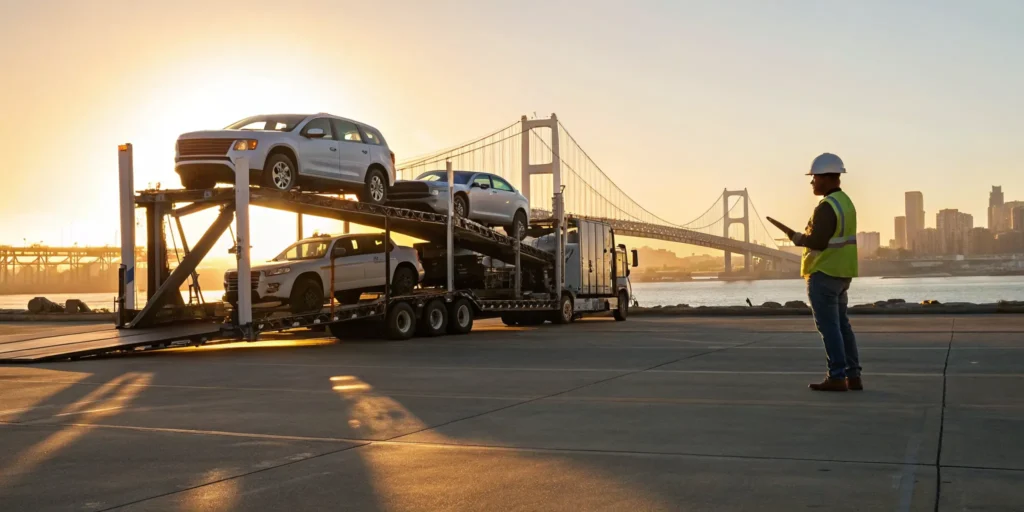
The peace of mind that comes from knowing your car is in good hands is priceless. Unfortunately, not all transport experiences are smooth. Hidden fees, communication breakdowns, and unexpected delays are common complaints in the auto shipping industry. The good news is that you can avoid these issues by doing your homework. Vetting San Diego auto shipping companies is about more than just comparing quotes; it’s about finding a partner committed to transparency and customer satisfaction. This guide will give you an insider’s look at what separates the best shippers from the rest, helping you spot red flags and identify the hallmarks of a truly professional service.
Key Takeaways
- Research is your best tool: A trustworthy company will have verifiable credentials, provide a clear and all-inclusive quote, and maintain positive reviews on independent platforms that highlight consistent communication and reliability.
- Set your car up for success: Prepare for a smooth handover by washing your car for an accurate inspection, removing all personal items since they are not covered by carrier insurance, and leaving the gas tank only a quarter full.
- Customize your shipment: Understand your options to make the best choice for your vehicle, including selecting between cost-effective open transport or protective enclosed shipping, and deciding on the convenience of door-to-door delivery.
How to Choose the Best Auto Shipping Company in San Diego
Finding the right company to ship your car to or from San Diego can feel like a big task, but it doesn’t have to be complicated. With its major transport arteries like I-5, I-8, and I-15, San Diego is a well-serviced hub for vehicle carriers. This high traffic can work in your favor, often leading to more options and competitive pricing. The key is knowing what to look for to separate the great companies from the rest. A little homework upfront can save you a lot of headaches later.
Before you commit, it’s smart to get a few quotes to compare. But your decision shouldn’t be based on price alone. The best auto shipping companies balance fair pricing with reliability and excellent service. You’ll want a partner who is fully licensed, insured, and transparent about their process from start to finish. Think of it as choosing a temporary guardian for one of your most valuable possessions. You want someone you can trust completely. Focus on these core areas: their professional credentials, the transport options they offer, their pricing honesty, and the quality of their customer care. By vetting companies on these points, you can confidently choose a reliable partner for a smooth and secure transport. Let’s break down what to look for.
Verify Their Insurance and Credentials
Your car is a valuable asset, so you want to be sure it’s in safe, legally-compliant hands. Any legitimate auto transport company must be registered with the U.S. Department of Transportation and have a USDOT number. Interstate carriers will also have a Motor Carrier (MC) number. You can easily verify a company’s credentials through the Federal Motor Carrier Safety Administration’s online database. Also, ask for proof of insurance. A trustworthy company will readily provide their certificate of insurance, giving you peace of mind that your vehicle is protected throughout its journey.
Compare Transport Options
Not all shipping needs are the same, and a good company will offer choices to match your situation. The most common option is open carrier transport, which is cost-effective and perfect for standard vehicles. If you have a luxury, classic, or custom car, you might prefer an enclosed carrier for added protection from weather and road debris. You should also ask about their pickup and delivery methods. Many companies offer convenient door-to-door services, but terminal-to-terminal shipping can sometimes be a more budget-friendly alternative. Find a company that provides the right fit for your car and your budget.
Demand Transparent Pricing
While it’s tempting to jump on the lowest price you find, an unusually cheap quote can be a red flag for hidden fees or poor service. A reputable shipper will provide a clear, all-inclusive price without any surprises. When you get a quote, make sure it details all costs, including insurance, fuel surcharges, and any other applicable fees. Don’t hesitate to ask what’s included in the price. Honest companies are upfront about their costs because they are confident in the value they provide, ensuring the price you’re quoted is the price you’ll pay.
Prioritize Great Customer Service
The way a company treats you before you book is a strong indicator of the support you’ll receive once your car is on the road. Pay attention to how they communicate. Are their representatives helpful and patient? Do they answer your questions clearly? Great customer service means you have a reliable point of contact to help you through the process, from booking to delivery. Reading recent customer reviews can offer valuable insight into a company’s reliability and responsiveness. Ultimately, you want a partner who demonstrates a clear commitment to customer satisfaction from the very first interaction.
What to Look for in an Auto Shipping Company
Choosing a company to ship your car can feel like a big decision, because it is. You’re handing over the keys to one of your most valuable assets. But it doesn’t have to be stressful. Knowing what to look for can help you sort through the options and find a reliable partner. The best companies make the process simple and give you confidence every step of the way. Focus on these four key areas to find a trustworthy shipper for your vehicle.
Verify Their Insurance and Credentials
First things first, make sure the company is legitimate. A reputable auto shipper must be fully licensed and insured. This isn’t just a suggestion; it’s a requirement that protects you and your vehicle. Before you commit, ask for their MC (Motor Carrier) number and check it with the Federal Motor Carrier Safety Administration (FMCSA). Reputable companies are proud of their credentials and make them easy to find. As Consumer Affairs notes, positive reviews often mention things like “excellent customer service, clear communication and quick transportation,” which are all hallmarks of a professional, well-regarded company. Verifying credentials is your first step toward peace of mind.
Compare Transport Options
Not all car shipping is the same, and a good company will offer a variety of transport services to fit your specific needs and budget. You’ll want to compare what’s available. The most common choice is open car transport, which is cost-effective and reliable. If you have a luxury, classic, or custom car, you might prefer enclosed auto transport for extra protection from the elements. Need your car to arrive by a specific date? Look for companies that offer expedited shipping. The goal is to find a provider that gives you choices, so you can select the method that feels right for your situation and your vehicle.
Demand Transparent Pricing
No one likes surprise fees. When you’re getting quotes, look for complete transparency. A trustworthy company will give you a clear, all-inclusive price without hidden charges. Some companies even guarantee their pricing, so you know the amount you’re quoted is exactly what you’ll pay. Be wary of quotes that seem unusually low, as they might not include essential costs like insurance or service fees. The best practice is to get a detailed quote in writing that breaks down all the costs. This ensures you can budget accurately and avoid any frustrating financial surprises when your car is delivered.
Prioritize Great Customer Service
Shipping a car involves a lot of coordination, so clear and consistent communication is essential. From your first call to the final delivery, you should feel supported and informed. A company with great customer care will assign you a dedicated agent, answer your questions promptly, and provide updates while your car is in transit. Look at customer reviews to see what others say about their experience. Mentions of friendly staff, easy communication, and a smooth process are all green flags. A company that truly values its customers makes the entire experience, from booking to delivery, feel effortless and secure.
How Much Does It Cost to Ship a Car in San Diego?
Figuring out the cost to ship your car is likely at the top of your to-do list. While there isn’t a single flat rate, understanding the key factors that go into your quote can help you budget and plan. The final price depends on your specific needs, including how far your car is going, its size, and when you need it shipped. We believe in transparent pricing, so let’s break down exactly what influences the cost of shipping your car from San Diego.
Average Costs by Distance
On average, you can expect to pay between $1,025 and $1,700 to ship a car from San Diego. Think of this as a general ballpark figure. The single biggest factor in your total cost is distance. A shorter trip, like shipping your car to another city in California, will naturally be less expensive than a cross-country move to the East Coast. The further the transport truck has to travel, the more your shipment will cost due to fuel, tolls, and the driver’s time. Our process is designed to find the most efficient route for your vehicle, ensuring a fair price for any distance.
What Factors Affect Your Quote?
Beyond distance, a few other details help determine your final price. The size and weight of your vehicle matter because larger cars, trucks, or SUVs take up more space and weight on a carrier. Your choice of transport type also plays a significant role. Most people choose open transport, where your car is safely secured on an open-air trailer. It’s the most economical option, typically costing between $600 and $1,200. For classic, luxury, or modified cars, you might prefer enclosed transport. This method shields your vehicle from weather and road debris inside a covered trailer and usually costs between $1,000 and $2,000. You can explore our vehicle shipping services to decide which is best for you.
How Seasons Affect Pricing
Timing is everything, and that’s true for auto shipping, too. Prices often change with the seasons due to supply and demand. Summer (roughly May through September) is a popular time for moving, so shipping rates tend to be higher. The same goes for the “snowbird” season in the fall and early winter, when many people move to warmer states to escape the cold. If you have a flexible timeline, you can often find lower rates by shipping your car during the off-season. Planning your shipment outside of these peak periods can be a great way to save money. To see how your dates affect your price, you can get a personalized quote today.
How to Decode Customer Reviews
Reading customer reviews is more than just glancing at a star rating. It’s about understanding the story behind the stars. When you’re trusting a company with your car, you need to know what you’re really signing up for. Think of yourself as a detective looking for clues. Consistent patterns in feedback, both good and bad, will tell you everything you need to know about a company’s reliability, communication, and overall service quality. Learning to spot these patterns helps you choose a shipping partner you can count on.
What to Look for in Positive Reviews
When you start reading positive reviews, look for specific details, not just general praise. Vague comments like “great service” are nice, but they don’t give you much to go on. Instead, search for recurring themes. Are multiple customers mentioning “clear communication,” “on-time delivery,” or “professional drivers”? These are signs of a well-organized company that values its customers’ peace of mind. The best reviews often walk you through the entire process, highlighting how the company kept them updated from booking to delivery. These detailed accounts show that the company consistently delivers a smooth and transparent experience.
Spotting Red Flags and Warning Signs
Just as you look for positive patterns, you need to be on high alert for negative ones. A single bad review isn’t a deal-breaker, but a series of complaints about the same issue is a major red flag. Pay close attention to mentions of surprise fees, significant delays with no explanation, or damage to vehicles. Another warning sign is a pattern of aggressive sales tactics followed by poor communication after you’ve booked. If you see multiple reviews describing a communication breakdown once the deposit is paid, it’s wise to be cautious. You can look up any business on the Better Business Bureau website to see if there are formal complaints filed against them.
A Quick Guide to Vetting Reviews
To get the full picture, you need to vet reviews from a few different sources. Don’t just rely on the company’s website; check independent platforms like Google, Trustpilot, and the BBB. It’s also helpful to understand the company’s business model. Many auto shippers are brokers, meaning they connect you with a network of carriers. In this case, look for reviews that mention the entire experience, from the broker’s communication to the carrier’s service. A great broker ensures a seamless handoff and stays involved until your car is safely delivered. Ultimately, you want a company whose reviews reflect the qualities you value, like dependable transport services and excellent customer care.
Your Transport and Delivery Options
Once you start getting quotes, you’ll notice you have a few key choices to make. Understanding your options for transport and delivery is the best way to find a service that fits your budget and your specific needs. Think of it like choosing your own adventure for car shipping. Each path has its own benefits, whether you’re prioritizing protection, convenience, or speed. Let’s walk through the main decisions you’ll be making.
Open vs. Enclosed Carrier
One of the first questions you’ll answer is whether you prefer an open or enclosed carrier. An open carrier is the most common and budget-friendly method. Your car is transported on a trailer that’s open to the elements, just like the new cars you see heading to dealerships. For most standard vehicles, this is a perfectly safe and reliable option. An enclosed carrier, on the other hand, offers complete protection inside a covered trailer. This is the ideal choice for classic cars, luxury vehicles, or any car that needs extra shielding from weather and road debris. It costs more, but the peace of mind can be well worth it for a high-value vehicle.
Door-to-Door vs. Terminal-to-Terminal
Next, you’ll decide how you want your car picked up and delivered. Door-to-door shipping is the most convenient option. The carrier will pick up your vehicle from your home and deliver it directly to your destination address. It’s a seamless experience that saves you time and effort. Keep in mind, if your street is too narrow for a large truck, the driver will coordinate with you to meet at a safe, accessible spot nearby, like a large parking lot. The alternative is terminal-to-terminal shipping. This requires you to drop your car off at a designated hub and pick it up from another terminal near your destination. It can be a more economical choice if you don’t mind the extra logistics.
Expedited vs. Standard Shipping
If you’re working with a tight deadline, expedited shipping is a service worth considering. By paying an additional fee, you can get a guaranteed or faster pickup and delivery window. This is perfect if you’re starting a new job or need your car to arrive by a specific date. If your timeline is more flexible, standard shipping is the way to go. It’s the most cost-effective option and still follows a reliable schedule, though the exact delivery date might have a wider window. Understanding the shipping process can help you decide which timeline works best for your move.
What to Expect from the Auto Shipping Process
Shipping your car might seem like a huge task, but it’s actually a pretty straightforward process when you work with a reliable company. Once you’ve chosen your shipper, you can expect a clear, four-step journey from quote to delivery. Knowing what happens at each stage helps you feel confident and prepared. Let’s walk through exactly what you can expect from our shipping process.
Step 1: Get a Quote and Book Your Shipment
Your first move is to get a clear price for your shipment. Reputable companies make this easy with a free online quote or a quick phone call. During this step, you’ll provide details like your vehicle type, pickup and delivery locations, and preferred timeline. You’ll also choose between open transport, the most common and budget-friendly option, and enclosed transport, which provides complete protection from the elements for classic or luxury cars. Once you review your quote and select your shipping services, you can book your transport and get your car on the schedule.
Step 2: Prepare for Pickup and Inspection
A little prep work goes a long way in making pickup day a breeze. You or a trusted adult will need to be present to meet the driver. Together, you’ll inspect your vehicle for any existing scratches or dings and note them on a document called the Bill of Lading. This is why it’s a great idea to wash your car beforehand; it makes the inspection much easier. Also, be sure to remove all personal belongings from your car. Carrier insurance doesn’t cover personal items, so it’s best to ship them separately. You can find more details on our FAQ page.
Step 3: Track Your Vehicle in Transit
Once your car is on its way, you won’t be left wondering where it is. We believe in keeping you informed every step of the journey. You’ll be able to track your vehicle’s progress, giving you peace of mind and a clear idea of its location and estimated arrival time. This transparency is a core part of our commitment to exceptional customer care. Knowing your car is in good hands and being able to follow its trip helps take the stress out of the waiting period. Our team is always focused on providing a dependable transport experience from start to finish.
Step 4: Receive Your Vehicle and Do a Final Check
The final step is the most exciting one: your car arrives! The driver will contact you to arrange a meeting at your destination. Before you sign off on the final paperwork, take a moment to walk around your vehicle and perform one last inspection. Compare its condition to the notes you made on the original Bill of Lading at pickup. This final check ensures everything is just as you left it. If you have any questions or notice anything amiss, this is the time to address it with the driver. If you need anything at all, don’t hesitate to contact us.
How to Prepare Your Car for Shipping
Getting your car ready for its trip is a straightforward but important part of the process. A little bit of prep work ensures everything goes smoothly from pickup to delivery. Think of it as packing a suitcase for your car; you want to make sure it has everything it needs (and nothing it doesn’t) for a safe journey. Following these simple steps will help protect your vehicle, prevent any surprises, and make the handover to the driver quick and easy. Our entire shipping process is designed to be simple, and these prep tips are the perfect first step.
Clean Your Car and Gather Your Documents
First things first, give your car a good wash. This isn’t about making it look pretty for the driver; it’s about creating a clear record of its condition. On a clean car, it’s easy to spot any existing scratches, dings, or dents. You and the driver will inspect the vehicle together before it’s loaded, and this step ensures the pre-shipment report is accurate. I recommend taking your own photos or a video from all angles after you’ve cleaned it. Also, have your vehicle registration handy. While you usually don’t need to send documents with the car, it’s good practice to have everything in order just in case.
Remove Personal Items and Perform a Mechanical Check
Next, it’s time to empty your car. Remove all personal belongings, from sunglasses and phone chargers to aftermarket electronics like a GPS unit. Carrier insurance doesn’t cover personal items, so anything left inside is at your own risk. This also helps keep the vehicle’s weight down. After that, do a quick mechanical check. Top off essential fluids (except gas), check for any noticeable leaks, and make sure the battery is charged. Crucially, your gas tank should only be about one-quarter full. This is enough fuel for the driver to load and unload your car but keeps the overall weight down for transport. You can find more answers to questions like these in our FAQ’S.
What Happens on Pickup Day
On the day of pickup, you or a trusted adult (18 or older) will need to be present to hand over the keys. The driver will arrive and perform a detailed vehicle inspection with you, noting any existing damage on a document called the Bill of Lading. This is your chance to walk around the car together and agree on its condition before it leaves your care. Review this document carefully before you sign it, as it serves as the official record. Once the paperwork is signed and the keys are handed over, your car will be carefully loaded onto the carrier, and its journey will begin.
Understanding Auto Shipping Insurance
Let’s talk about something that can feel complicated but is incredibly important: insurance. Knowing your car is protected brings peace of mind, so it’s smart to understand how it all works. Every professional auto transport company is required to carry insurance, but the details can vary. Here’s a straightforward breakdown of what to expect and what questions to ask.
What Basic Carrier Insurance Covers
Every licensed auto carrier has basic cargo insurance. Think of this as the standard safety net. This policy is designed to cover damage to your vehicle that happens because of carrier negligence, for instance, if an accident occurs during transit. Most open carriers, the most common transport option, have coverage that ranges from $100,000 to $150,000.
While this is substantial, it’s important to know this coverage has limits. For vehicles with a higher value, like a classic car, you might consider different transport services. Enclosed carriers provide physical protection and typically come with higher insurance coverage, offering extra security for your prized possession.
Should You Get Additional Coverage?
This is a great question, and the answer really depends on your car’s value. The basic carrier insurance provides a solid foundation, but it might not cover the full worth of a high-end or custom model. You don’t want to be underinsured if the unexpected happens. To bridge this gap, some shipping companies offer supplemental insurance options, allowing you to purchase coverage that matches your car’s specific value.
Before you book, have a direct conversation with the transport company. Ask about their policies and if they recommend additional coverage for your vehicle. You can often find answers on a company’s FAQ page as well.
How to File a Claim for Damages
The claims process actually begins before your car even leaves your driveway. The key is documentation. When the driver arrives, you will both inspect your vehicle and note any pre-existing damage on a document called the Bill of Lading. This report is your proof of the car’s initial condition.
Understanding our process ahead of time makes everything smoother. When your car arrives, perform another thorough inspection with the driver before signing off. If you spot any new damage, note it on the Bill of Lading, take clear photos, and contact the shipping company right away to start their claims process.
Common Auto Shipping Myths, Busted
When it comes to shipping your car, a little misinformation can go a long way. Let’s clear up some of the most common myths so you can feel confident about your transport decisions.
Myth: All Transport Companies Are the Same
It’s a mistake to think all auto transport companies offer the same service. Some are carriers who own the trucks, while others are brokers who connect you with a network of drivers. A great broker acts as your advocate, managing the logistics for you. Your experience often comes down to communication and reliability. A reputable company will have a track record of excellent customer service and keep you in the loop from start to finish. Choosing a trusted partner means you’re getting a team dedicated to getting your vehicle there safely.
Myth: You Can Pack Your Car with Personal Items
It’s tempting to use your car as a moving container, but this is a risky misconception. Most carriers are not licensed to transport household goods, and federal regulations often prohibit it. While some may allow a few personal items (usually under 100 pounds) in the trunk, these belongings are not insured against loss or damage. Packing your car also adds weight, which can lead to extra fees. For a secure transport, it’s best to empty your vehicle completely. This protects your belongings and ensures your shipping process goes off without a hitch.
Myth: Enclosed Transport Is Always Better
While enclosed transport offers maximum protection, it isn’t always the better choice. This premium service is typically for classic or high-value vehicles that need a shield from weather and road debris. For most standard cars, open transport is a perfectly safe and much more affordable option. Open carriers are the industry standard, moving millions of cars securely every year. Your vehicle is exposed to the elements, just as it would be if you were driving it. You can explore different transport services to find the right fit without overpaying for protection you may not need.
Myth: You Can Book at the Last Minute
Waiting until the last minute to book your vehicle shipment can cause stress and limit your options. While finding a carrier on short notice is sometimes possible, it often comes at a premium price. To get the best rate and ensure a spot on a truck that fits your schedule, plan ahead. We recommend booking your transport at least two to three weeks in advance. This gives your transport company enough time to coordinate with a reliable driver and secure your route. Planning ahead is a simple step that makes the entire shipping experience smoother for everyone involved.
Tips for a Flawless Shipping Experience
Shipping your car should be a straightforward process, not a stressful one. With a little preparation and the right partner, you can make sure your vehicle gets from point A to point B without a hitch. Think of it like planning any other important trip; a bit of foresight goes a long way. These simple tips will help you set yourself up for a smooth and successful auto transport experience.
Do Your Research and Communicate Clearly
Choosing the right company is the most important step you’ll take. Start by looking for a transport service with a proven track record of reliability and happy customers. Diving into customer reviews can give you a real sense of what to expect, from communication style to delivery times. Look for patterns in the feedback. Consistent praise for clear communication and on-time service is a great sign. Once you’ve chosen a company, keep those lines of communication open. Clearly explain your needs, your timeline, and any special requirements for your vehicle. A great shipping partner will, in turn, provide you with a dedicated contact and keep you updated throughout the process.
Be Flexible with Your Timing
While you might have a perfect pickup day in mind, a little flexibility can make a big difference. If you can provide a small window of a few days for your pickup, it gives the carrier more options to plan their routes efficiently. This flexibility can often translate into more competitive pricing for you. Carriers are constantly optimizing their routes to accommodate multiple vehicles, and being able to fit your car into an existing trip is easier when the schedule isn’t rigid. If your dates are firm, that’s okay too! Just be sure to communicate this upfront so the company can make the necessary arrangements for you.
Keep Good Records and Follow Up
From your initial quote to the final inspection report, hold onto all your documentation. Keep your booking confirmation, bill of lading, and any other paperwork in a safe place until your car is delivered and you’ve confirmed everything is in order. Reputable companies provide tracking services that let you monitor your vehicle’s journey, giving you peace of mind. Don’t be afraid to be proactive. If you have a question or feel like you need an update, reach out to your transport coordinator. A customer-focused company will be happy to provide the information you need and ensure you feel confident every step of the way.
Related Articles
Frequently Asked Questions
How long does it actually take to ship a car? The total transit time depends mostly on distance. A cross-country trip can take anywhere from 7 to 10 days, while a shorter, regional move might only take 2 to 4 days. Keep in mind that this timeline begins once your vehicle is picked up by the carrier. The driver is often coordinating multiple pickups and deliveries along a route, so the schedule is designed to be as efficient as possible for everyone.
What’s the main difference between open and enclosed transport? Think of it as choosing between economy and first class. Open transport is the standard, cost-effective method where your car travels on an open-air trailer. It’s a very safe and reliable option for most daily-driver vehicles. Enclosed transport provides complete protection inside a covered trailer, shielding your car from weather and road debris. This is the best choice for classic, luxury, or high-value vehicles that need that extra layer of security.
Do I have to be there for pickup and delivery? Someone must be present at both ends of the journey. You or a trusted adult (18 or older) will need to meet the driver to inspect the vehicle, sign the Bill of Lading, and hand over or receive the keys. If you can’t be there yourself, a friend, family member, or neighbor can act as your representative, as long as they can handle the inspection and paperwork on your behalf.
Can you ship a car that doesn’t run? Yes, we can definitely ship a non-running, or inoperable, vehicle. The key is to let us know when you book your shipment. Transporting a car that doesn’t run requires a truck with a winch to safely load and unload it, so we need to assign the right carrier for the job. There is typically a small additional fee for the specialized equipment and labor involved.
How far in advance should I book my shipment? For the best results, I recommend booking your transport at least two to three weeks ahead of your desired pickup date. This gives us ample time to schedule a reliable driver for your route and often results in better pricing. While last-minute shipping is sometimes possible, planning ahead is the best way to ensure a smooth process and avoid the higher costs associated with rush jobs.