
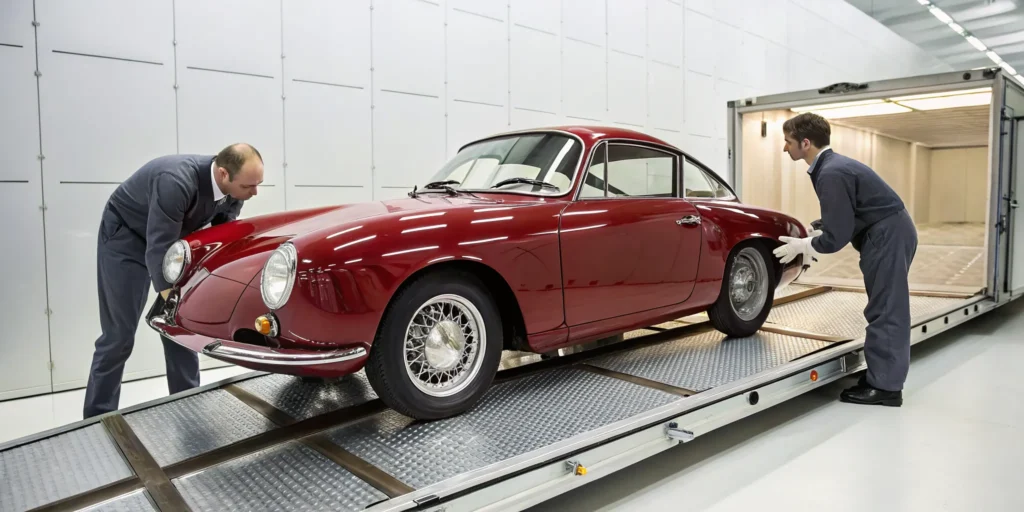
Handing over the keys to your classic car requires a huge amount of trust. In an industry with so many options, it can be difficult to know who is truly qualified to handle your vehicle. The difference between a direct carrier with its own fleet and a broker who outsources the job to the lowest bidder is massive. This guide is designed to help you find a reliable partner for your collector car transport needs. We’ll show you what credentials to check, what red flags to watch out for, and what defines a premier service, giving you the tools to choose a company that values your car as much as you do.
Key Takeaways
- Prioritize specialized transport for your classic: Standard shipping exposes your car to unnecessary risks. Look for a direct carrier that provides enclosed transport and uses the right tools, like hydraulic lift-gates and soft straps, to safeguard your car’s condition and value.
- Do your homework to find a trustworthy partner: A reputable transporter will be transparent and experienced with collector cars. Always verify their credentials and insurance, and be cautious of unusually low quotes, which often signal a lack of quality or hidden fees.
- Create a detailed record of your car’s condition: Your best protection is documentation. Before shipping, take clear photos and notes of your car’s state. Use this record and the Bill of Lading to perform a careful inspection at delivery before you accept the vehicle.
Why Does Your Collector Car Need Special Treatment?
Your collector car is more than just a way to get from point A to point B. It’s a piece of history, a work of art, and a testament to your passion. When it comes time to move it, you can’t just hand the keys over to any transport service. Your vehicle has specific needs that require a specialized approach to ensure it arrives in the same pristine condition it left in.
The Unique Needs of a Classic Car
A classic car isn’t built like a modern vehicle. Its value comes from its originality, from the custom paint job to the vintage parts under the hood. This also makes it more fragile. You’ve poured countless hours and a significant financial investment into your car, and it deserves to be handled with the utmost care. Low ground clearance can make standard loading ramps a hazard, and delicate finishes are vulnerable to scratches and dings. These cars are often irreplaceable, so protecting them from the elements and road debris isn’t just a preference; it’s a necessity for preserving its condition and value. It’s about safeguarding a piece of your personal history.
Why Standard Shipping Falls Short for Your Investment
Standard open-carrier shipping, while fine for a daily driver, simply doesn’t offer the protection your classic car needs. It leaves your vehicle exposed to weather, rocks, and other road hazards that can cause irreversible damage. Furthermore, many transport services are actually brokers who hire the lowest-bidding independent driver. This means you often have no idea who is actually handling your car, leading to a lack of accountability. A dedicated classic car transporter provides direct control over the transport process, using specialized equipment like enclosed trailers and lift gates to safely load and secure your vehicle. Choosing the right service means you’re not just shipping a car; you’re protecting a valuable asset.
Open vs. Enclosed: Which is Right for Your Classic Car?
When it comes to shipping your classic car, one of the most important decisions you’ll make is choosing between open and enclosed transport. Each method has its own set of benefits, and the right choice really depends on your car’s condition, value, and your personal budget. You’ve poured a lot of love, time, and money into your vehicle, so understanding your shipping options is the first step toward a stress-free transport experience. Let’s break down what each service offers so you can make a confident decision for your prized possession.
The Case for Open Transport
Open transport is the most common and affordable way to ship a vehicle. Your car will be secured on a trailer that is open to the elements, much like the new cars you see being delivered to dealerships. The primary advantage here is cost savings. Because these carriers can transport more vehicles at once, the price per car is lower. This option is a great fit for a project car that you’re planning to restore or for a more rugged classic where you aren’t as concerned about exposure to rain or road dust. While it’s a safe and reliable method, it does leave your car exposed to the same conditions it would face on a regular road trip.
Why Enclosed Transport Offers Peace of Mind
If your classic car is in pristine condition or holds significant sentimental value, enclosed transport is the way to go. With this premium service, your vehicle is shipped inside a fully covered and sealed trailer. This provides complete protection from weather, road debris, dust, and potential dings. Think of it as a private, mobile garage for your car. While it costs more than open transport, the added security is an investment in preserving your car’s flawless finish. For show cars, rare models, and high-value investments, the peace of mind that enclosed shipping provides is often well worth it.
How to Choose the Best Option for Your Car
Ultimately, the best choice comes down to your specific needs. Consider your car’s value, its current condition, and your budget. If you’re shipping a durable classic that can handle the elements, open transport is a practical and economical solution. If you’re shipping a mint-condition collector piece, enclosed transport offers the protection it deserves. A trustworthy transport company will also take extra precautions regardless of the method. For example, they should use soft nylon straps to secure your vehicle, not metal chains that can damage the frame. Understanding our process can help you feel confident that your car is in good hands.
How to Find a Transporter You Can Trust
Handing over the keys to your collector car is a big deal. You’re not just shipping a vehicle; you’re entrusting someone with a piece of history, a passion project, and a significant investment. Finding a company that understands this is the most important step in the process. A trustworthy transporter will be transparent, experienced, and properly equipped for the job. Here’s what to look for to make sure your classic car is in the best hands.
Check for the Right Credentials and Insurance
Before you commit to any transporter, do your homework on their credentials. A legitimate company will be registered with the Department of Transportation and have a motor carrier (MC) number. Don’t be shy about asking for this information. Most importantly, verify their insurance. Ask for a certificate of insurance and review it carefully. You need to know exactly what is covered and for how much. A standard policy might not be enough for a high-value collector car, so understanding the details of their coverage is essential to protect your investment.
Prioritize Experience with Collector Cars
Transporting a classic car isn’t the same as shipping a standard sedan. It requires specialized knowledge and equipment. Look for a company with a proven track record of handling high-value and collector vehicles. Check online reviews, ask for references from other classic car owners, and look at their photo gallery. A company that proudly showcases its experience with cars like yours is a good sign. This specialized experience means they understand the unique challenges, from low ground clearance to delicate paint jobs, and have the right process to handle them safely.
Understand the Difference: Direct vs. Broker
It’s important to know who you’re actually hiring. You’ll encounter two main types of businesses: direct carriers and brokers. A direct carrier owns and operates its own fleet of trucks. A broker, on the other hand, arranges transportation with independent drivers. This can add a layer of uncertainty, as you often won’t know who is actually moving your car, and their standards might not align with your expectations. Working with a direct carrier gives you a single point of contact and greater accountability from start to finish.
Spot the Red Flags Before You Book
If a quote seems too good to be true, it probably is. Unusually low prices are a major red flag in the transport industry. A rock-bottom quote might mean the company cuts corners on insurance, equipment, or driver quality. It could also be a bait-and-switch tactic where the final price is much higher. Be wary of companies that demand a large upfront deposit or pressure you into making a quick decision. A reputable transporter will provide a clear, detailed quote and answer all your questions without hesitation. Check their FAQs to see how transparent they are about their pricing and services.
What Defines a Premier Collector Car Transport Service?
When you’re shipping a collector car, you’re not just moving a vehicle; you’re entrusting someone with a piece of history, a passion project, or a significant investment. A premier transport service understands this distinction. It’s about more than getting from point A to point B. It’s about a commitment to meticulous care, clear communication, and total peace of mind. The best companies build their reputation on a foundation of trust and specialized expertise. They have refined processes designed specifically for high-value vehicles and a customer-first approach that makes you feel confident every step of the way. These are the non-negotiable qualities that separate a standard carrier from a true partner in protecting your classic car.
A Proven Track Record with High-Value Vehicles
Experience is everything when it comes to handling irreplaceable cars. A top-tier service will have a long history of transporting high-value and classic vehicles, and they should be proud to share it. You’ve put countless hours and resources into your car, so it deserves special care from experts who appreciate its worth. Look for companies that own their fleet and employ their drivers directly. This structure ensures consistent training, accountability, and a higher standard of service, as the people handling your car are part of the company you hired. A proven track record means they’ve seen it all and have the right equipment and knowledge to manage any situation with professionalism.
Transparent Communication and Tracking
Nothing is more stressful than being in the dark about your car’s whereabouts. A premier transport service prioritizes transparent communication from the moment you get a quote to the final delivery. You should have a direct point of contact and receive regular updates on your vehicle’s journey. Modern tracking technology allows you to see your car’s progress in real-time, offering an extra layer of reassurance. A company with a clear and well-defined shipping process demonstrates its reliability and commitment to keeping you informed. If a company is hard to reach or vague with details, consider it a major red flag.
Comprehensive Insurance Coverage
Your standard auto insurance policy likely isn’t sufficient to cover your collector car during transit. That’s why robust insurance coverage is a hallmark of a trustworthy transport service. Before you commit, ask for proof of their insurance and take the time to understand exactly what is covered. A premier company will be upfront about their policy limits and what happens in the unlikely event of a claim. They should be able to answer all your questions clearly and without hesitation. Don’t be afraid to ask for the details; protecting your investment is the top priority, and a great partner will support you in doing so.
Exceptional Customer Support
Great customer support is the glue that holds the entire experience together. From your initial inquiry to the final inspection, you should feel like a valued client. This means working with a team that is knowledgeable, responsive, and genuinely dedicated to providing a smooth, stress-free experience. Top-tier companies avoid the broker model, where your vehicle could be passed off to the lowest bidder. Instead, they manage the entire process in-house, ensuring quality control and a single point of accountability. This commitment to customer satisfaction is what truly defines a premier service and gives you the confidence that your classic car is in the best possible hands.
What Goes Into Your Collector Car Shipping Quote?
Getting a quote to ship your collector car isn’t a simple, one-size-fits-all process. Several key factors influence the final price, and understanding them helps you see the value behind the numbers. A quote from a reputable transporter reflects the specialized care and security your investment deserves. It’s about more than just moving a car from point A to point B; it’s about ensuring your classic arrives in the exact condition it left. Let’s break down the main components of your shipping quote so you know exactly what you’re paying for.
How Distance and Route Impact Cost
It’s logical that the farther your car needs to go, the more the transport will cost. Fuel, driver time, and general wear and tear on the carrier all add up over long distances. But for a collector car, the specific route is just as important as the mileage. A straightforward trip on major interstates is different from a journey through remote areas with winding roads or steep grades. These more complex routes require extra planning and time, which can affect the price. A professional transporter plans a route that prioritizes safety, avoiding poor road conditions and potential hazards, because your vehicle requires special care that standard shipping doesn’t provide.
Why Your Car’s Specs Matter
The size, weight, and condition of your collector car play a big part in your shipping quote. A large, heavy vehicle like a classic American sedan takes up more space and weight capacity on a carrier than a small vintage sports car, which naturally increases the price. If your car isn’t running and can’t be driven onto the trailer, it will require a winch and other special equipment for loading, which also adds to the cost. Quality transport companies understand that a classic car can’t be secured with standard metal chains. They use soft, non-abrasive straps to protect your car’s frame and finish, ensuring it arrives without a scratch.
Does the Time of Year Affect Pricing?
Absolutely. Like many industries, auto transport has peak seasons that affect pricing. Summer months and holidays are popular times for moving, so higher demand often leads to higher rates. Shipping your car during the off-season, like in the fall or late winter, can sometimes be more cost-effective. Weather is another major factor. Transporting a vehicle to or from northern regions during the winter can be more expensive due to challenging road conditions like snow and ice, which demand highly skilled drivers and can cause delays. Be cautious of quotes that seem unusually low for the season; a price that looks too good to be true often comes with unreliable service or unexpected fees.
Choose Your Service: Door-to-Door vs. Terminal
You typically have two choices for pickup and delivery: door-to-door or terminal-to-terminal. With terminal-to-terminal shipping, you drop your car off at a specified location and pick it up from another one near your destination. While this can be a more budget-friendly option, it involves more handling and driving your classic to and from the terminals. For a high-value collector car, door-to-door service is the gold standard. The carrier picks up your vehicle as close to your home as legally and safely possible and delivers it right to your new address. This premium service minimizes risk and offers a level of convenience and peace of mind that is well worth the investment.
How to Prep Your Collector Car for a Safe Trip
Once you’ve chosen a transport company, it’s time to get your car ready for its journey. Proper preparation is your best line of defense against potential issues and ensures a smooth handover to the driver. Think of it as setting your classic car up for success. Taking these steps not only protects your vehicle but also gives you complete peace of mind from pickup to delivery. A little effort now goes a long way in guaranteeing your car arrives in the exact condition it left.
Your Pre-Shipment Inspection Checklist
Before the truck arrives, give your car a thorough cleaning. A clean car makes it easy to spot any existing dings, scratches, or paint chips. Next, conduct a detailed inspection and document everything. I recommend taking clear, well-lit photos from every angle: front, back, sides, and top. Don’t forget to get close-ups of any existing imperfections. You should also photograph the interior and the current odometer reading. This creates a clear record of your car’s condition, which you and the driver will use to complete the Bill of Lading. This document is crucial, as it serves as your proof of the car’s pre-shipment state.
Get Your Vehicle Mechanically Ready
Your car doesn’t need a full tune-up, but a few mechanical checks are essential. First, check the fuel level. Most transport companies require the tank to be at or below a quarter full. This reduces the vehicle’s weight and is a key safety measure. Be sure to check your specific company’s rules for their exact requirements. Also, check for any significant fluid leaks and inform the carrier ahead of time. Make sure the battery is fully charged and the brakes are operational, as the driver will need to start and move the vehicle during loading and unloading. Finally, if you have an anti-theft alarm, be sure to disable it.
Secure Loose Parts and Remove Personal Items
The last step is to prepare the body of your car and clear out the interior. Start by removing all personal belongings. Your carrier’s insurance does not cover personal items left inside the vehicle, so it’s best to ship them separately. Next, secure or remove any custom or loose exterior parts, such as spoilers, antennas, or specialty covers. If you have a convertible, make sure the top is raised and properly secured to protect the interior from the elements. A professional transport service will use soft straps to secure your car, but it’s your job to ensure there’s nothing on the vehicle that could come loose during transit.
What Are the Risks of Shipping a Collector Car?
Handing over the keys to your collector car can feel like a leap of faith. You’ve poured countless hours and resources into this vehicle, and the thought of it being transported across the state or country can be stressful. Understanding the potential risks is the first step toward preventing them. While shipping is generally very safe with a reputable company, being aware of the challenges helps you ask the right questions and choose a transporter who is prepared to handle your investment with the care it deserves. The goal isn’t to worry you, but to empower you to make the best choice for your car. A professional service anticipates these risks and has clear procedures in place to ensure a smooth, secure journey from start to finish.
Understand Potential Shipping Damage
Your classic car is more than just a vehicle; it’s a significant investment. That’s why the thought of potential damage during transport is a primary concern. The risks can range from minor cosmetic issues like paint scuffs and scratches from road debris to more serious damage from improper handling or securing. Unlike a standard vehicle, a collector car often has unique features, delicate paintwork, and custom parts that require specialized attention. A transporter who doesn’t have experience with high-value vehicles might not use the right techniques, leading to preventable issues. This is why choosing a company that demonstrates a commitment to exceptional customer care and has a proven track record is so important.
Account for Weather and Road Hazards
Once your car is on the road, it’s exposed to the elements. Open transport, while a common shipping method, leaves your vehicle vulnerable to everything from sudden hailstorms and heavy rain to harsh sun that can damage paint and interiors. Beyond the weather, there are also road hazards to consider. Gravel, rocks, and other debris kicked up by other vehicles can easily cause chips and dents. An enclosed carrier effectively cocoons your car, creating a protective barrier against these unpredictable factors. This option ensures your vehicle arrives in the exact same condition it left, shielded from the wear and tear of a long-distance journey.
The Critical Moments: Loading and Unloading
Some of the highest-risk moments in the entire shipping process are loading and unloading. Many classic cars have low ground clearance, which makes using standard ramps a risky proposition. A steep angle can cause the car’s undercarriage, front spoiler, or exhaust system to scrape against the ramp, leading to costly damage. The safest and most professional method for a collector car is using a truck equipped with a hydraulic lift-gate. This platform gently lifts your vehicle horizontally from the ground to the trailer level, eliminating the risk of scraping. It’s a critical piece of equipment that shows a transporter understands the specific needs of valuable vehicles.
How the Right Equipment Reduces Risk
The right equipment goes far beyond just the truck itself. A premier transport service invests in a modern fleet designed specifically for high-value vehicles. This includes features like air-ride suspension to provide a smoother ride and minimize vibrations that could harm older cars. It also means using soft-tie downs and nylon straps to secure the vehicle by its wheels, rather than chain-based systems that can put stress on the frame or suspension components. When you vet a company, ask about their equipment. The best transporters are proud to explain how their specialized tools and shipping process work together to protect your car at every stage of its journey.
Is Your Collector Car Properly Insured for Transport?
Shipping a collector car involves more than just finding a truck. It’s about protecting a valuable, and often sentimental, investment. A key part of that protection is understanding your insurance coverage before your car ever leaves your driveway. While any professional transport company will have its own insurance, the details of that coverage are what matter most. Taking the time to review your options ensures you have the right protection in place for a worry-free shipping experience.
At Roadrunner, we believe in transparency, which is why we want you to feel confident about every aspect of the journey. Our commitment to you includes being fully insured and bonded, but it’s always a smart move to know exactly what that means and what additional steps you can take. Let’s walk through what you need to know to make sure your classic car is properly covered from pickup to delivery.
What Does Standard Carrier Insurance Cover?
First, it’s important to understand that the insurance provided by a vehicle transporter is carrier liability insurance, not a personal auto policy. This type of insurance is designed to cover damage that occurs due to the carrier’s negligence during transit. Think of it as the transporter’s professional responsibility insurance.
However, your personal car insurance policy typically does not cover your vehicle while it’s in the care of a commercial shipping company. Carrier liability is essential, but its coverage can have limits. It’s designed to protect against specific incidents where the carrier is at fault, so it’s crucial to ask your transport provider for a copy of their insurance certificate to understand the coverage amounts and any exclusions.
Know When to Get Extra Insurance
For a high-value collector car, standard carrier liability might not be enough to cover its full worth. This is where supplemental insurance comes in. Many classic car owners opt for an “agreed value” classic car insurance policy. With this type of coverage, you and your insurance company agree on the car’s value beforehand, including any special customizations or restoration work. If you need to file a claim, the payout is based on that agreed-upon amount, not a depreciated market value.
Before shipping, call your own insurance agent. Ask if your existing policy covers your vehicle during commercial transport. If it doesn’t, or if the coverage is limited, purchasing a separate, short-term policy for the transport is a wise decision.
How to Document Your Car’s Condition and Value
Proper documentation is your best friend in the unlikely event of a claim. Before the driver arrives, you need to create a clear record of your car’s condition. Start by washing your car thoroughly so any existing scratches or dings are visible. Then, take dozens of high-resolution photos from every angle, both inside and out. Get close-ups of the wheels, odometer, and any existing imperfections.
A short video walk-around is also a great idea. As you film, narrate what you see. Finally, gather any receipts or appraisals that document your car’s value, especially for recent upgrades or restoration work. This file serves as your baseline, making it easy to compare the car’s condition upon arrival and providing solid evidence if you need it.
What to Expect on Shipping Day
The day your collector car gets picked up for transport can feel like a mix of excitement and nerves. You’ve done the research and chosen a great transporter, but it’s natural to feel a little anxious watching your prized vehicle drive away. Knowing exactly what the process entails can make all the difference, turning a stressful day into a smooth handoff. From scheduling the pickup to the final inspection at delivery, here’s a clear guide to what you can expect on shipping day, so you can feel confident every step of the way.
How Scheduling Works
When you book your transport, the company will provide a pickup window, which is typically a range of a few days. The exact date and time are confirmed closer to the window as the driver finalizes their route. For the most reliable scheduling, it’s helpful to work with a company that manages its own fleet and drivers directly. This direct line of communication avoids the delays that can happen when jobs are outsourced. On the day of pickup, make sure you or a trusted representative is available. The driver will perform an initial inspection and fill out a Bill of Lading, which you’ll both sign. This document is the official record of your car’s condition before it hits the road. To learn more about the specific steps, you can review how the process works from start to finish.
Tracking Your Vehicle in Transit
Once your car is on the truck, you’ll understandably want to know where it is and that it’s safe. Reputable transport services offer ways to monitor your vehicle’s journey, giving you complete peace of mind. Many companies provide real-time GPS tracking, allowing you to see your car’s location on a map anytime you want. Others may offer regular status updates via text, email, or phone calls directly from the driver. This transparency is a hallmark of a professional service and lets you follow along as your collector car makes its way to its destination. If you have questions about tracking, the company’s FAQ page is often a great resource for answers.
Your Final Inspection at Delivery
When your car arrives, the final step is a thorough inspection. This is your opportunity to confirm it arrived in the same condition it left. Using your copy of the Bill of Lading from pickup as a guide, walk around the vehicle with the driver. Take your time and check everything carefully, preferably in good lighting. If you notice any new scratches, dings, or other issues, be sure to note them on the final Bill of Lading before you sign it. It’s also a great idea to take clear photos from multiple angles to document its condition upon arrival. This step is crucial, as this documentation is what you’ll need if you have to file an insurance claim.
Related Articles
- Best Auto Transport Companies & Tips for Choosing | Road Runner Vehicle Transports
- How to Ship a Car: Complete Guide to Auto Transport | Road Runner Vehicle Transports
- How Much Does It Cost to Ship a Car? (Price Guide)
- Car Shipping NYC: Your Ultimate 2026 Guide
Frequently Asked Questions
Is enclosed transport always the best choice for a classic car? Not necessarily, as the right choice really depends on your car’s specific situation. Enclosed transport offers complete protection from weather and road debris, making it the ideal option for show cars, rare models, or vehicles with a flawless finish. However, open transport is a safe and more economical solution for a durable classic or a project car that you plan to restore. The most important factor is choosing a quality carrier that uses the proper equipment, like soft nylon straps, regardless of the transport method.
What’s the difference between a direct carrier and a broker? A direct carrier owns and operates its own fleet of trucks and employs its own drivers. This means you have a single, accountable point of contact from start to finish, ensuring consistent service and quality control. A broker, on the other hand, arranges transportation with independent trucking companies, often based on the lowest bid. This can introduce uncertainty, as you may not know who is actually handling your vehicle or what their standards are.
What happens if my car is damaged during shipping? In the unlikely event that your car sustains damage, the first step is to document it on the Bill of Lading before you sign off on the delivery. This document, which you and the driver signed at both pickup and delivery, serves as the official record of your car’s condition. This is why a thorough inspection at both ends of the journey is so important. Once noted, you can begin the process of filing a claim against our carrier insurance.
Can you ship a car that doesn’t run? Yes, we can absolutely transport a non-running vehicle. It’s very important that you let us know about the car’s condition when you request a quote. This allows us to assign a truck equipped with a winch and other necessary tools to safely load and unload your car without driving it. Informing us upfront ensures we can provide the right equipment for a smooth and secure transport.
How far in advance should I book my transport? To ensure we can meet your preferred timeline, I recommend booking your shipment at least two weeks in advance. If you plan to ship during a peak season, like the summer months, providing even more notice is always a good idea. This flexibility allows us to schedule your transport more effectively. If you have a more urgent need, please contact us directly, and we will do everything we can to accommodate your schedule.