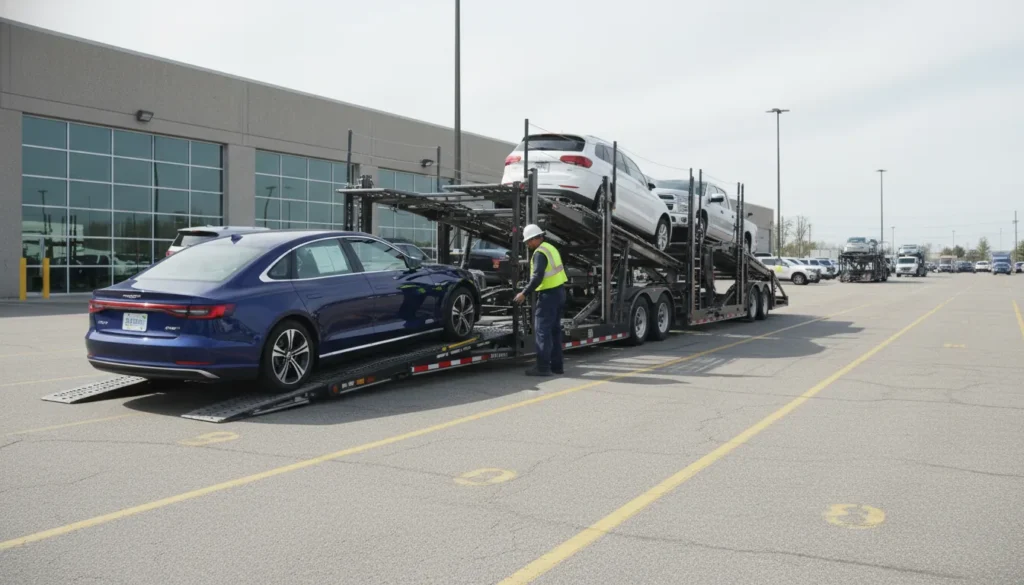
An auction win can become a storage bill before the car leaves the yard. The pickup and release plan matters as much as the winning bid.
Request an auction car transport quote from Road Runner Vehicle Transports
Auction car transport is the arranged pickup and delivery of a vehicle purchased from an auction yard to your selected final destination. Plan it before or just after winning, because a paid vehicle left on site may bring storage fees. Road Runner Vehicle Transports needs the auction location, gate pass, buyer and lot numbers, vehicle condition, and delivery details to coordinate a suitable carrier. Buyers choose open or enclosed shipping based on value and condition, while non-running or oversized vehicles require accurate disclosure before booking to prevent avoidable delays. A Bill of Lading records key shipment parties and route details, then supports condition review when the vehicle arrives at its delivery location.
The central question is simple: how do you move an auction purchase before storage, paperwork, or condition issues add cost? The first step is “Auction car transport starts with the release plan,” because pickup cannot begin until the yard can release the vehicle. Here’s how.
Auction car transport starts with the release plan
Winning an auction bid starts the transport work; it does not mean the vehicle is ready to leave the yard. For auction car transport, first confirm when the vehicle is paid, released, and available for pickup. Ask the auction or seller which release record an authorized carrier must present.
Details to collect first
Put the buyer name, VIN, lot reference, pickup address, yard phone number, and pickup hours in one place. If the vehicle does not run or has oversized parts, state that before transport is arranged. Clear condition notes help the pickup party prepare for loading needs.
- Release status: Confirm payment approval and any gate pass or pickup form required by the seller.
- Vehicle match: Check the VIN and lot reference against the sale paperwork before scheduling pickup.
- Condition notes: Report whether the car starts, rolls, steers, brakes, or needs loading help.
Yard rules and deadlines
Ask the yard for its pickup hours, loading rules, required identification, and final removal date. Get the storage policy in writing when possible. Some auction sales may add charges when vehicles remain at a lot, so read the facility’s removal terms before choosing a pickup window.
Do not rely on a broad promise about free storage or an exact pickup date. Yard access and release status can affect the plan. If a release is pending, tell Road Runner Vehicle Transports before a carrier is sent to the site.
An authorized pickup handoff
Confirm whether the yard needs a named carrier or pickup party on the release record. Share the yard contact, release instructions, condition notes, and destination before dispatch. To start that coordination, use Road Runner’s page for requesting a car shipping quote with accurate locations and vehicle details.
Choose a contact who can answer calls during yard hours if questions arise. At pickup, keep the release papers with the transport record. Federal rules require a motor carrier to issue a bill of lading or receipt for property tendered for transport.
- Provide the approved pickup contact and release record.
- Confirm the vehicle description and known loading needs.
- Save the pickup paperwork for review at delivery.
What documents do you need for auction pickup?
Release details to collect
Auction car transport starts with the yard’s release process. Some facilities require a gate pass or release document before a carrier may enter. Others set different proof or pickup rules. Ask the auction yard what it accepts, when pickup is allowed, and who can release the car.
Keep the buyer number and lot or stock number with the release record. Also confirm the VIN, year, make, and model shown on your purchase record. Matching those details before dispatch helps the carrier locate the right vehicle and limits avoidable pickup delays.
Condition notes for loading
Tell Road Runner Vehicle Transports if the vehicle runs, rolls, steers, and brakes. Note loose parts, low clearance, oversize tires, lift kits, or other changes that can affect loading. Road Runner needs inoperable or modified vehicle details at booking, since equipment needs and pricing can change.
If you can inspect before pickup, check the vehicle condition and record what you see. A pre-bid inspection, ideally with a mechanic, is also advised in this Oregon State University auction guide. For a distant purchase, request any yard photos and condition notes that are available.
Your pickup handoff checklist
Use this short sequence once the sale and yard release steps are clear:
- Request the yard’s pickup rules, gate hours, release form, and named pickup contact.
- Share the gate pass or approved release record, buyer number, lot number, and exact yard address.
- Send the VIN and vehicle description, then disclose operability issues or modifications before carrier assignment.
- Name an authorized contact who can answer yard questions while the carrier is at the gate.
- Arrange the Bill of Lading handoff and confirm who can inspect and sign at pickup and delivery.
The Bill of Lading records the vehicle condition at transport handoff. The pickup representative should review visible pre-existing damage before signing, then keep a copy for delivery review. The delivery representative should compare the car against that record and note concerns before signing.
When delivery crosses state lines, Road Runner can help you plan the move from the auction yard to your selected destination. Start by reviewing how vehicle transport works. No single document list fits every auction yard, so confirm the facility’s current release rules before scheduling pickup.
Choosing open or enclosed transport for an auction car
Choosing between open and enclosed auction car transport starts with the vehicle, not a preset rule. Road Runner Vehicle Transports helps buyers coordinate the selected vehicle’s pickup details with an appropriate carrier option.
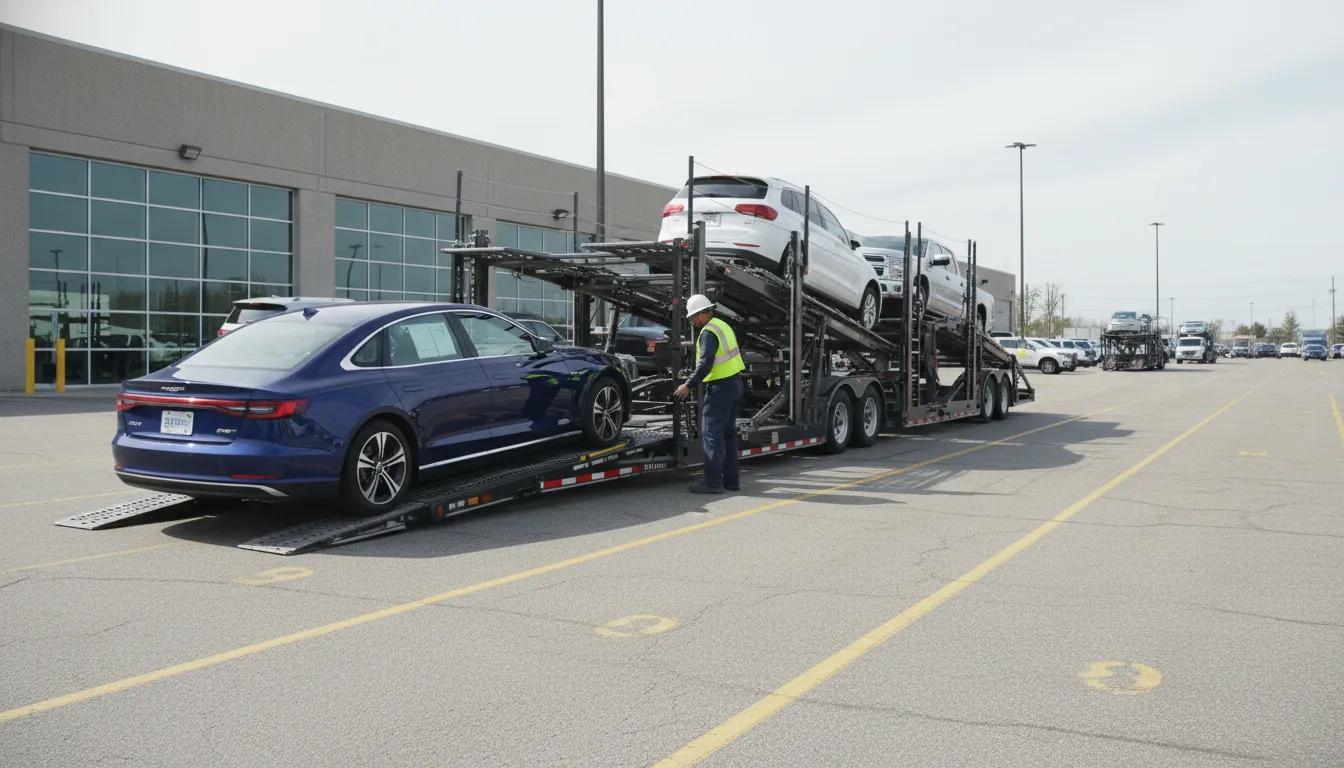
Open transport may fit a daily-use purchase. Enclosed transport adds separation from outside exposure during transit. The right request also reflects condition, handling needs, and the budget you set for shipping.
Matching the option to the vehicle
An operable car bought for routine driving may suit open transport, based on your exposure preference. A collector car, rare trim, restored vehicle, or delicate finish may lead you toward enclosed transport. Consider what arrived at auction, not only what you paid for it.
Condition matters as much as value. Tell the broker if the vehicle does not run, is lifted, or is oversized. These details affect the carrier and loading approach needed at pickup. Clear disclosure also helps prevent a booking that does not match the car.
Open transport may fit daily-use vehicles when normal road exposure is acceptable and budget matters. Enclosed transport may fit collector, restored, or delicate vehicles when added shielding matters more.
| Option | Common fit |
|---|---|
| Open transport | Daily-use vehicles and standard loading needs |
| Enclosed transport | Collector, restored, or delicate vehicles |
For either option, disclose operability and loading needs before booking.
Exposure, budget, and handling needs
Open transport can make sense when the car is road-ready and you accept normal transit exposure. Enclosed transport can fit buyers who want more shielding for a special vehicle. Neither choice removes the need to document the car’s condition at pickup and delivery.
For a purchase crossing state lines, review Road Runner’s vehicle shipping services. Then compare mode, pickup access, and delivery access together. An auction yard may have loading rules that affect the workable carrier type.
Booking facts to confirm
Your transport choice does not replace pickup planning. Confirm the lot release process and share the vehicle’s true condition before carrier assignment. At each handoff, a bill of lading for transported property records key shipment details. These include the origin and destination.
- Share the auction location, lot information, and release instructions.
- State whether the vehicle runs, steers, brakes, or needs special loading.
- Choose open or enclosed service based on condition, exposure preference, and budget.
- Record existing damage on the bill of lading at pickup and delivery.
Road Runner coordinates transport with independent motor carriers across the contiguous United States. To compare a suitable option, start by requesting a car shipping quote with accurate auction and vehicle details.
How do you get an accurate auction car transport quote?
Details that shape the quote
An accurate auction car transport quote starts with exact pickup and delivery points. Give the auction yard name, full address, and the final destination ZIP code. Add the year, make, model, VIN, and lot or stock number. These details let Road Runner Vehicle Transports seek a carrier that fits the route and vehicle.
State whether the car runs, rolls, brakes, and steers. Note missing keys, flat tires, collision damage, low clearance, lifted suspension, large tires, or added equipment. A non-running or modified car may need different loading gear and space. Clear details before dispatch help reduce a price change or failed pickup.
Release and yard access information
A low quote is not useful if a carrier cannot collect the car. Tell Road Runner whether payment has cleared and whether the gate pass is released. Share the buyer number, lot number, release contact, yard hours, and any appointment or loading rules. Also note whether the yard allows a driver to collect without you present.
Ask the auction for its removal deadline before choosing your pickup window. Each auction sets its own rules about release, access, and possible fees for vehicles that remain at the yard. Confirming those terms before dispatch helps you choose a practical pickup window.
Prepare for records at delivery as well. Federal rules require motor carriers to issue a receipt or bill of lading for property offered for transport. The record includes origin and destination details, among other information. Review the vehicle condition and paperwork with the carrier, using the bill of lading requirements as a reference point.
Schedule and broker role
Share your desired pickup window, delivery location access, and any deadline that cannot move. Pickup and delivery dates are estimates because carrier routes, yard releases, weather, and traffic can change. A flexible window may give the broker more carrier options. A narrow deadline should be stated before a carrier is assigned.
Road Runner Vehicle Transports is a licensed vehicle transport broker, not a trucking fleet. It coordinates the move with vetted independent motor carriers that perform the physical transport. When ready, start by requesting a car shipping quote with the route, release status, condition, and schedule details in hand.
From auction pickup to delivery: what buyers should expect
Scheduling after the sale
Auction car transport starts with the pickup release, not just the winning bid. Confirm when the vehicle can leave the yard. Share the lot number, buyer information, gate pass, and exact pickup address. Also disclose whether the car runs, rolls, steers, or has size changes before a carrier is assigned.
Book as soon as the auction permits release, since each yard sets its own removal rules. Some auctions may apply added fees or other consequences after a stated removal deadline. A pickup window remains an estimate, since release timing, routes, weather, and yard access can change.
Carrier assignment and pickup records
Road Runner coordinates the move through an independent motor carrier rather than sending its own truck. When a carrier is assigned, the broker fee is due for dispatch and monitoring. The remaining transport balance is paid to the carrier at delivery, based on the agreed booking terms.
At pickup, the authorized person and driver should inspect the vehicle before loading. Note visible scratches, dents, missing items, keys, and condition issues on the Bill of Lading. A Bill of Lading is a transport receipt. It records shipment details under federal Bill of Lading requirements.
Photos taken during the inspection help support the written record. Keep a signed copy, auction release papers, and condition photos together. If an auction representative releases the vehicle for you, confirm that person can sign the pickup paperwork.
Updates and delivery check
During transit, updates help you prepare for delivery, but arrival times remain estimates. The driver may adjust a route for traffic, safe loading, or other stops. For longer routes, review Road Runner’s transport FAQs and ensure the delivery contact can meet the carrier once the arrival window firms up.
At delivery, inspect the vehicle before signing the final Bill of Lading. Compare its condition with the pickup copy and photos. Note any new issue on the delivery document before the carrier leaves. Once the paperwork is complete, pay the transport balance to the carrier as arranged.
How can auction buyers reduce pickup delays?
Release documents before dispatch
Auction car transport moves more smoothly when the vehicle is ready for release before a carrier is sent. Pay the auction balance, obtain the gate pass, and confirm the buyer and lot details first. A carrier cannot collect a vehicle that the yard has not released.
Check the auction’s removal deadline as soon as the bid closes. Auction facilities may charge fees or apply other policies when a vehicle remains after a deadline. Early paperwork reduces avoidable waiting, but it does not promise an exact pickup time.
Give complete pickup details
Tell the broker whether the vehicle starts, rolls, brakes, steers, or needs extra loading help. Also disclose missing keys, heavy damage, a lift kit, low clearance, or unusual size. These details help match the vehicle with a carrier equipped for its condition.
Confirm the yard address, lot number, gate hours, appointment rules, and loading access. Provide one pickup contact who can answer calls from the yard or carrier. If you are still comparing plans, review why buyers choose Road Runner for dependable transport coordination.
Plan for both ends of the trip
Review the estimated pickup and delivery windows before accepting dispatch. Keep a responsive contact available at each end. This matters when an auction yard has limited release hours. Fast replies can resolve a gate, access, or condition question before it becomes a missed pickup.
Prepare for delivery inspection before the car arrives. Arrange enough light and space to inspect the vehicle, then compare its condition with the pickup record. Federal rules require a carrier to issue a bill of lading or receipt for property offered for transport. Record visible concerns on that document before signing.
These steps remove common sources of friction: unreleased vehicles, missing details, access issues, and slow handoffs. They support a cleaner pickup process. Travel time, carrier space, weather, and auction operations still affect timing.
Frequently Asked Questions
What documentation is required for auction car transport pickup?
For auction car transport pickup, prepare the gate pass, buyer number, and lot or stock number before the carrier arrives. These details allow the auction yard to confirm release of the purchased vehicle. The IAA transport FAQ identifies these items as typical pickup requirements. Also confirm gate hours, the pickup address, and whether the car rolls, steers, and brakes.
How quickly can auction car transport pickup be arranged?
Pickup can be requested after payment clears and the auction releases the vehicle for transport. The IAA transport FAQ says dispatch often occurs within 24 to 48 hours after gate pass release. Actual pickup depends on yard hours, carrier availability, location, and vehicle condition. Arrange transport promptly, but treat any pickup date as an estimate until a carrier confirms it.
What are the common vehicle transport options for auction buyers?
Open transport is generally suitable for standard auction purchases and usually offers broader carrier availability. Enclosed transport places the vehicle inside a covered trailer and is often considered for classic, luxury, or weather-sensitive cars. For either option, disclose if the auction vehicle is inoperable, lifted, oversized, or missing keys. Accurate condition details help the carrier prepare for loading and reduce the risk of pricing changes.
Why is it important to pick up a car quickly after an auction win?
Auction yards set removal deadlines, and a delay may create added costs after the purchase. Each facility sets its own release and storage policies. Review the auction’s current rules before bidding or before payment clears, then plan transport as soon as release paperwork is available.
How can I request a quote for auction car transport?
To request an auction car transport quote, provide the auction name and address, delivery location, vehicle year, make, model, and lot number. State whether the car runs, rolls, steers, brakes, or needs special loading. Include the gate pass availability and removal deadline if known. These details allow a broker to seek appropriate carrier availability and estimate pricing without relying on missing or inaccurate pickup information.
Ready to request your vehicle transport quote?
Delaying transport planning after an auction win can leave you choosing pickup details under pressure. If the vehicle stays at the auction site longer than planned, storage fees may add to your purchase costs. Starting now gives you time to prepare release details, report vehicle condition, compare transport options, and plan around the pickup window.
Ready to arrange transport with fewer last-minute decisions? Request a vehicle transport quote to share your auction pickup location, vehicle details, and timing needs. Early coordination can help you move from auction release to planned delivery with a clearer next step. Provide accurate pickup information now, so the quote process begins with the details needed for practical transport planning.