
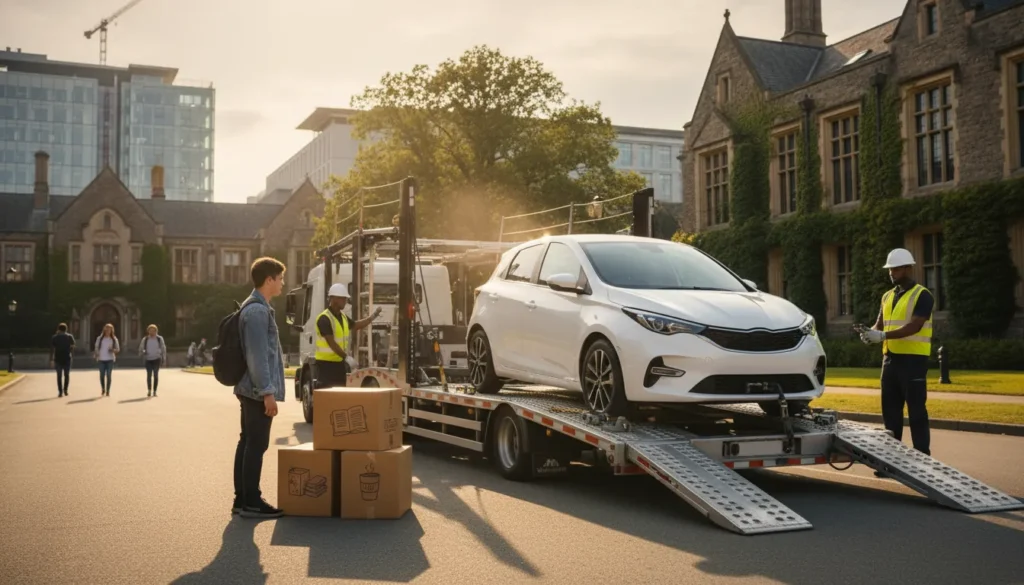
A campus move gets expensive fast when your student’s car is not ready for pickup. Dorm essentials may fill the shopping list, but the transport plan needs equal attention. A few checks before booking can prevent avoidable delays, support a smoother handoff, and make quote details easier to compare.
College car shipping starts with a clear pickup plan, accurate vehicle details, a realistic timing range, and a car prepared for carrier handoff. Before requesting a quote, confirm campus arrival dates, pickup and delivery locations, contact names, vehicle running status, and the transport type you prefer. Prepare the car by removing personal items, checking for leaks, leaving a small amount of fuel, and taking dated photos of existing damage. Make sure the car is clean enough for those photos to show its current condition clearly. Keep the keys ready, provide a working phone number, and decide who will release the vehicle and receive it near campus. Then review the quote for pickup timing, delivery timing, payment terms, and any details that could affect the move.
The right checklist answers practical questions before they become moving-day problems. Start with College car shipping checklist before you book. It covers the steps students and parents need to prepare the vehicle, gather quote details, and plan the campus handoff. Here’s how.
College car shipping checklist before you book
College car shipping is easier when the key details are clear before booking. Students and parents should agree on the campus plan, timing, contacts, and transport type first. This checklist helps set practical expectations before a carrier is assigned.
Campus access and timing
Start with the campus, not the car. Dorm roads, security gates, narrow streets, and move-in traffic may limit where a large transport truck can stop. Plan a nearby meeting point if the carrier cannot reach the dorm or apartment safely.
- Confirm campus access. Check where a transport truck can stop near housing. Choose a clear backup location, such as a nearby parking lot, before booking.
- Name the pickup and delivery contacts. Decide who will meet the carrier at each end. Share working phone numbers and keep both contacts available around the planned handoff.
- Choose a practical shipment window. Use the first class date, move-in date, and housing access rules to set timing. Leave room for carrier scheduling and road conditions.
- Compare open and enclosed transport. Open transport is the lower-cost choice for many student vehicles. Ask about enclosed transport when the car needs added protection.
- Request a clear quote. Provide the vehicle details, pickup area, delivery area, and preferred dates when you get a college car shipping quote. Ask what the quote includes and how payment works.
- Review the carrier plan. Road Runner works as a broker and connects customers with independent carriers. For general consumer information on transport oversight, review the Federal Motor Carrier Safety Administration resources.
Contacts and realistic expectations
Door-to-door service does not always mean the truck can stop at a residence hall entrance. Physical access still matters. Review how door-to-door car transport for students works, then agree on a safe handoff point.
Keep the plan simple. Confirm the quote, contacts, date window, and meeting places in writing. If a parent handles pickup and a student handles delivery, both should have the same details.
Vehicle details before booking
Give accurate information about the car before accepting a quote. Note whether it runs, whether it has changes that affect size, and where the keys will be at pickup. Accurate details help the carrier plan for the right space and equipment.
Ask what must be done before pickup, but save the final prep for the handoff date. A clean car makes the inspection easier. Personal items, fluid levels, tire pressure, and the pickup contact should all be checked again before loading.
How does college car shipping work?
College car shipping follows a clear path: quote request, carrier assignment, pickup, transport, and campus-area delivery. The student or parent shares the route and timing first. Road Runner then coordinates the move with an independent motor carrier.
Quote request and carrier assignment
Start by using the guide to get a college car shipping quote. Share the pickup city, campus area, vehicle details, preferred dates, and a reliable phone number. The route and choice between open and enclosed transport help shape the quote.
Road Runner works as a broker, not as the truck carrier. Its role is to connect the shipment with an independent carrier and coordinate the process. Before a carrier handles the move, Road Runner vets its insurance and safety record. This gives families a clear point of contact while the carrier performs the transport.
Pickup and vehicle handoff
Once a carrier is assigned, the student or parent agrees on an accessible pickup point. A parent can handle pickup at home if the student has already left for school. The carrier needs enough space to load the vehicle safely.
Prepare the car before the handoff. The Naval Postgraduate School’s vehicle shipping guidance says the vehicle should be clean and in safe operating condition. Remove valuables and personal items. Leave about one-quarter tank of gas and provide a full set of keys.
Transport and campus-area delivery
During transit, keep the main contact phone available. The student or parent should be ready to confirm delivery details when the carrier calls. If plans change, a reachable contact helps avoid confusion near campus.
Road Runner’s door-to-door car transport for students is based on safe physical access. A large transport truck may not fit on a narrow street or enter a restricted campus road. In that case, the carrier and contact arrange a nearby meeting point.
At delivery, the student or parent meets the carrier and checks the vehicle. Campus-area delivery is complete after the handoff. Keeping one person reachable from pickup through delivery makes the process easier to manage.
Should you choose open or enclosed transport for campus?
For most college moves, the right carrier type depends on the car and the protection you want during the trip. Open transport is the economical choice for budget-conscious students. Enclosed transport adds a covered setting for vehicles that need extra care.
Open transport for everyday vehicles
Open transport is a practical fit for a daily driver, such as a sedan, crossover, or standard SUV. The vehicle rides on an open carrier and remains exposed to normal road conditions during transit. This option keeps college car shipping focused on a simple campus move.
Carrier type can affect the overall expense, along with trip distance. A CUNY guide to shipping a car to campus lists open or enclosed carrier choice as one cost factor. Students comparing options can also review how to get a college car shipping quote.
Enclosed transport for added care
Enclosed transport places the car inside a covered trailer. It can suit a classic, exotic, luxury, restored, or other high-value vehicle. It may also fit a family that puts added protection ahead of choosing the economical option.
That choice does not mean every campus-bound vehicle needs enclosed service. Start with the vehicle’s value, condition, and use at school. Then weigh the level of protection you want while the car is in transit.
Compare open and enclosed transport based on the vehicle, protection priorities, and campus plan.
| Decision factor. | Open transport. | Enclosed transport. |
|---|---|---|
| Typical fit. | Daily drivers and standard vehicles. | Classic, luxury, or restored vehicles. |
| Trailer setting. | Vehicle rides on an open carrier. | Vehicle rides inside a covered trailer. |
| Main priority. | Economical campus transport. | Added protection during transit. |
Campus delivery details
After choosing a carrier type, check the campus pickup or delivery point. Door-to-door service may need a nearby meeting spot when dorm roads are tight or access is limited. The guide to door-to-door car transport for students explains the standard process.
Use the same practical rule for either trailer type: match the service to the vehicle and the campus plan. A clear delivery point helps the handoff stay simple for students and parents.
How should you prepare your car for campus transport?
A simple checklist can make college car shipping easier for students, parents, and the driver. Start several days before pickup so you have time to fix small issues. Keep the final handoff focused on the vehicle, its condition, and any details the driver needs.
Clean the car and document its condition
Wash the exterior and clear out the cabin before pickup. This makes existing scratches, dents, and marks easier to see during the inspection. The Naval Postgraduate School’s vehicle shipping guidance also says the car should be clean inside and out.
Take clear photos after washing the car and before handing over the keys. Capture each side, the roof, the bumpers, the wheels, and the windshield. Add close-up photos of existing damage. Keep the photos with your pickup records so you can review them later if needed.
- Photograph the odometer and fuel gauge.
- Remove valuables and personal items from the cabin and trunk.
- Leave the jack and spare tire in their normal places.
- Check under seats, inside door pockets, and in the glove box.
If this is your first shipment, review the standard steps for preparing your vehicle for transport. The same careful handoff helps when the destination is a college campus.
Secure accessories and turn off extras
Remove loose parts that could shift or come off during the trip. Take off removable bike racks, luggage carriers, and custom accessories when possible. Fold in mirrors if the design allows it. Secure a removable antenna or take it off before pickup.
Take out your toll tag or place it in its shielded bag. Turn off alarms and share any steps needed to disarm the system. If the car has an aftermarket alarm, test the instructions before pickup. Remove charging cables, spare electronics, and other loose items.
- Close the windows and sunroof fully.
- Lock or secure convertible tops.
- Remove loose exterior add-ons.
- Tell the coordinator about any accessory that cannot be removed.
Check operability before handoff
Check tire pressure, fluid levels, and the battery before the pickup date. The car should be safe to operate for loading and unloading. Tell the coordinator if the vehicle has leaks, low clearance, steering issues, or starting problems. Share any special steps needed to move it.
Reduce the fuel level before pickup rather than filling the tank. The same shipping checklist calls for a quarter tank of gas and a complete set of keys. Confirm which keys the driver needs, then keep your personal set with you.
How can you plan campus delivery around move-in day?
Start with the campus schedule
Plan college car shipping before the move-in rush begins. Start with the housing check-in date, student orientation schedule, and any time set aside for unloading. A CUNY guide to shipping a car to campus recommends researching a reputable transport company that serves the campus location.
Book ahead when possible, but treat pickup and delivery dates as planning windows rather than fixed promises. Do not schedule a carrier handoff during a required orientation event or a narrow dorm check-in period. Leave room before classes begin so one schedule change does not cause a rushed arrival.
Confirm a workable meeting point
Ask the housing office whether a large transport carrier can enter campus roads, residence hall lanes, or student parking areas. Also check for gates, tight turns, low branches, and move-in traffic rules. The useful address is the one a carrier can reach safely, not always the dorm entrance.
If campus access is limited, choose a nearby meeting point before the driver arrives. A wide parking area or accessible public location may be easier for the handoff. Review how door-to-door car transport for students works when the requested address cannot safely fit a carrier.
Prepare contacts and a backup plan
Keep the handoff plan simple enough for a parent, student, and driver to follow. Share the student’s mobile number, a backup contact, the meeting point, and any campus access notes. Make sure the person receiving the vehicle can answer calls during the expected delivery window.
- Check the campus move-in calendar and residence hall instructions.
- Confirm who will meet the driver if the student is busy.
- Choose a backup meeting point outside restricted campus roads.
- Allow time for traffic, check-in delays, or a changed arrival window.
For an urgent move, ask whether expedited shipping is an option while you get a college car shipping quote. Do not build the move-in plan around an unconfirmed service or guaranteed arrival date. A clear backup plan is more useful than a tight schedule with no room for change.
What college car shipping mistakes should you avoid?
Booking and pickup assumptions
College car shipping gets harder when you book at the last minute. Plan ahead, then share your move-in window, pickup address, delivery address, and two working phone numbers. A complete contact plan helps the driver reach the right person if traffic or campus rules affect the handoff.
Do not assume a large carrier can enter every campus street. Gates, narrow roads, low branches, event traffic, and parking rules may limit access. Choose a safe nearby meeting point before pickup day, such as a large parking lot or an open street.
Vehicle preparation and condition records
Remove loose items and personal belongings before the vehicle leaves. A dorm room move may tempt you to pack the trunk, but extra items can cause delays and confusion. Keep medicine, keys, documents, laptops, and other needed items with you.
Clean the vehicle enough to see its exterior. Then take clear photos of each side, the roof, the wheels, and any existing marks. Review the bill of lading at pickup and delivery, and keep your copy. The Federal Motor Carrier Safety Administration provides consumer guidance for planning a move and checking a mover.
Realistic timing and handoff plans
Another common mistake is treating an estimated date as a fixed appointment. Road, weather, and traffic conditions can affect timing. Ask what the pickup and delivery windows mean, and keep your phone nearby when the driver calls.
Use a simple prevention checklist:
- Book early enough to discuss your campus schedule.
- Confirm a safe handoff point outside restricted campus areas.
- Remove belongings and photograph the vehicle before pickup.
- Share backup contact details for both ends of the trip.
- Ask which dates are estimates and which details need confirmation.
A few minutes of planning can prevent avoidable stress during move-in week. Set the handoff plan early, keep your records, and leave room for timing changes.
What affects a college car shipping quote?
Route and vehicle details
A college car shipping quote starts with the route. Longer routes often take more carrier time and fuel. Vehicle size matters too because a pickup or large SUV needs more trailer space than a compact car. Each detail helps shape the shipping plan.
The vehicle’s condition also affects the quote. A running vehicle can be loaded in the usual way. An inoperable car may need added equipment or planning before pickup. Share the condition when you ask for a quote so the carrier can prepare for the job.
Transport type and pickup access
Transport type is another part of the estimate. Open transport is a common option for standard vehicles. Enclosed transport may suit a vehicle that needs added coverage while it is in transit. The right choice depends on the car and the family’s needs.
Pickup and delivery access can change the plan as well. A large carrier may not fit on a narrow campus street or in a busy residence hall lot. It may also face limits near a gated building. The driver and student can arrange a nearby meeting point with safe space for loading or unloading.
Timing and flexibility
Timing plays a key role in college car shipping. Demand can shift during busy move periods when many students travel at once. A flexible pickup window gives the carrier more room to match the vehicle with an available route. It can also make planning easier for the student.
Urgent requests can narrow the available options. Share the preferred pickup window, delivery area, and any campus access limits when you ask for an estimate. Also include the vehicle year, make, model, and condition. Clear details help produce a quote that reflects the actual shipment.
Before booking, review the route, transport type, timing, and pickup plan together. If a move date or vehicle detail changes, request an updated estimate. That step helps families compare the available options with the same trip details in mind.
Frequently Asked Questions
How far in advance should I book college car shipping?
Request a college car shipping quote as soon as the move-in schedule is available. Booking early gives you more time to discuss pickup windows, delivery timing, and campus access. It also leaves room to choose a nearby handoff location if a carrier cannot enter the campus. Ask which dates are estimates before finalizing travel plans.
Is open or enclosed transport better for a student’s car?
Open transport is a practical option for many everyday student vehicles. Enclosed transport may suit a classic, luxury, or high-value vehicle that needs added protection from road exposure. Compare the quote for each option, consider the vehicle’s value and condition, and ask what each service includes before booking college car shipping.
Does a college student need to be present when the car is picked up or delivered?
A student may not need to handle both appointments if another responsible adult can complete the handoff. Confirm the arrangement with the shipping company first. The designated person should have the keys, review the vehicle condition, sign the bill of lading, and keep a copy. Share working phone numbers for pickup and delivery.
Can I ship a car to college if it does not run?
An inoperable car may still be eligible for college car shipping, but the carrier needs accurate details before quoting the trip. Explain whether the vehicle rolls, steers, brakes, and can be placed in neutral. Extra loading equipment may be needed. Disclosing the condition early helps the shipping company plan the correct carrier and avoid pickup delays.
How do I choose a company for college car shipping?
Compare route-specific quotes, confirm what the service includes, and ask how pickup and delivery windows work. Review the company’s registration, contact details, and handoff process before booking. The Federal Motor Carrier Safety Administration provides consumer guidance for checking a mover and planning a shipment.
Ready to plan your college car shipment?
Waiting until move-in week can force students and parents to make transport decisions while juggling packing, travel plans, campus deadlines, and other details. Starting now gives your family time to request a quote, review pickup details, complete the vehicle checklist, and avoid a rushed handoff. With the shipping plan settled earlier, you can prepare for arrival, handle questions before pickup, and keep the campus move on track.
Ready to schedule campus transport? Request your college car shipping quote to review your next steps and begin planning before move-in day gets closer. Starting the request now gives you more time to confirm the details, prepare the vehicle, and coordinate the handoff with your family’s schedule.