
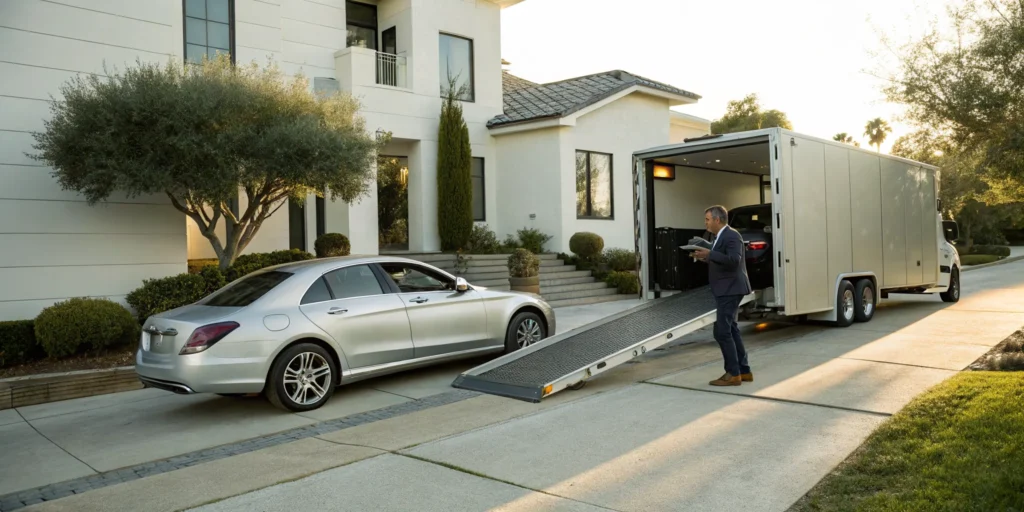
Handing your car keys over to a transport company requires a lot of trust. You need to know your vehicle is safe from the moment it leaves until it arrives. This is the core promise of door-to-door car shipping. By minimizing how often your car is handled and letting you meet the driver in person, this service offers incredible peace of mind. You get to oversee the loading process and sign off on your car’s condition yourself. Here, we’ll break down exactly how this personalized approach reduces risk and helps you feel confident throughout the entire journey.
Contact Us
Key Takeaways
- Convenience is the Main Benefit: Door-to-door service saves you time by bringing the truck directly to you, eliminating trips to a shipping terminal. It also means less handling for your car, which significantly reduces the risk of damage.
- Set Realistic Expectations: This personalized service often costs more than terminal shipping. You should also be ready to meet the driver at a nearby accessible spot, like a large parking lot, if your street is too narrow for the transport truck.
- Preparation Ensures a Smooth Handoff: Your role is crucial for a successful shipment. Start by selecting a reliable company with verified credentials, then prepare your car by cleaning it, removing all personal items, and completing the vehicle inspection report with the driver.
What Is Door-to-Door Car Shipping?
If you’ve ever pictured a truck arriving at your home to whisk your car away to its new destination, you’re thinking of door-to-door car shipping. It’s exactly what it sounds like: the most convenient way to transport a vehicle. A carrier picks up your car from a location you choose, like your driveway, and delivers it directly to the address you provide at the other end. This method removes the hassle of you having to drop off or retrieve your vehicle from a distant depot.
The entire process is designed for your convenience. Instead of coordinating multiple trips to a storage facility, you simply prepare your car and wait for the driver to arrive. This streamlined approach is why it’s the most popular choice for people moving, buying a car online, or sending a vehicle to a family member. It simplifies the logistics, letting you focus on the other parts of your move or purchase. At Roadrunner, our entire process is built around this seamless experience, ensuring your car gets where it needs to go with minimal effort on your part.
How Pickup and Delivery Actually Works
With door-to-door service, you set the pickup and delivery locations. Ideally, the transport truck will pull up right in front of your house. You’ll meet the driver, go over the vehicle inspection report, and watch as they load your car. The same straightforward process happens at the destination. However, it’s good to remember that car carriers are massive trucks. If you live on a narrow street, have low-hanging trees, or are in a neighborhood with tight turns, the driver might not be able to get directly to your door. In these cases, they will coordinate with you to meet at a safe and accessible nearby location, like a school parking lot or a wider street just around the corner.
Door-to-Door vs. Terminal: What’s the Real Difference?
The main alternative to door-to-door shipping is terminal-to-terminal service. With this option, you drop your car off at a designated regional storage facility, or terminal. The carrier then transports it to another terminal near your destination, where you have to go pick it up. While this can sometimes be a slightly cheaper option, it requires more work and planning from you. Door-to-door is often considered a safer and more secure method because it minimizes the handling of your vehicle. You get to meet the driver in person and oversee the loading and unloading, which provides valuable peace of mind. It eliminates the risks associated with leaving your car at a storage lot for an extended period.
How Much Does Door-to-Door Car Shipping Cost?
Figuring out the cost of door-to-door car shipping isn’t like looking at a price tag in a store. There isn’t one single answer, because every shipment is unique. The final price on your quote depends on a handful of key details about your vehicle and your move. A trustworthy shipping partner will give you a clear, all-inclusive price, so you know exactly what you’re paying for from the start. Understanding the factors that go into your quote will help you budget properly and choose the right service for your needs.
What Factors Affect Your Shipping Price?
Several key factors come together to determine your final shipping cost. The most obvious one is distance; shipping a car across the country will naturally cost more than moving it a few states over. The size and type of your vehicle also play a big role. A standard sedan is easier and cheaper to transport than a large SUV or a heavy-duty truck that takes up more space on the carrier. You’ll also choose between different transport services like open or enclosed shipping. Open transport is the more common and affordable option, while enclosed shipping provides extra protection for classic, luxury, or high-value cars at a higher price. Finally, the time of year can influence rates, as demand for shipping often increases during peak moving seasons.
Distance and Route
It makes sense that the farther your car needs to travel, the more the shipment will cost. Moving a vehicle from Miami to Jacksonville is a much shorter trip than shipping it from Miami to Seattle, so the price will reflect that. But it’s not just about the miles. The specific route also matters. Transporting a car along a major, high-traffic interstate is often more cost-effective than sending it to a remote, rural town. Carriers plan their routes for maximum efficiency, so if your location requires a significant detour, it can add to the overall cost. Think of it like a road trip—the main highways are the quickest path, and any side trips add time and fuel.
Transport Type: Open vs. Enclosed
You have two main choices for how your car travels: on an open carrier or in an enclosed one. Open transport is the standard method you see on highways—those two-level carriers hauling multiple cars. It’s the most common and affordable option because the cost is split among more vehicles. Your car is exposed to the elements, just like it would be if you were driving it. For extra protection, especially for a luxury, classic, or brand-new car, you can choose enclosed shipping. This service costs more but places your vehicle inside a covered trailer, shielding it from weather and road debris. The right transport service for you depends on your vehicle’s value and your personal preference.
Seasonal Demand
Believe it or not, the time of year plays a big part in car shipping prices. Summer is peak moving season, which means more people are shipping their cars, and demand for carriers is high. The same goes for “snowbird” season in the fall and spring, when retirees head south for the winter and back north for the summer. During these busy times, prices tend to rise. If you have a flexible timeline, you can often find better rates by booking your shipment during the off-season, such as in the late fall or winter (outside of the holidays). Planning ahead can help you avoid the rush and potentially save some money.
Vehicle Condition and Size
The dimensions and condition of your vehicle are crucial in determining the price. A standard sedan takes up less room and weighs less than a large SUV, a lifted truck, or a passenger van. Because carriers have strict weight limits and a finite amount of space, larger and heavier vehicles cost more to ship. The vehicle’s condition is another factor. If your car is inoperable and cannot be driven onto the carrier, it will require a winch and special handling. This extra labor and equipment will add to your final cost, so be sure to let your shipping company know upfront if your car doesn’t run.
Pickup and Delivery Locations
The accessibility of your pickup and delivery addresses can influence your shipping experience. While the goal is always true door-to-door service, the massive size of a car carrier can make that tricky in some residential areas. If your street is narrow, has low-hanging tree branches, or is part of a community with restrictions on large trucks, the driver may not be able to get directly to your home. In these situations, the driver will work with you to find a safe and convenient nearby meeting spot, like a large parking lot. This flexibility ensures the pickup and delivery process is smooth and safe for everyone involved.
Breaking Down Costs and Watching for Hidden Fees
While prices vary, you can generally expect domestic door-to-door car shipping to cost anywhere from $500 to over $1,500. Your specific quote will reflect the factors we just covered. One of the most important things to look for is an all-inclusive price. This means the quote you receive covers everything: taxes, tolls, fuel, and insurance, with no surprise charges later on. Some companies might lure you in with a low initial price, only to add extra fees down the road. A transparent shipping process ensures you know the full cost upfront. This direct approach also means you can often meet the carrier personally, giving you peace of mind as you watch your car get loaded safely.
Understanding the Payment Process
Once you receive your quote and are ready to book, it helps to know how the payment works. Reputable car shipping companies follow a straightforward, two-step process. You’ll typically pay a small deposit to secure your spot on the carrier, and the remaining balance isn’t due until your vehicle is delivered safely. This payment structure is designed for your security, ensuring you don’t pay the full amount until the job is complete. Be cautious of any company that demands the entire payment upfront, as this is not standard practice. A transparent partner will always outline these terms from the beginning, so there are no surprises. If you have more questions about payment options, our FAQs page is a great resource.
Car Shipping Pricing Myths, Busted
It’s tempting to jump on the lowest quote you can find, but this is one of the biggest pitfalls in car shipping. An unusually low price can be a major red flag. These offers often come from lead generation sites or brokers that pass your job to the lowest-bidding independent driver. This can result in significant delays, poor communication, and a lack of accountability if something goes wrong. It’s crucial to work with a reputable company that manages its own network of carriers. By focusing on reliability and clear communication, you can avoid the stress that comes with a “too good to be true” deal and ensure your vehicle arrives safely and on schedule.
How to Save Money on Car Shipping
While door-to-door shipping offers incredible convenience, it’s natural to want the best possible price without compromising on quality. The good news is that you don’t have to choose between reliable service and a reasonable rate. The key is to be a proactive and informed customer. With a little bit of planning and some savvy timing, you can find ways to save on your vehicle transport without cutting corners on safety or communication. It’s all about understanding what influences the price and using that knowledge to your advantage. Here are a couple of straightforward strategies to help you keep costs down while ensuring your car is in great hands.
Book During the Off-Season
Think of car shipping like booking a flight—prices can change based on the time of year. The busiest season for vehicle transport is typically during the summer months when more people are moving, and around major holidays. During these peak times, demand is high, which can drive up the cost. If your timeline is flexible, one of the most effective ways to save money is to schedule your shipment during the off-season. Booking in the fall or winter (avoiding the holiday rush) often means you’ll find more competitive pricing as carriers have more availability. A little bit of forward planning can make a significant difference in your final shipping quote.
Ask About Available Discounts
It never hurts to ask! Many reputable shipping companies offer discounts that you might not know about unless you inquire directly. When you’re getting a quote, make it a point to ask the customer service representative if there are any promotions available. Some companies provide discounts for first-time customers, military personnel, students, or seniors. Others might run seasonal promotions during slower periods to attract more business. Don’t be shy about exploring your options. A trustworthy partner, like us at Roadrunner, is focused on providing great service and will be transparent about any available savings. You can always reach out to our team to discuss your specific situation and see how we can help.
Why Choose Door-to-Door Car Shipping?
Choosing a shipping method for your vehicle often comes down to balancing convenience, cost, and peace of mind. Door-to-door shipping stands out as the premier choice for many because it simplifies the entire experience. Instead of you having to work around the logistics of a transport company, the service works around your schedule and location. This approach is designed to remove the typical hassles associated with moving a car, like dropping it off at a distant terminal or arranging for a ride after pickup.
The core appeal of door-to-door service is that a carrier comes directly to you. They pick up your vehicle from your home, office, or another location you specify and deliver it straight to your destination address. This direct line of transport not only saves you time but also adds layers of security and personalization to the process. You avoid the extra steps and potential stress of terminal-based shipping, where your car might be stored for days before it even begins its journey. With door-to-door, you get a clear line of communication and a more predictable timeline, which is invaluable when you’re coordinating a move or planning a trip. Let’s look at the specific advantages that make this method so popular.
The Biggest Perk: Convenience and Time Savings
The most significant benefit of door-to-door shipping is the sheer convenience. The process is straightforward: you schedule a pickup, and the transport truck comes to you. This completely eliminates the need to drive your car to a designated terminal, which could be miles away. You won’t have to worry about finding a ride home from the drop-off point or coordinating with someone to pick you up.
This service saves you valuable time and energy that would otherwise be spent on travel and waiting. Once your car is loaded onto the carrier, your job is done until it arrives at its destination. You can focus on your move or your trip, knowing the logistics of your vehicle transport are handled from start to finish. It’s the most hands-off and stress-free way to ship a car.
A Safer Journey for Your Vehicle
When your car is shipped via a terminal, it often gets loaded, unloaded, and stored before being placed on the final long-haul truck. Every time the vehicle is moved, there’s a small but real risk of accidental dings, scratches, or other damage. Door-to-door service minimizes this risk because your car is typically loaded onto one truck and stays there until it reaches your destination.
Fewer touchpoints mean less handling and a safer journey for your vehicle. You also get to oversee the loading and unloading yourself. Being present allows you to speak directly with the driver, point out any existing quirks of your car, and watch as it’s secured for transport. This personal oversight provides invaluable peace of mind, ensuring your car is in good hands from the moment it leaves your sight.
Get Personalized Service and Flexible Scheduling
Door-to-door shipping offers a level of personalization that other methods can’t match. You get to choose the exact pickup and delivery locations, providing a service that is truly tailored to your needs. While a large transport truck may not be able to navigate every residential street, the driver will work with you to find a safe and accessible nearby meeting point, like a large parking lot or a main road.
This flexibility is a major advantage over terminal shipping, which operates on a fixed schedule and from a set location. With door-to-door service, you have more direct communication with the carrier and a clearer timeline for your vehicle’s journey. This direct line of contact makes it easier to coordinate your plans and ensures a smoother, more predictable shipping experience.
The Benefit of Real-Time Tracking
Once your car is on the truck, it’s natural to wonder where it is and how the journey is going. This is where real-time tracking becomes your best friend. Many top-tier shipping companies provide a way for you to monitor your vehicle’s progress from pickup to delivery. Through a website or an app, you can see your car’s location and get updates throughout its trip. This transparency takes the guesswork out of the equation, giving you confidence and peace of mind. You’re no longer just waiting for a phone call; you have direct visibility into the entire shipping process, allowing you to plan for its arrival with certainty.
The Environmental Aspect of Professional Shipping
You might think that driving your car to its new home is the greener option, but professional auto transport is often more environmentally friendly. Think about it: a single carrier truck can move up to ten vehicles at once. Instead of ten separate cars making long-distance trips, burning fuel and creating emissions along the way, one truck handles the entire load. This consolidation is incredibly efficient. Professional shippers are experts at logistics, planning routes that maximize fuel economy and fill every available spot on the carrier. By choosing to ship your car, you’re helping to reduce the total number of vehicles on the road, which in turn lowers overall carbon emissions and contributes to a smaller collective environmental footprint.
Are There Any Downsides to Door-to-Door Service?
Door-to-door shipping is an incredibly convenient way to move your car, but it’s smart to know about the potential hiccups before you book. While the benefits often outweigh the drawbacks, being aware of the cost, logistics, and timing can help you set realistic expectations. A great shipping company will be upfront about these challenges and have clear plans for handling them. Understanding these factors ensures you have a smooth experience from start to finish.
Why It Might Cost a Little More
The biggest trade-off for the convenience of door-to-door service is usually the price. This premium service often costs more than terminal-to-terminal shipping, where you drop off and pick up your car at a designated hub. The extra cost covers the specialized local transport needed for a driver to get a large truck into a residential area. You’re paying for the luxury of not having to arrange transport to and from a terminal, which saves you time and hassle. Think of it as the difference between a standard delivery and a white-glove service; that personalized attention comes with a higher price tag.
Dealing with Tight Streets and Access Issues
One of the most common logistical hurdles is physical access to your home. The large carriers used to transport vehicles can’t always safely drive down every residential street. Things like narrow roads, low-hanging tree branches, tight turns, or even local regulations can prevent the truck from reaching your exact address. In these situations, the driver will work with you to find a safe and convenient meeting point nearby, like a large parking lot at a school, shopping center, or park. This ensures your vehicle can be loaded or unloaded without risk. A good shipping process always includes clear communication about the pickup location.
Handling Potential Scheduling Delays
Just like any service that relies on roads and traffic, auto transport can experience scheduling delays. While drivers do their best to stick to the estimated pickup and delivery windows, factors like weather, traffic jams, and other customers’ schedules can cause things to shift. Some customers have noted that pickups and drop-offs are not always precisely on time. It’s also worth noting that opting for the absolute cheapest service can sometimes lead to more significant delays and poor communication. Choosing a reliable provider known for excellent customer care can make a huge difference in managing expectations and staying informed if the schedule changes.
How to Choose a Reliable Door-to-Door Shipping Company
Picking a company to ship your car is a big decision. You’re trusting them with a valuable asset, so you want to be sure you’re making the right choice. It’s about more than just finding the lowest price; it’s about finding a partner you can count on for safe, reliable transport and clear communication. To help you make a confident decision, let’s walk through a few key steps. By understanding who you’re hiring, verifying their qualifications, and learning from the experiences of other customers, you can find a shipping company that gives you total peace of mind.
Broker vs. Carrier: What’s the Difference?
When you start looking for a car shipping company, you’ll quickly find there are two main types: brokers and carriers. A carrier is the company that owns the trucks and employs the drivers who will physically move your vehicle. A broker, on the other hand, acts as a middleman, connecting you with a carrier from their network. While brokers can be helpful, it’s important to know that they don’t handle the shipping themselves. This can sometimes lead to communication gaps or issues if they don’t have a strong network of dependable drivers. Choosing a company that is a direct carrier often means more accountability and a single point of contact throughout the process.
Understanding the Marketplace Model
Beyond the simple broker vs. carrier debate, there’s a more modern approach: the marketplace model. This is how many of the most reliable companies, including Roadrunner, operate. A marketplace company acts as your single point of contact but manages a carefully vetted network of carriers they trust. Instead of just finding the cheapest available driver, they match your shipment with a professional who meets their high standards for safety and service. This hybrid model gives you the best of both worlds: the wide coverage of a large network and the accountability of a single, dedicated partner. It’s a system built on trust, ensuring that the driver who arrives at your door is one you can count on. This is central to how we ensure quality and customer satisfaction on every shipment.
How to Verify a Company’s Credentials and Insurance
Before you sign any contract, take a moment to do your homework. A legitimate auto transport company must be properly licensed and insured, and this is a crucial step in protecting your vehicle. Ask the company for their Motor Carrier (MC) number and U.S. Department of Transportation (DOT) number. You can use these to look them up in the Federal Motor Carrier Safety Administration (FMCSA) database to confirm their operating status and safety record. Also, don’t hesitate to ask for a copy of their insurance certificate. This simple verification ensures your car is covered during transit and confirms you’re working with a reputable, professional company that takes its responsibilities seriously.
Checking for Federal and State Compliance
This is a critical step you should never skip. Every legitimate auto transport company must be registered with the U.S. Department of Transportation. Ask for the company’s DOT and Motor Carrier (MC) numbers. These aren’t just for show; they are your key to verifying their legitimacy. You can use these numbers to check a company’s profile in the Federal Motor Carrier Safety Administration (FMCSA) database. This official record will show you their operating status, safety rating, and whether they are authorized for interstate transport. It’s a quick and easy way to confirm you’re dealing with a professional and legally compliant business, not a fly-by-night operation.
Looking for Experience and a Strong Network
Beyond the paperwork, you want a company with a proven track record. An experienced provider has seen it all and knows how to handle the unexpected, from navigating tricky routes to managing schedules effectively. This is where the quality of a company’s network comes into play. Some companies are direct carriers with their own trucks, while others are brokers that connect you to drivers. A reputable company, whether a carrier or a broker, will have a strong, vetted network of reliable drivers. This ensures consistent communication and accountability. Choosing a company known for its dependable service and customer care means you’re not just a number, but a valued client whose vehicle will be handled professionally from start to finish.
Using Customer Reviews to Find a Great Shipper
Customer reviews offer a real-world look at what you can expect from a shipping company. When you read through them, look for patterns and specific details. Do customers frequently mention that their vehicles arrived on time or even earlier than expected? That’s a great sign of an efficient operation. Pay attention to comments about communication and customer service, especially how the company handled any unexpected issues. Testimonials where customers say they would happily use the service again or recommend it to others are particularly valuable. These reviews often reflect a company’s genuine commitment to customer satisfaction and can help you find a truly quality shipper.
How to Prepare Your Vehicle for Pickup
Once you’ve booked your shipment, a little preparation goes a long way toward ensuring a smooth pickup. Taking a few simple steps before the carrier arrives protects your vehicle and helps the driver get on the road quickly. Think of it as getting your car ready for its own little road trip. Following this checklist will make the entire vehicle shipping process feel seamless from start to finish.
Your Pre-Shipment Checklist: Inspection and Paperwork
First, give your car a good wash. A clean vehicle makes it much easier for you and the driver to spot any existing scratches, dings, or dents during the pre-trip inspection. While you’re at it, do a quick check for any fluid leaks and make sure your gas tank is about a quarter full. This is enough fuel for the driver to load and unload your car without adding unnecessary weight. Finally, snap a few photos of your car from all angles. Having your own dated pictures provides a personal record of your vehicle’s condition before it leaves your care.
Exterior and Mechanical Checks
Before the driver arrives, take a few minutes to perform some basic mechanical checks. Top off essential fluids like oil and coolant, and make sure your tire pressure is at the recommended level. It’s also important to confirm your brakes are working properly, as this is critical for safely loading your car onto the transport truck. While you’re at it, give the battery a quick check to ensure it has a good charge. These simple steps prevent any last-minute surprises and help the driver with a smooth and efficient pickup. For more detailed guidance, you can always review our frequently asked questions about vehicle preparation.
Why You Should Remove All Personal Items
It’s essential to remove all personal belongings from your vehicle before the driver arrives. This includes everything from phone chargers and sunglasses to gym bags in the trunk. Carrier insurance doesn’t cover personal items left inside the car, so clearing them out prevents any risk of loss or damage. You should also disable any alarms or provide clear instructions for the driver on how to turn them off. Lastly, make sure to leave a set of keys for the driver. They will need them to safely load and unload your vehicle from the transport truck.
What if You Need to Ship Items in Your Car?
It’s a common question: can you pack your car with personal belongings to save on moving costs? While it seems like a clever way to consolidate, it’s important to know the rules. Many carriers allow you to include a small number of personal items, typically weighing up to 100 pounds. However, there’s a big catch: these items are not insured. As our own preparation guidelines explain, carrier insurance doesn’t cover personal belongings left inside the car, so removing them is the only way to prevent any risk of loss or damage. Plus, adding too much weight can actually increase your shipping price. The safest bet is to ship your car empty. If you absolutely must include a few things, keep them well under the weight limit and understand that you’re doing so at your own risk.
Decoding the Vehicle Condition Report
When the driver arrives, they will conduct a walk-around inspection of your vehicle with you. Together, you’ll note any existing damage on a document called the Vehicle Condition Report, or Bill of Lading. This report is incredibly important as it serves as the official record of your car’s condition at pickup. Be sure to review it carefully before signing. This document is also tied to the transport insurance, so an accurate report is your best protection. Don’t be afraid to ask the driver questions if anything is unclear.
Registering Your Car in a New State
Once your car has safely arrived at your new home, the final step is to get it registered. This part can feel a bit like untangling red tape, but it’s totally manageable with a little prep. Every state has its own set of rules, so your first move should be to check the website for your new state’s Department of Motor Vehicles (DMV). You typically have about 30 to 90 days to complete the process, and you’ll need to gather some key documents. Be prepared to show your driver’s license, the vehicle’s title, proof of your new residency (like a utility bill), and proof of insurance that meets the state’s minimums. Getting this done promptly helps you avoid any late fees and makes your move official.
How Long Does Door-to-Door Shipping Take?
One of the first questions on everyone’s mind is, “When will my car get here?” While there’s no single answer, understanding the factors at play can help you set realistic expectations. The total transit time for door-to-door shipping depends heavily on the distance your vehicle needs to travel, along with a few other logistical variables.
A professional shipping company will always provide you with an estimated delivery window, which is typically a range of a few days. This accounts for the realities of the road. The journey begins once a carrier is assigned and your vehicle is picked up. From there, the clock starts on getting your car safely to its new home. Let’s break down what you can generally expect for different distances and what might cause a change in plans.
Estimated Delivery Times by Distance
The most significant factor in your car’s delivery timeline is the mileage. As you might guess, a cross-country trip will take quite a bit longer than a move to a neighboring state. While every route is unique, you can use these general estimates as a starting point. Shipping a car within the US typically takes anywhere from a few days to two weeks.
For shorter, regional moves of a few hundred miles, you can often expect your car to arrive in just 1 to 3 days. A longer trip, like from the Midwest to one of the coasts, usually takes about 5 to 8 days. For a full cross-country transport, it’s best to plan for a 7 to 14-day window. Remember, these timelines include the entire shipping process, from pickup to drop-off.
From Booking to Pickup
After you finalize the details and book your shipment, the logistics kick into gear. It’s important to know that a driver isn’t dispatched the moment you hang up the phone. The time between booking and pickup, typically ranging from one to five days, is when your shipping partner finds the right carrier for your specific route. This step is crucial for ensuring a reliable driver is assigned to your vehicle. Once a carrier is confirmed, they will contact you directly to coordinate a specific pickup date and a more precise time window. This is when the convenience of door-to-door service really shines. You’ll meet the driver, complete the vehicle inspection together, and watch as your car is carefully loaded for its journey.
Cross-Country vs. Regional Transit Times
The difference in transit times between regional and cross-country routes comes down to logistics. A regional shipment is often more direct, with the carrier making fewer stops along the way. For a cross-country journey, the driver is typically managing a full load of vehicles, each with its own pickup and delivery point. This means the route involves multiple stops, which naturally extends the timeline. Additionally, drivers must adhere to strict federal regulations that limit their daily driving hours to ensure safety on the road. These mandatory rest periods are factored into the overall delivery window for long-haul trips, which is why a coast-to-coast shipment can take up to two weeks.
What Can Cause Shipping Delays?
Even with the most careful planning, delays can happen. The most reliable transport companies build buffer time into their schedules, but some things are simply out of a driver’s control. Severe weather, such as snowstorms or hurricanes, is a common reason for delays, as drivers must prioritize safety. Unexpected road closures, major traffic jams, or mechanical issues with the transport truck can also impact the timeline.
Another factor is route logistics. Your car is usually on a large carrier with several other vehicles, and the driver has a multi-stop route to complete. Delays at one pickup or drop-off can have a small ripple effect on the rest of the schedule. This is especially true for services that use middlemen to find drivers, which can lead to communication issues. Finally, keep in mind that access for large trucks can be tricky in some residential areas, which might require coordinating a nearby meeting point and slightly adjusting the final delivery time.
What to Do When Your Car Arrives
The moment the transport truck pulls up with your car is exciting. After days of waiting, your vehicle is finally home. But before you grab the keys and take it for a spin, there’s one last important step: the delivery inspection. This final check is your opportunity to confirm that your car has arrived in the same condition it left. Taking a few minutes to do this thoroughly provides the final piece of peace of mind. It ensures the entire shipping journey ends on a positive note and protects you in the unlikely event that any issues occurred during transit. This step is a standard part of any professional shipping process and is designed to ensure complete transparency and satisfaction for everyone involved.
The Post-Delivery Inspection Process
When the driver unloads your car, they will have the Bill of Lading—the same document you signed at pickup—ready for you. This is your chance to perform a final walk-around inspection with the driver. Take your time and compare the vehicle’s current condition to the notes made on the report before it was loaded. Check the roof, bumpers, and side panels. It’s best to do this in good lighting if possible. The driver expects this and will walk with you. This isn’t about being distrustful; it’s simply the final step in a professional transaction, ensuring that the service was completed as promised and that your vehicle is in the condition you expect.
Documenting Potential Damage
In the rare case that you spot a new scratch or dent that wasn’t noted on the initial report, it’s crucial to document it right away. Point it out to the driver and make sure it is clearly noted on the final Bill of Lading before you sign it. Use your phone to take clear pictures of the area in question, with the driver present if possible. Signing the report without noting any new damage is the same as saying the car arrived in perfect condition, which can make it difficult to file a claim later. Reputable companies have clear procedures for this, so don’t hesitate to ask the driver about the next steps or consult the company’s FAQ page for information on insurance claims.
Exploring Other Shipping Options
While door-to-door service is the most popular and convenient method for shipping a car, it’s helpful to know about the other options you might come across. Understanding the full spectrum of services available can help you confirm that you’re making the best choice for your specific situation. Some alternatives might seem cheaper at first glance, but they often come with trade-offs in convenience, safety, or added mileage on your vehicle. Knowing the pros and cons of each method allows you to weigh your priorities and select a service that aligns with your needs for security, timing, and peace of mind. Let’s look at a few of these alternatives.
Drive-Away Services
A drive-away service is exactly what it sounds like: you hire someone to physically drive your car from point A to point B. This can sometimes be a more budget-friendly option than professional transport, especially for shorter distances. However, it comes with significant drawbacks. This method adds direct mileage to your vehicle, along with the associated wear and tear on your tires, engine, and other components. You’re also placing your car in the hands of a single driver, which introduces risks related to driving habits and potential accidents on the road. While it can work for some, it lacks the security and protection offered by a professional auto carrier.
Single-Car and Container Shipping
For those with classic, exotic, or high-value vehicles, single-car haulers or container shipping offer an increased level of protection. Unlike a standard open carrier that holds multiple cars, these methods secure your vehicle on its own. Container shipping involves loading your car inside a fully enclosed container, which is then transported by truck or train. This provides maximum protection from weather and road debris. While these are excellent options for safeguarding a valuable investment, they are significantly more expensive than standard door-to-door transport and are often reserved for vehicles that require the highest level of security.
Shipping for RVs, Boats, and Heavy Equipment
Transporting oversized vehicles like RVs, boats, or heavy construction equipment requires a completely different set of tools and expertise. These jobs can’t be handled by a standard car carrier. Instead, they require specialized flatbed trucks, lowboy trailers, and drivers with experience in securing and hauling large, unconventional loads. When you need to move something other than a car, it’s essential to find a company that specializes in that specific type of transport. You’ll want to ensure they have the right equipment and experience to handle your vehicle safely and legally, as regulations for oversized loads can be complex.
Red Flags to Watch For in Door-to-Door Shipping
Door-to-door shipping is incredibly convenient, but it helps to know about a few potential bumps in the road before you book. Being aware of these common issues isn’t about expecting the worst; it’s about preparing for a smooth, stress-free experience. When you know what to look for, you can ask the right questions and choose a company that has clear processes for handling these situations. From communication hiccups to tricky drop-off locations, a little preparation goes a long way in ensuring your vehicle arrives safely and on schedule.
Avoiding Communication Gaps with Your Shipper
Clear and consistent communication is the backbone of a great shipping experience. However, some customers find that updates can be sparse, especially when a company relies on third-party contractors instead of its own drivers. You might find yourself wondering where your car is or when exactly the driver will arrive. A reliable company will provide regular updates and a direct point of contact. Don’t hesitate to ask a potential shipper about their communication process and how they keep you in the loop from pickup to delivery. This simple step can save you a lot of stress.
What Happens When the Truck Can’t Reach Your Door?
Sometimes, “door-to-door” means “as close as legally and safely possible.” The large trucks used for vehicle transport can’t always get into tight residential streets or areas with low-hanging trees and sharp turns. Local regulations can also restrict where these big rigs are allowed to go. If this happens, your driver will contact you to arrange a meeting at a nearby, easily accessible location, like a large parking lot. It’s a good idea to mention any potential access issues at your address when you book your shipment so you and the company can plan accordingly.
Understanding Damage Risks and Your Insurance
While reputable shippers handle vehicles with extreme care, the risk of damage during transit is a valid concern. Scuffs or dings can happen, which is why insurance is so important. Every legitimate auto transporter must carry insurance, but the coverage details can vary. Before you commit, ask for proof of insurance and take a moment to understand what the policy covers. Be sure to complete a thorough vehicle inspection with the driver before and after transport, noting any existing damage on the Bill of Lading. This document is crucial if you need to make a claim.
Is Door-to-Door Car Shipping Right for You?
Deciding between shipping options comes down to what you value most: convenience, cost, or a little of both. Door-to-door service is the gold standard for ease, but terminal shipping has its own advantages, especially for your wallet. Think about your schedule, budget, and how hands-on you want to be with the process. Understanding the key differences will help you choose the right service for your move and give you confidence that your car will arrive safely and on your terms.
When Door-to-Door Service Makes Perfect Sense
If you want the most straightforward, hassle-free experience, door-to-door service is for you. This option is the definition of convenience. A carrier picks up your vehicle directly from your home, office, or another location you choose and delivers it right to your destination. You don’t have to worry about dropping it off or retrieving it from a storage lot. This service is perfect if you have a tight schedule or are coordinating a complex move. It also provides extra peace of mind, as you can personally meet the driver and oversee the loading process, reducing the number of times your car is handled. For anyone shipping a valuable vehicle or simply wanting to minimize stress, our customized shipping solutions make this an easy choice.
When to Consider Terminal Shipping Instead
Terminal-to-terminal shipping can be a great fit if you’re looking to save some money and have a more flexible schedule. With this method, you drop your car off at a designated regional terminal, and the carrier transports it to another terminal near your destination for you to pick up. Because this approach is more efficient for carriers, the savings are passed on to you. This option works well if you live near a terminal and don’t mind the extra driving. It can also be a practical solution if your neighborhood has narrow streets or restrictions that prevent a large transport truck from reaching your front door. You can find answers to common logistical questions on our FAQ page to see if this might apply to you.
Potential Downsides of Terminal Shipping
While the lower cost is appealing, terminal shipping comes with a few trade-offs you should consider. The biggest one is the extra work required from you. You’ll need to arrange your schedule to drop off your car at one terminal and then pick it up from another, which adds extra driving and planning to your plate. More importantly, this method involves more handling of your vehicle. Your car may be loaded and unloaded multiple times at the storage facility, and each move introduces a small but real risk of accidental dings or scratches. The entire shipping process can also take longer, as your car might sit at the terminal waiting for a full truck heading in the right direction, giving you less personal oversight and a less predictable timeline.
Related Articles
- How Much Does It Cost to Ship a Car? (Price Guide)
- The Cheapest Way to Ship a Car: A Complete Guide
- How Do You Ship a Car? A Step-by-Step Guide – Road Runner Vehicle Transports
- Ship a Car to Another State: The Ultimate Guide
- Open Transport Car Shipping: A Complete Guide
Contact Us
Frequently Asked Questions
What happens if the transport truck can’t fit on my street? This is a very common situation, so don’t worry. The large carriers used for shipping need a lot of room to maneuver safely. If your street is too narrow or has low-hanging trees, the driver will simply coordinate with you to meet at a safe and accessible location nearby. This is often a large, open parking lot, like one at a local shopping center or school, where they can easily load or unload your vehicle without any risk.
Is my vehicle insured while it’s being shipped? Yes, all legitimate and professional auto transport companies are required to carry insurance that covers your vehicle during transit. Before you book, you should always feel comfortable asking for a copy of their insurance certificate. The Vehicle Condition Report you sign at pickup is also a key part of this protection, as it documents the state of your car before the journey begins.
Do I have to be present for the pickup and delivery? It’s highly recommended that you or a trusted person you designate is present for both the pickup and delivery. You will need to hand over the keys, walk through the vehicle inspection with the driver, and sign the Bill of Lading. Being there in person ensures everything is documented correctly and gives you a chance to ask the driver any last-minute questions.
How far in advance should I schedule my car shipment? To get the best results, it’s a good idea to book your vehicle transport at least two to three weeks ahead of time. This gives the company ample time to schedule a carrier for your specific route. If you’re planning a move during a peak season, like summer, you might even consider booking a month in advance to secure your spot and avoid potential delays.
Why shouldn’t I just pick the cheapest quote I find? An unusually low quote can often be a red flag in the auto transport industry. These “too good to be true” prices sometimes come from companies that cut corners on service, which can lead to significant delays, poor communication, and a lack of accountability. It’s better to choose a reputable company that offers a fair, all-inclusive price and has a strong track record of reliable service.